When I first spotted that weathered brick fireplace at an estate sale three years ago, I knew I had found something special. Installing a vintage outdoor fireplace transformed my backyard from a simple patio space into a gathering spot filled with character and warmth. The patina of age, the sturdy craftsmanship, and the stories those old bricks seemed to whisper made me fall in love with outdoor living all over again.
Whether you’re considering restoring an existing vintage piece or hunting for one to call your own, I’ve learned so much through my experience, and I’m excited to share what worked, what didn’t, and why I believe these timeless features are worth every bit of effort.
Finding the Perfect Vintage Outdoor Fireplace
My search for the right vintage outdoor fireplace took me down countless rabbit holes, from online marketplaces to architectural salvage yards. I spent weekends driving to estate sales and browsing through reclamation centers, learning to spot quality construction beneath layers of soot and aging. The key was patience.
I passed on several pieces that looked gorgeous but had structural issues I couldn’t fix. When I finally found mine, a 1940s brick fireplace from a demolished estate, I knew it immediately. The mortar was intact, the firebox showed minimal cracking, and the proportions were perfect for my space.
I quickly learned that authentic vintage outdoor fireplaces come in various styles. Some feature ornate chimneys with decorative caps, while others showcase simple, functional designs that speak to their era’s aesthetic. Mine had a beautiful arched opening with hand-laid bricks in a pattern you don’t see in modern construction. I examined every joint, checked for stability, and even brought along a contractor friend to assess whether the piece could be safely relocated and reinstalled. His expertise saved me from making a costly mistake on a previous find that looked beautiful but was structurally compromised beyond repair.
The pricing varied wildly depending on condition, provenance, and location. I saw pieces ranging from a few hundred dollars for damaged units to several thousand for pristine examples with documented history. My fireplace fell somewhere in the middle, which felt right considering the restoration work I’d need to do. I negotiated the price down slightly after pointing out some repairs that would be necessary, and the seller even threw in the original iron grate, which had been stored separately. That grate alone would have cost me hundreds to replace with something comparable.

Preparing and Transporting Your Vintage Find
Moving my vintage outdoor fireplace was honestly more challenging than I anticipated. These structures are incredibly heavy, often weighing several hundred pounds or more, depending on their size and construction materials. I hired professional movers who specialized in architectural salvage because I didn’t want to risk damaging the piece or injuring myself. They used specialized equipment, including a flatbed truck and lifting straps designed for masonry work. Watching them carefully disassemble the chimney section and secure each piece was nerve-wracking, but their expertise was worth every penny.
Before the move, I spent time documenting everything. I took dozens of photos from every angle, measured each component, and even sketched out how the pieces fit together. This might seem excessive, but when it came time to reassemble everything in my backyard, those notes became invaluable. I also labeled each section with numbered tags, corresponding to my diagrams. Some vintage fireplaces can be moved intact if they’re small enough, but mine needed partial disassembly. The movers wrapped each brick section in protective padding and secured everything to prevent shifting during transport.
Back at my house, I had already prepared the site. I’d hired a contractor to pour a proper concrete foundation that could support the weight and meet local fire codes. This foundation extended well beyond the fireplace footprint and included proper drainage considerations. I learned that skipping this step would have been disastrous, as settling could crack the masonry over time. The foundation cured for two weeks before the fireplace arrived, giving me time to finalize placement and ensure I’d met all permit requirements. Yes, I needed permits, even for a vintage piece, because it was a permanent structure with an open flame.

Restoration: Bringing Old Beauty Back to Life
The restoration process became my weekend passion project for nearly two months. I started by carefully cleaning every surface, using gentle methods appropriate for aged materials. For the brick, I mixed a solution of water and mild detergent, scrubbing with natural bristle brushes to avoid damaging the surface. I avoided pressure washers, which many people recommended, because the force can erode old mortar and even damage softer bricks. Instead, I patiently worked section by section, revealing the original brick color beneath decades of soot and grime.
Repointing the mortar was the most technical part of my restoration. I researched period-appropriate mortar mixes because using modern Portland cement-based mortar on vintage bricks can cause damage. The original mortar was likely lime-based, softer and more flexible than contemporary materials. I found a mason who specialized in historic restoration, and he taught me how to carefully remove deteriorated mortar to a depth of about half an inch without damaging the bricks. We mixed a lime-based mortar that matched the original in color and consistency, then carefully filled each joint. This process couldn’t be rushed, as the mortar needed to cure slowly.
I also addressed the firebox, which had some cracking from years of use. After consulting with a chimney specialist, I applied a high-temperature mortar specifically designed for fireboxes. I replaced the old damper with a vintage piece I found that matched the era of my fireplace. The iron grate needed restoration too. I stripped off rust using a wire brush attachment on my drill, then sealed it with high-temperature paint designed for wood stoves. These details mattered to me because I wanted the fireplace to function safely while maintaining its authentic character. The finished result looked stunning, like stepping back in time while knowing everything was structurally sound.
Integrating Vintage Style into Modern Outdoor Spaces
One of my biggest concerns was whether a vintage outdoor fireplace would look out of place in my relatively modern backyard. I needn’t have worried. The contrast between old and new created visual interest that became the focal point of my entire outdoor space. I positioned the fireplace as the anchor of my patio area, building the rest of my design around it. The aged brick provided warmth and texture that complemented both contemporary furniture and more traditional pieces I already owned.
I chose to embrace the vintage aesthetic fully rather than trying to modernize the fireplace itself. Around it, I added reclaimed wood benches that echoed the aged quality of the bricks. I installed Edison bulb string lights overhead, which provided ambient lighting that felt both nostalgic and current. For the patio surface, I selected irregular flagstone rather than uniform pavers, creating a rustic foundation that made the fireplace feel like it had always been there. I planted climbing vines along a nearby trellis, allowing greenery to soften the transition between the old fireplace and my newer landscaping.
The key to successful integration was respecting the fireplace’s character while ensuring modern functionality. I had an electrician install subtle landscape lighting to highlight the fireplace structure at night, making it a beautiful feature even when not in use. I added a weathered wood mantel shelf that provided display space for lanterns and plants during warmer months. I kept decorative elements simple and timeless, vintage metal planters, old garden tools as accents, and comfortable seating that invited people to gather. The result feels collected over time rather than designed all at once, which is exactly the authentic, lived-in atmosphere I wanted to create.
Safety Considerations and Modern Updates
Safety became my top priority once the aesthetic work was complete. Even though I loved the authentic nature of my vintage outdoor fireplace, I wasn’t willing to compromise on modern safety standards. I had the entire structure inspected by a certified chimney sweep who specialized in outdoor fireplaces. He checked the flue, examined the firebox for cracks that could allow heat or sparks to escape, and ensured proper draft. Based on his recommendations, I made several important upgrades that didn’t compromise the vintage appearance.
I installed a spark arrestor cap on top of the chimney, which prevents embers from escaping and potentially causing fires. This was non-negotiable given that I have trees near my patio. The cap I chose had a vintage-inspired design that looked appropriate for the fireplace’s era while meeting current safety codes. I also added a fireproof hearth extension in front of the opening, using vintage-style tiles I found at a salvage yard. This protects my patio surface from popping embers and provides a safe zone around the fire. I keep a fire extinguisher mounted nearby in a decorative cabinet, so it’s accessible but not visually intrusive.
I educated myself thoroughly on proper fire-building techniques and what materials to burn. I only use seasoned hardwood, never treated lumber, trash, or anything that could release toxic fumes or excessive creosote. I had my chimney professionally cleaned before my first fire and now have it inspected annually. I also checked my homeowner’s insurance policy and informed my insurance company about the new structure. They required photos and documentation that it met local codes, which it did, thanks to my careful permitting process. These precautions give me peace of mind every time I light a fire, knowing I can enjoy my vintage fireplace safely.

Creating Memories Around the Fire
The first fire I lit in my restored vintage outdoor fireplace remains one of my favorite memories. I invited close friends over on a cool autumn evening, and we gathered around the crackling flames as the sun set. There was something magical about that moment, sitting around a fireplace that had warmed people decades before us, continuing its purpose in a new setting. The conversations that night went deeper than usual, something about fire that makes people reflective and connected. I’ve since hosted countless gatherings, from casual weeknight fires to special celebrations.
My vintage outdoor fireplace has become the heart of my outdoor entertaining. I’ve learned to plan gatherings around it, setting up comfortable seating in a semicircle that encourages conversation. I keep a basket of blankets nearby for chilly evenings, and I’ve perfected my technique for building fires that provide both warmth and ambiance. I’ve roasted marshmallows with my nieces and nephews, enjoyed quiet evenings reading by the fire, and celebrated milestones with friends and family. The fireplace has given me a reason to spend more time outdoors, even during cooler months when I might otherwise retreat inside.
Beyond the practical warmth, my vintage outdoor fireplace has added intangible value to my life. It’s sparked conversations with neighbors who stop to admire it, led to friendships with other vintage enthusiasts, and connected me to the history of my home and community. I think about the families who gathered around this same fireplace decades ago, and I feel like I’m honoring that legacy while creating new traditions. Every fire I light, every gathering I host, adds another chapter to this fireplace’s story. That sense of continuity and connection to the past enriches my daily life in ways I never expected when I first brought this weathered structure home.

How much does a vintage outdoor fireplace typically cost?
From my experience shopping around, vintage outdoor fireplaces can range dramatically in price. I’ve seen small, damaged pieces for as little as $300, while pristine examples with documented provenance can cost $5,000 or more. Mine cost about $1,800, plus another $2,500 for transportation, foundation work, and restoration. The real investment isn’t just the purchase price but also the work needed to make it safe and functional. Factor in permits, professional inspections, and any necessary repairs when budgeting. Despite the costs, I found it less expensive than building a custom outdoor fireplace from scratch while offering far more character.
Do I need special permits for installing a vintage outdoor fireplace?
Yes, in most areas you’ll need permits, just like you would for any permanent outdoor fireplace. I had to submit plans showing the fireplace location, foundation specifications, and clearances from structures and property lines. My local building department required an inspection before and after installation to ensure it met fire codes. Requirements vary by location, so check with your local building department before starting. Some areas have restrictions on outdoor fires or require specific setback distances. Getting proper permits protects you legally and ensures your insurance remains valid. The permit process took about three weeks for me, but it was straightforward once I had all the documentation.
How do I maintain a vintage outdoor fireplace?
I’ve developed a regular maintenance routine that keeps my fireplace in great condition. After each use, I let the ashes cool completely before removing them. I sweep out the firebox regularly and check for any new cracks or deteriorating mortar. Each spring, I do a thorough cleaning and inspection, looking for winter damage or water infiltration issues. I have the chimney professionally cleaned and inspected annually, which costs about $200 but prevents dangerous creosote buildup. I also apply a breathable masonry sealer every few years to protect the bricks from moisture while allowing them to breathe. During harsh weather, I cover the opening with a fitted cap to prevent water damage.
Can a vintage outdoor fireplace be used year-round?
I use mine from early fall through late spring, basically whenever the temperature drops enough to make a fire enjoyable. During summer, I leave it dormant but decorated with plants or candles in the firebox. The structure itself can remain outdoors year-round, as it’s designed to withstand weather, but I take some protective measures during extreme conditions. In winter, I make sure water can’t pool on top of the chimney or in the firebox, as freezing and thawing can damage masonry. I’ve used mine during light snow, which creates a particularly magical atmosphere. The key is keeping up with maintenance so moisture doesn’t compromise the structure during off-season.
What safety precautions should I take with a vintage outdoor fireplace?
Safety is paramount, and I never compromise on this. I always ensure there’s at least ten feet of clearance from any structures or overhanging branches. I installed a spark arrestor on the chimney and keep a fire extinguisher within easy reach. I never leave fires unattended and always ensure they’re completely extinguished before going inside. I only burn seasoned hardwood, nothing treated or painted that could release toxic fumes. I keep children and pets supervised around the fire and have established a safety perimeter that they understand. I also check weather conditions before lighting fires, avoiding extremely windy days when sparks could spread. These precautions let me enjoy my fireplace with confidence.
How long does a properly maintained vintage outdoor fireplace last?
With proper care, these structures can last indefinitely; that’s the beauty of quality vintage masonry. Many vintage fireplaces are already 50, 75, or even 100 years old and still functioning beautifully. Mine dates to the 1940s and should easily last another lifetime with the maintenance I’m providing. The key is addressing small issues before they become major problems, repointing mortar as needed, sealing cracks promptly, and protecting the structure from excessive moisture. I’ve seen examples of outdoor fireplaces from the early 1900s still in use today. The craftsmanship in these vintage pieces often surpasses modern construction, with better materials and techniques that have proven their durability over decades.

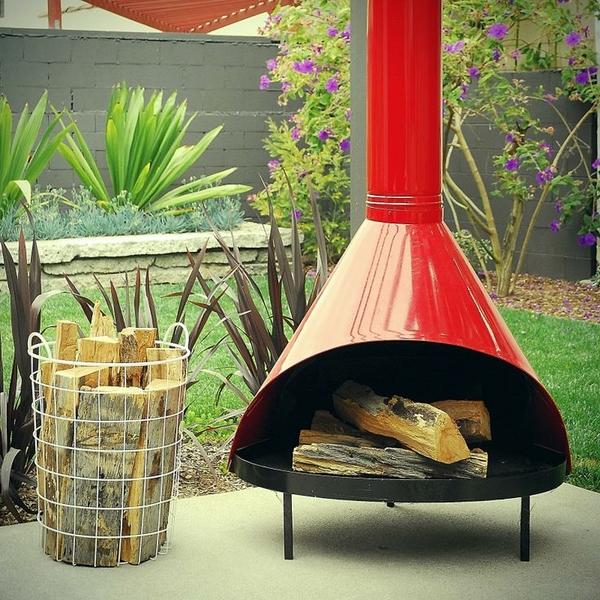
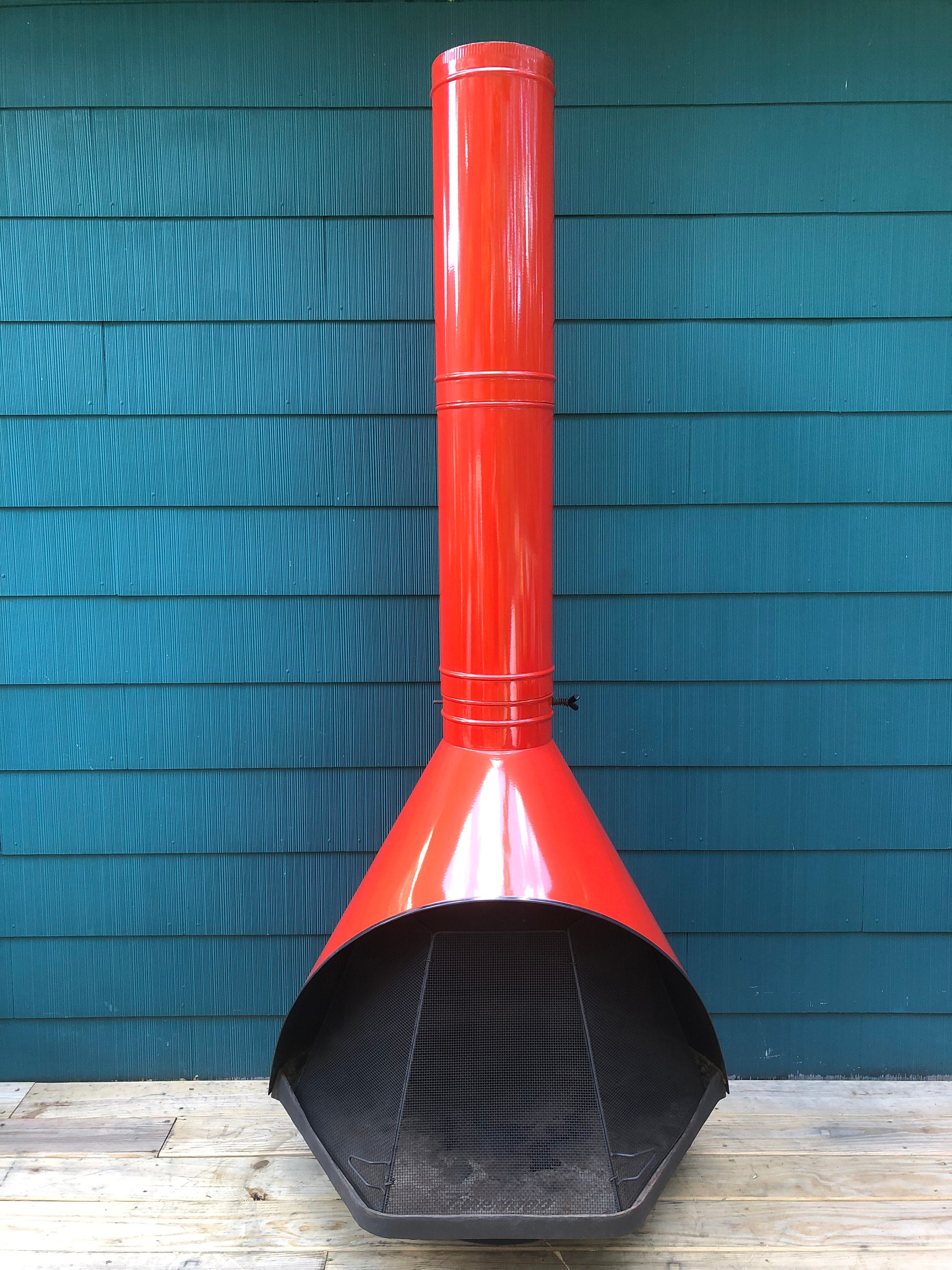
Buying a Vintage Cone Fireplace Outdoor fireplace, Vintage

ON HOLD Vintage FIREHOOD Mid Century Modern Freestanding
Related Posts: