When I moved into my Victorian-style home two years ago, the fireplace was beautiful, but the basic black mesh screen felt completely wrong for the soft, romantic aesthetic I was creating. I wanted something that would blend seamlessly with my vintage furniture, distressed finishes, and collection of chippy painted pieces. Finding the perfect shabby chic fireplace screen became a passionate quest that taught me so much about sourcing vintage pieces, DIY transformations, and creating that perfectly imperfect look. Let me share what I discovered about making a fireplace screen that’s both functional and beautifully romantic.
Hunting for Vintage Treasures
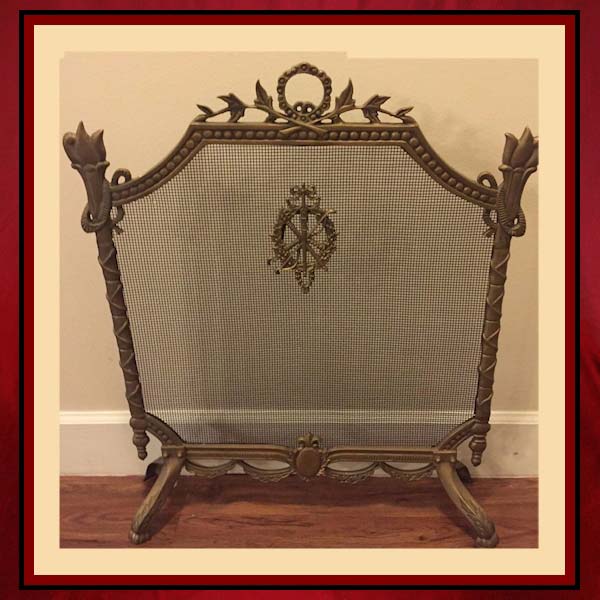
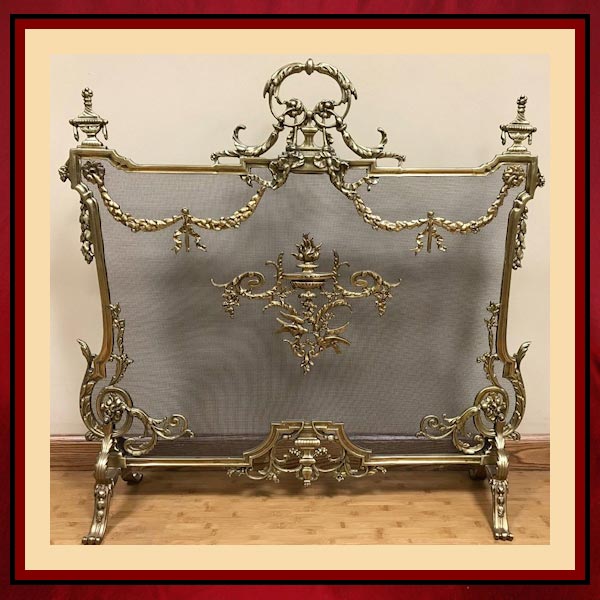
My search for the perfect shabby chic fireplace screen started at local antique shops and estate sales. I quickly learned that vintage fireplace screens from the 1920s through 1950s have exactly the ornate details and quality craftsmanship that shabby chic style celebrates. I found my screen at an estate sale, a brass three-panel screen with beautiful scrollwork that had been painted gold at some point and was looking tired and forgotten.
The hunting process itself became an adventure I genuinely enjoyed. I visited flea markets every weekend, scrolled through online marketplaces, and joined local vintage groups on social media. I passed on dozens of screens that were either too modern, too plain, or priced beyond reason. The key was patience and knowing what elements I needed: ornate details, good bones, and a size that would properly cover my fireplace opening.
What I learned is that condition matters less than you’d think for shabby chic projects. That brass screen I eventually bought had tarnish, chipped paint, and one slightly bent leg. But the beautiful scrollwork and substantial weight told me it was quality. I paid $45 for something that would have cost $300+ in perfect condition. The imperfections were actually perfect for the shabby chic transformation I had planned, where worn and weathered become beautiful.
DIY Transformation Techniques
Transforming my vintage brass screen into a shabby chic masterpiece was incredibly satisfying. I started by removing all the old paint using a citrus-based stripper, which took patience but revealed the beautiful brass underneath. I decided to keep some areas brass and paint others, creating the layered, aged look that defines shabby chic style. This wasn’t about perfection; it was about character.
I chose Annie Sloan Chalk Paint in Old White for the main color, applying it loosely with a brush rather than trying for even coverage. The uneven application was intentional, letting brass show through in spots. After it dried, I distressed edges and high points with fine sandpaper, revealing the brass underneath. Then I applied a dark wax selectively, letting it settle into crevices and create the appearance of age and patina.
The finishing touches made all the difference. I added a coat of clear wax over everything to protect the finish and give it a soft sheen. In a few spots, I used gold paint to highlight certain scrollwork details, making them pop against the white. The whole process took a weekend, but the result looks like I found a priceless antique. Friends genuinely can’t believe I made it myself from that tarnished old screen.
Choosing Distressed White Finishes
White and cream finishes are quintessential shabby chic, and they work beautifully for fireplace screens. I chose Old White rather than pure white because it has warm undertones that feel softer and more aged. Pure white would have looked too stark against my fireplace’s old brick and the vintage pieces surrounding it. The slightly creamy tone creates harmony rather than contrast.
The distressing technique is where the magic happens. I focused on edges, corners, and raised details where natural wear would occur over decades of use. Using 220-grit sandpaper, I gently removed paint to reveal the brass underneath. Some areas I barely touched, others I distressed more heavily. This varied approach creates the authentic look of a piece that’s been loved and used for generations.
I’ve seen people make the mistake of over-distressing, which can look intentionally shabby rather than naturally aged. My rule was to distress less than I thought I should, then step back and evaluate. I could always add more distressing, but removing too much paint is hard to fix. The key is thinking about where a screen would naturally show wear: along the bottom edge where it’s been moved, around handles, and on raised decorative elements that get touched frequently.

Incorporating Floral and Romantic Details
To make my fireplace screen truly shabby chic, I added romantic embellishments that reflect my personal style. I found vintage metal roses at a craft store and attached them to the top corners of the center panel using strong adhesive. The dimensional flowers add softness and reinforce the romantic aesthetic. I painted them the same Old White and distressed them to match the screen perfectly.
I also added a delicate lace panel behind the mesh on the center section. I found vintage cotton lace at an estate sale, dyed it with tea to age it slightly, and carefully attached it with small clips. The lace creates a softer, more feminine look while still allowing heat to escape safely. It’s purely decorative since the metal mesh provides the actual fire protection, but it transforms the screen’s personality completely.
Some people go further with embellishments, adding ribbons, crystals, or decoupage. I kept mine relatively simple because I didn’t want it competing with my fireplace mantel styling. The roses and lace provide enough romantic detail without overwhelming the beautiful scrollwork of the screen itself. In shabby chic design, restraint is important. You want pieces to feel curated and special, not cluttered with every possible embellishment you can find.

Styling Around Your Fireplace Screen
The fireplace screen became the anchor for my entire living room’s shabby chic styling. I painted the brick surround white using limewash, which gave it a soft, aged appearance that complements the screen perfectly. The texture of the brick showing through the limewash creates beautiful depth. I distressed some bricks more than others for that naturally worn look.
My mantel styling echoes the screen’s romantic aesthetic. I arranged vintage candlesticks in varying heights, all painted in coordinating whites and creams. I added mercury glass votives, a distressed wooden sign, and fresh or dried flowers in chippy painted vases. The key is keeping colors soft and neutral; nothing competes with or distracts from the beautiful screen. Everything works together to create a cohesive, dreamy focal point.
I also considered the area around the fireplace. My heart has a vintage Persian rug in faded roses and soft blues. An old painted chair sits to one side with a cozy throw. The screen is part of a larger tableau that makes the fireplace area feel like a romantic retreat. During summer ,when the fireplace isn’t in use, I fill it with pillar candles in varying heights, and the shabby chic screen frames them beautifully.

Safety Considerations with Decorative Screens
While aesthetics matter, safety is paramount with any fireplace screen. I made sure my vintage screen was structurally sound before using it. I repaired the bent leg, tightened all joints, and ensured it stands stable and secure. A decorative screen isn’t worth it if it tips over or fails to protect your home from flying sparks and embers properly.
The lace panel I added is positioned far enough from the mesh that it won’t get hot during fires. I tested this carefully during our first few fires, monitoring temperatures. The metal roses are also positioned where they won’t heat up dangerously. Any embellishments you add must be heat-safe and securely attached. Nothing should be able to fall off and land in the fire or create a hazard.
I also keep the screen properly positioned whenever we have a fire. It needs to completely cover the fireplace opening with no gaps where sparks could escape. The three-panel design allows me to adjust it for the perfect fit. Between uses, I move it slightly forward for decorative purposes, but when the fire is burning, safety positioning is non-negotiable. My beautiful shabby chic screen protects my home while looking gorgeous, and that dual purpose is exactly what I wanted.
Where can I find vintage fireplace screens to transform?
I’ve had the best luck at estate sales, where families are clearing out entire homes and often have old fireplace accessories. Antique malls are good but pricier. Online marketplaces like Facebook Marketplace and Craigslist often have deals if you’re patient and check regularly. Habitat for Humanity ReStores sometimes have architectural salvage, including fireplace screens. Flea markets can yield treasures, though you’ll sort through lots of junk. The key is going regularly and being ready to act fast when you find a good one.
Can I create shabby chic style with a new screen?
Absolutely. I’ve helped friends transform basic new brass or black screens from home improvement stores. The process is similar: clean thoroughly, apply chalk paint in your chosen color, distress strategically, and add patina with dark wax. New screens lack the ornate details of vintage ones, but you can add decorative elements like metal flowers or scrollwork appliques. The advantage of new is knowing it’s structurally sound and has the right dimensions for modern fireplaces.

How do I maintain a shabby chic fireplace screen?
My maintenance is minimal. I dust weekly with a soft cloth, paying attention to crevices where soot might accumulate. Every few months, I reapply a light coat of clear wax to protect the finish and maintain the soft sheen. If paint chips off in spots, I touch it up and re-distress to blend. I avoid harsh cleaners that would strip the carefully created patina. The beauty of shabby chic is that new wear and aging just add to the authentic look.
Is it safe to add decorative elements to a fireplace screen?
Safety comes first, always. I only add embellishments to areas that don’t get hot during use. Metal flowers on tthe op corners stay cool enough to touch. The lace panel sits far behind the mesh where heat can’t reach it. Test temperatures during your first several fires to ensure nothing gets dangerously hot. Use heat-resistant adhesives rated for high temperatures. Never add anything that could fall off and land in the fire or block proper ventilation.

What colors work best for shabby chic fireplace screens?
White and cream are classic and what I chose for mine. Soft gray is beautiful and shows less soot. Pale pink, sage green, or duck egg blue can work if they coordinate with your room’s palette. I recommend sticking with one main color and possibly an accent in gold or bronze for highlights. Avoid bold colors that read as trendy rather than timeless. The distressing and patina add depth, so you don’t need multiple colors to create visual interest.
How much should I expect to spend on this project?
My vintage screen cost $45, chalk paint and waxes ran about $60, embellishments were $25, and supplies like sandpaper and brushes added $20. Total investment was around $150 for a screen that looks like it cost $400+. If you buy a new screen to transform, add $100-200, depending on size and style. Custom shabby chic screens from boutiques run $300-600, so DIY saves significant money. The time investment was one weekend, though I spread it over two weekends to letthe paint and wax cure properly.

White Urn Basket Fleur De Lis Fireplace Fire Screen French Country Tuscan

French Country Scroll Floral Antique Finish Cottage Shabby Chic

Ornate French Scroll Curved Gold Iron Fireplace Screen – Vintage

I Love My Home: Shabby chic fire screen Shabby chic, Camino

Ornate Vintage Brass Style Fireplace Screen SOLD
Related Posts: