When I first stumbled across gothic fireplace screens while browsing antique shops last winter, I thought they were overly dramatic and impractical for modern homes. My living room featured a simple brick fireplace that I’d always considered rather plain, and I couldn’t imagine how ornate medieval-inspired metalwork would fit my casual decorating style. However, after installing a hand-forged gothic screen six months ago, I’ve discovered that these intricate pieces bring an unexpected warmth and character that has completely transformed not just my fireplace, but the entire atmosphere of my home.
Understanding Gothic Design Elements and Their Appeal
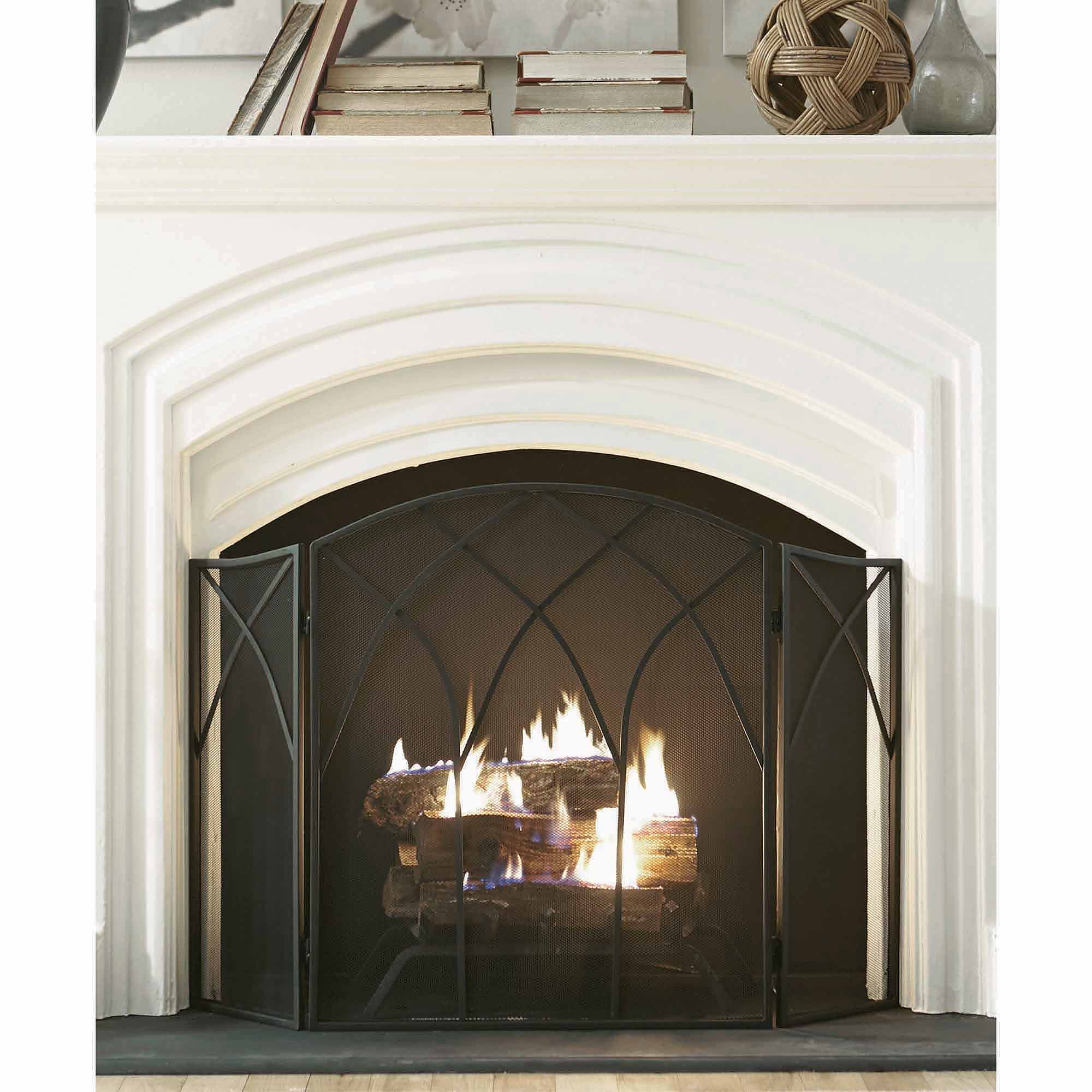
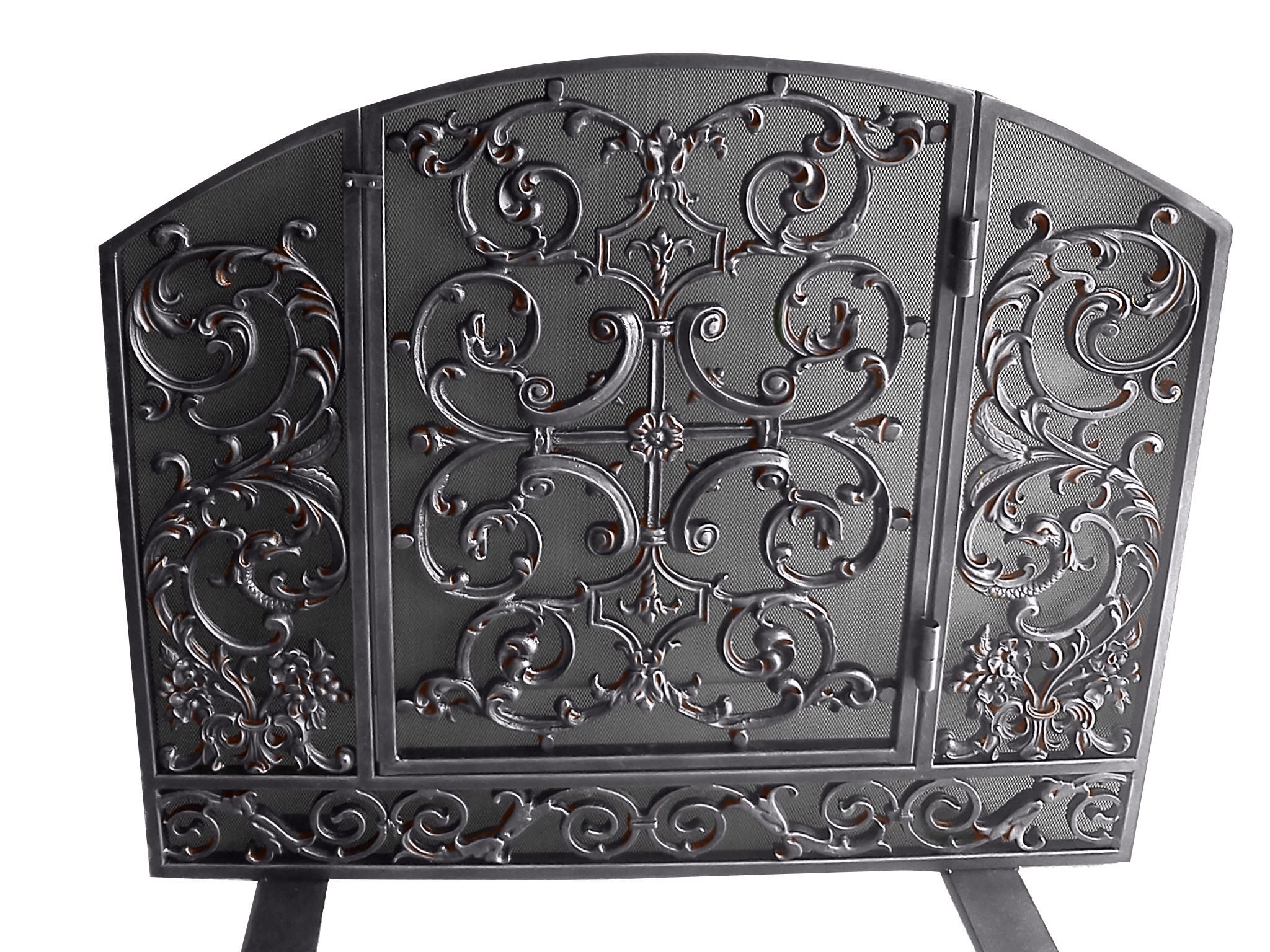
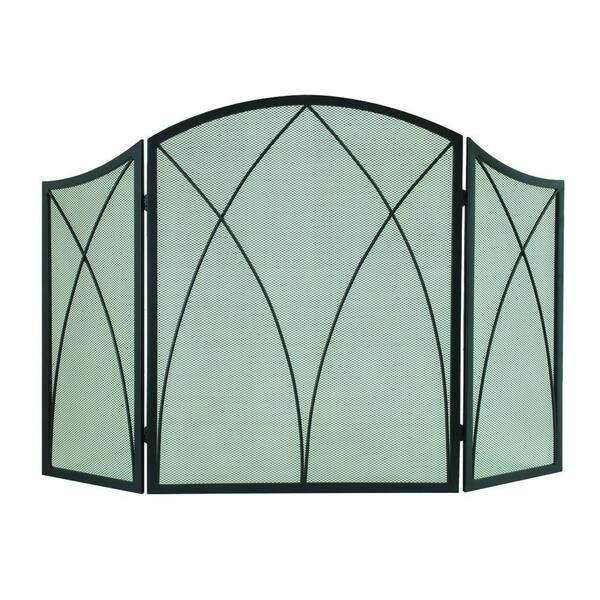
The intricate ironwork patterns that define gothic fireplace screens initially seemed overwhelming until I learned to appreciate their historical significance and craftsmanship. Traditional gothic motifs like pointed arches, trefoil designs, and elaborate scrollwork create visual interest that draws the eye naturally toward the fireplace as a focal point. I found that these detailed patterns add depth and texture to my room in ways that simple flat screens never could.
What surprised me most was how gothic screens balance ornate decoration with functional practicality. The pointed arch designs aren’t just aesthetically pleasing, they also allow for better heat distribution while maintaining proper spark protection. My screen features quatrefoil cutouts that create beautiful shadow patterns on the wall when the fire is burning, adding an enchanting ambiance that transforms ordinary evenings into magical experiences.
The craftsmanship involved in authentic gothic fireplace screens became apparent once I started examining different options. Hand-forged details, hammered textures, and individually shaped elements create unique character that mass-produced screens simply cannot replicate. I learned to look for signs of authentic metalworking techniques like visible hammer marks and slight irregularities that indicate genuine handcrafted construction rather than machine-stamped imitations.
Choosing Between Authentic Antiques and Modern Reproductions
Shopping for my gothic fireplace screen presented the challenging decision between authentic antique pieces and contemporary reproductions. Genuine antique screens, often dating from the Victorian era’s gothic revival period, possess an undeniable authenticity and patina that comes only with age. However, I discovered that antique screens often require restoration work and may not meet current safety standards for spark protection.
Modern reproductions offered several practical advantages that ultimately influenced my decision. Contemporary artisans create gothic screens using traditional techniques but with modern safety considerations built in. My reproduction screen features proper mesh backing and meets current fire safety codes while maintaining the aesthetic appeal of historical designs. The peace of mind regarding family safety made this option more appealing than gambling with antique functionality.
Cost considerations played a significant role in my final choice between authentic and reproduction gothic screens. Genuine antiques in good condition command premium prices, often exceeding $2,000 for exceptional pieces. Quality reproductions from skilled metalworkers typically range from $600-1,200, providing excellent value while still delivering the gothic aesthetic I desired. The savings allowed me to invest in professional installation and complementary fireplace accessories.
Installation Challenges and Safety Considerations
Installing my gothic fireplace screen required more preparation than I initially anticipated, particularly regarding proper measurements and clearances. The ornate design elements of gothic screens often extend beyond standard dimensions, so I needed to carefully measure not just the fireplace opening but also account for protruding decorative elements that might interfere with hearth furniture or nearby walls.
Safety considerations became paramount when positioning my gothic screen for both protection and functionality. The screen must sit close enough to the fireplace opening to catch sparks effectively while allowing sufficient airflow for proper combustion. I learned that gothic screens with their intricate metalwork can sometimes restrict airflow if positioned incorrectly, potentially affecting fire performance and creating safety hazards.
Professional consultation proved invaluable for ensuring proper installation of my gothic fireplace screen. A certified fireplace technician confirmed that my screen met safety requirements and advised on optimal positioning for both protection and aesthetic impact. This expert guidance prevented costly mistakes and ensured that my beautiful gothic screen would function safely for years to come while maintaining its decorative appeal.

Maintenance and Care of Ornate Metalwork
Maintaining the intricate details of my gothic fireplace screen requires specific techniques that differ significantly from caring for simple flat screens. The elaborate scrollwork and decorative elements create numerous crevices where dust and soot can accumulate, requiring careful attention with soft brushes and detail work that takes time and patience to execute properly.
Regular cleaning of my gothic screen involves both routine maintenance and periodic deep cleaning sessions. I dust the screen weekly using a soft-bristled brush to remove surface debris, paying special attention to the intricate metalwork details. Monthly deep cleaning with appropriate metal cleaners helps maintain the finish while preventing corrosion that could damage the delicate decorative elements over time.
Protecting the metal finish has become an important part of my maintenance routine, particularly for preventing rust and maintaining the screen’s appearance. I apply a thin coat of metal protectant annually, carefully working it into all the decorative details. This preventive maintenance has kept my gothic screen looking beautiful while ensuring that the intricate ironwork remains structurally sound and visually appealing.

Styling and Decorating Around Gothic Elements
Integrating my gothic fireplace screen into my existing decor required thoughtful consideration of complementary design elements throughout the room. Initially concerned that the ornate style might clash with my casual furnishings, I discovered that gothic elements actually provide sophisticated contrast that enhances rather than overwhelms other decorative choices in my living space.
Color coordination became crucial for creating harmony between my gothic screen and the surrounding room design. The dark iron finish of my screen pairs beautifully with rich jewel tones like deep burgundy and forest green, while also complementing neutral colors like cream and taupe. I found that incorporating these coordinating colors in throw pillows, curtains, and accessories helped tie the gothic element into my overall design scheme.
Lighting considerations proved essential for showcasing my gothic fireplace screen’s intricate details effectively. Strategic placement of table lamps and wall sconces creates shadows and highlights that emphasize the dimensional qualities of the metalwork. During evening hours, the interplay between firelight and artificial lighting transforms the gothic screen into a stunning focal point that commands attention and admiration.

Budget Planning and Investment Value
The initial cost of my gothic fireplace screen represented a significant investment that required careful budget planning and consideration of long-term value. Quality gothic screens from reputable artisans typically cost between $600-1,500, depending on size, complexity, and materials used. I allocated additional funds for professional installation and complementary accessories to ensure a cohesive finished appearance.
Comparing costs between different gothic screen options helped me understand the value proposition of various choices available. Mass-produced screens offered lower prices but lacked the authentic details and craftsmanship that make gothic designs truly special. Investing in a hand-forged piece from a skilled artisan provided superior quality and uniqueness that justified the higher price point.
Long-term value considerations influenced my decision to purchase a high-quality gothic fireplace screen rather than settling for a cheaper alternative. A well-made gothic screen should last for decades with proper care, making it a worthwhile investment in my home’s character and functionality. The timeless appeal of gothic design suggests that this piece will remain stylistically relevant and valuable for many years to come.

Are gothic fireplace screens safe for regular use with active fires?
My gothic screen is completely safe when properly installed and maintained. I chose a reproduction that meets current safety standards with fine mesh backing for spark protection. The key is ensuring proper clearance from the fire and regular inspection of the metalwork for any damage. Quality gothic screens provide excellent protection while adding beautiful decorative appeal to active fireplaces.
How do you clean all the intricate details on a gothic fireplace screen?
Cleaning requires patience but isn’t difficult. I use soft-bristled brushes to remove dust from crevices weekly, and detail brushes help reach tight spaces. For deeper cleaning, I apply metal cleaner with a soft cloth, working carefully around each decorative element. The elaborate details do require more time than simple screens, but the stunning results justify the extra effort.
Will a gothic screen work with modern or contemporary home decor?
Surprisingly, yes! My gothic screen creates beautiful contrast in my contemporary space. The key is balancing the ornate screen with simpler surrounding elements and choosing complementary colors. Gothic screens can serve as striking focal points that add character and sophistication to modern rooms without overwhelming the overall design aesthetic.
What’s the difference between expensive and budget gothic fireplace screens?
The main differences are in craftsmanship quality and authentic details. Expensive screens feature hand-forged elements, unique details, and superior materials that create genuine character. Budget options often use machine-stamped patterns that lack the dimensional quality and authentic appearance of handcrafted pieces. The investment in quality shows in both appearance and durability.
Can gothic fireplace screens be used decoratively when the fireplace isn’t active?
Absolutely! My gothic screen serves as beautiful decor even when we’re not using the fireplace. The intricate metalwork creates visual interest year-round, and I sometimes place battery-operated candles behind it for ambiance. Gothic screens are stunning decorative elements that enhance room aesthetics whether the fireplace is active or serving as a seasonal focal point.
How do you prevent rust and maintain the metal finish on gothic screens?
Prevention is key to maintaining the finish. I keep the screen dry and apply metal protectant annually to prevent rust formation. If rust appears, I address it immediately with fine steel wool and rust converter before re-applying protective coating. Proper ventilation around the fireplace and regular maintenance have kept my gothic screen looking beautiful without significant rust issues.

Gothic fireplace screen Decor, Living room mantel, Furniture styles

Pleasant Hearth 633 Gothic Steel Fireplace Screen, Black
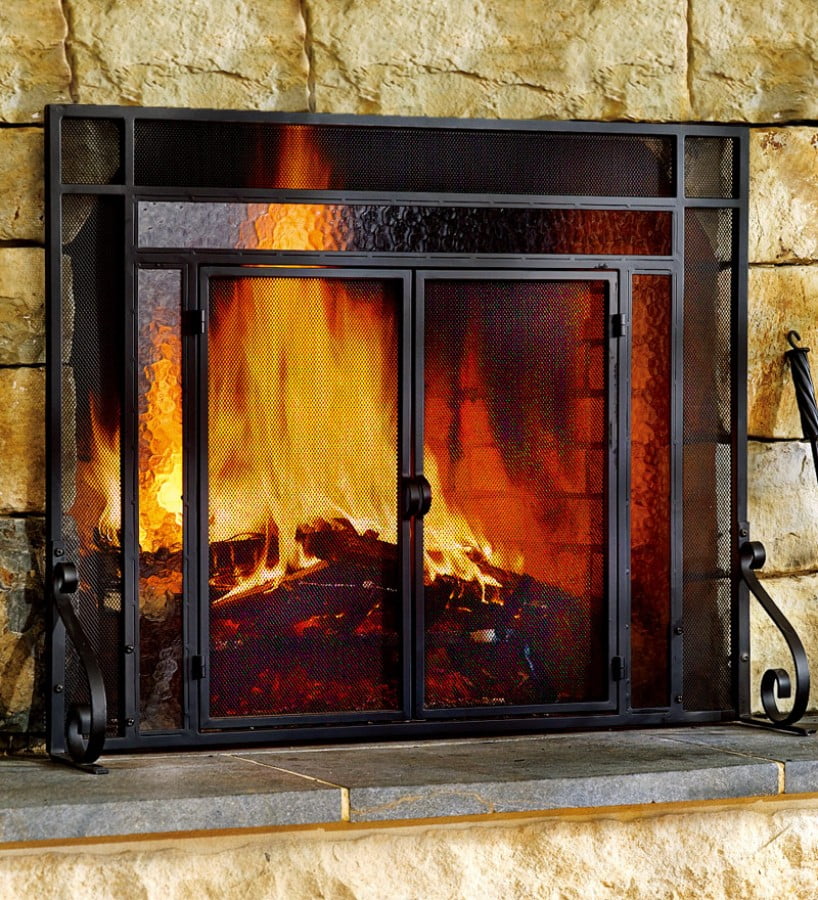
Pleasant Hearth Arched 3-Panel Fireplace Screen
The Antique Fireplace Bank Rustic French Gothic Style Fireplace Screen

Related Posts: