When I first discovered a tarnished brass fireplace screen at an estate sale two years ago, I had no idea it would become the centerpiece of my living room transformation. Hidden beneath layers of oxidation and neglect, this beautiful piece whispered stories of cozy family evenings from decades past. After hours of careful restoration and research into its origins, I became completely captivated by the craftsmanship and timeless appeal of vintage brass screens. Now I can’t imagine my fireplace without its elegant presence, and I’ve helped several friends find their own perfect vintage pieces.
Identifying Authentic Vintage Brass Screens
Learning to spot genuine vintage brass screens took time and several expensive mistakes before I developed a reliable eye. Authentic pieces from the 1920s through 1960s typically feature solid brass construction with substantial weight and thickness that modern reproductions rarely match. I look for maker’s marks, patent numbers, or foundry stamps that indicate quality manufacturers like Virginia Metalcrafters, Bradley & Hubbard, or local artisan shops that produced custom pieces during the golden age of fireplace accessories.
The patina tells an important story about authenticity and age that can’t be easily replicated. Real vintage brass develops a complex layered oxidation over decades, creating depth and character that new pieces lack. I’ve learned to recognize the difference between natural aging and artificial treatments used on reproductions. Genuine patina varies across the surface, darker in crevices and lighter on raised areas where hands have touched the metal over the years of use.
Construction details reveal quality and era more than any other factor I’ve discovered. Hand-forged elements, visible hammer marks, and slightly irregular patterns indicate older, handcrafted pieces. Machine-made screens from the 1940s and later show more uniformity but still maintain superior materials and attention to detail compared to contemporary mass production. I examine joints, welds, and attachment points for signs of quality craftsmanship that distinguish collectible pieces from decorative reproductions.
Restoration Techniques That Preserve Character
My first restoration project taught me that gentle cleaning preserves more character than aggressive polishing that strips away decades of natural aging. I start with soft cloths and mild soap to remove surface dirt and grime, revealing the underlying patina without disturbing the metal’s natural oxidation. For stubborn spots, I use specialized brass cleaners sparingly, testing on hidden areas first to ensure they won’t damage the finish or remove desirable aging effects.
Mechanical restoration requires patience and the right tools to avoid damaging delicate decorative elements. I use fine-grit sandpaper and steel wool only on heavily corroded areas, working gradually to preserve as much original surface as possible. Intricate scrollwork and detailed patterns need careful attention with small brushes and dental picks to clean without losing fine details. I’ve learned that over-restoration can actually decrease value and appeal by making vintage pieces look too new.
Protective finishing has become crucial for maintaining restored screens while preserving their vintage appearance. I apply thin coats of museum-quality wax or specialized brass protectants that slow future oxidation without creating an obviously modern shiny finish. The goal is to stabilize the existing patina rather than returning the brass to its original bright golden color. This approach maintains authenticity while ensuring the screen will serve functional and decorative purposes for years to come.
Styling Vintage Screens in Modern Homes
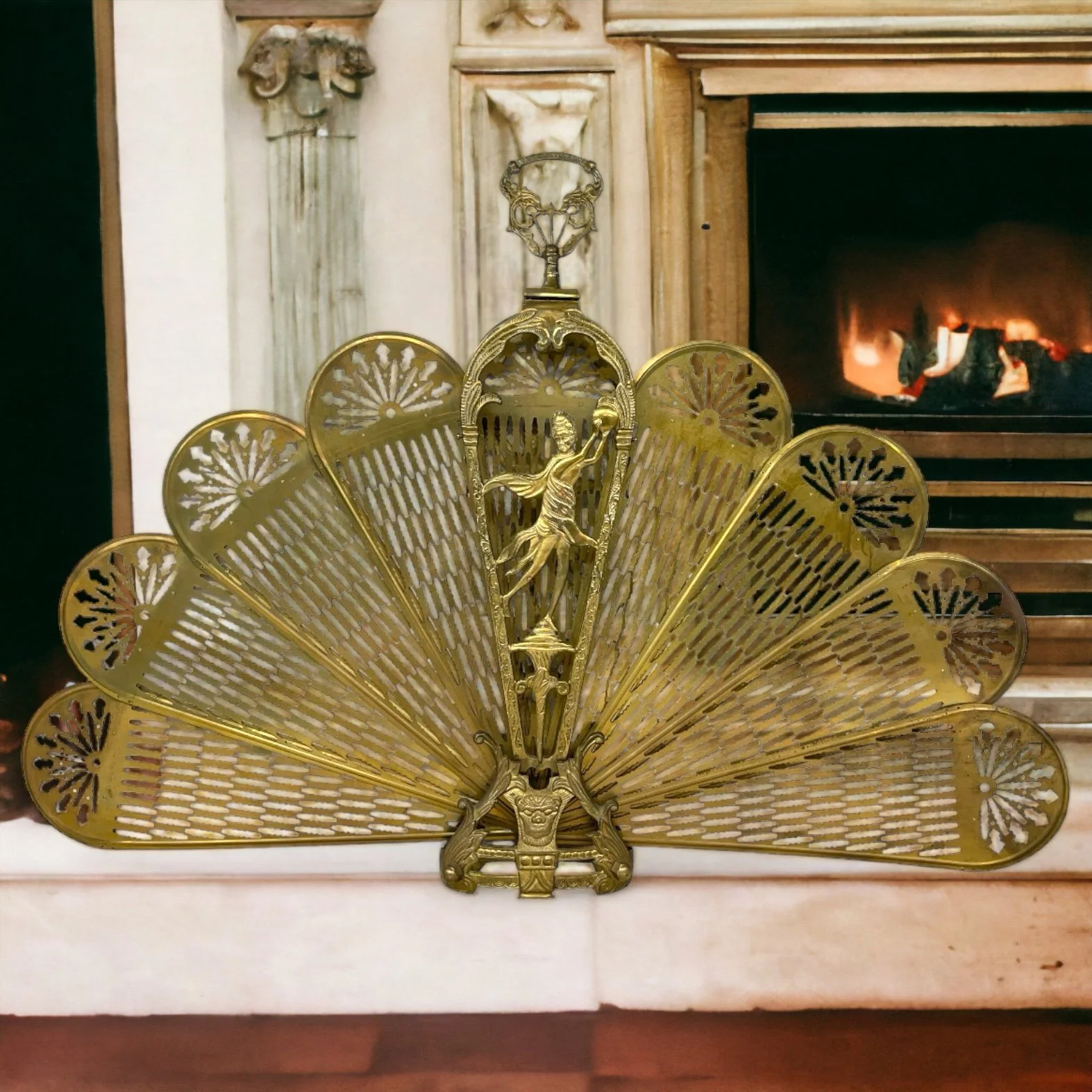
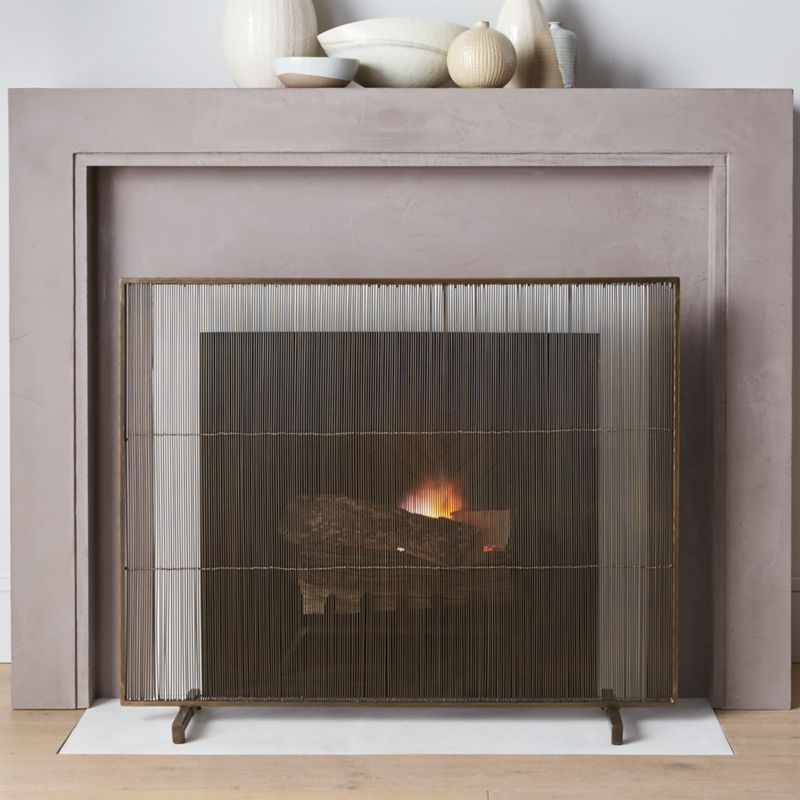
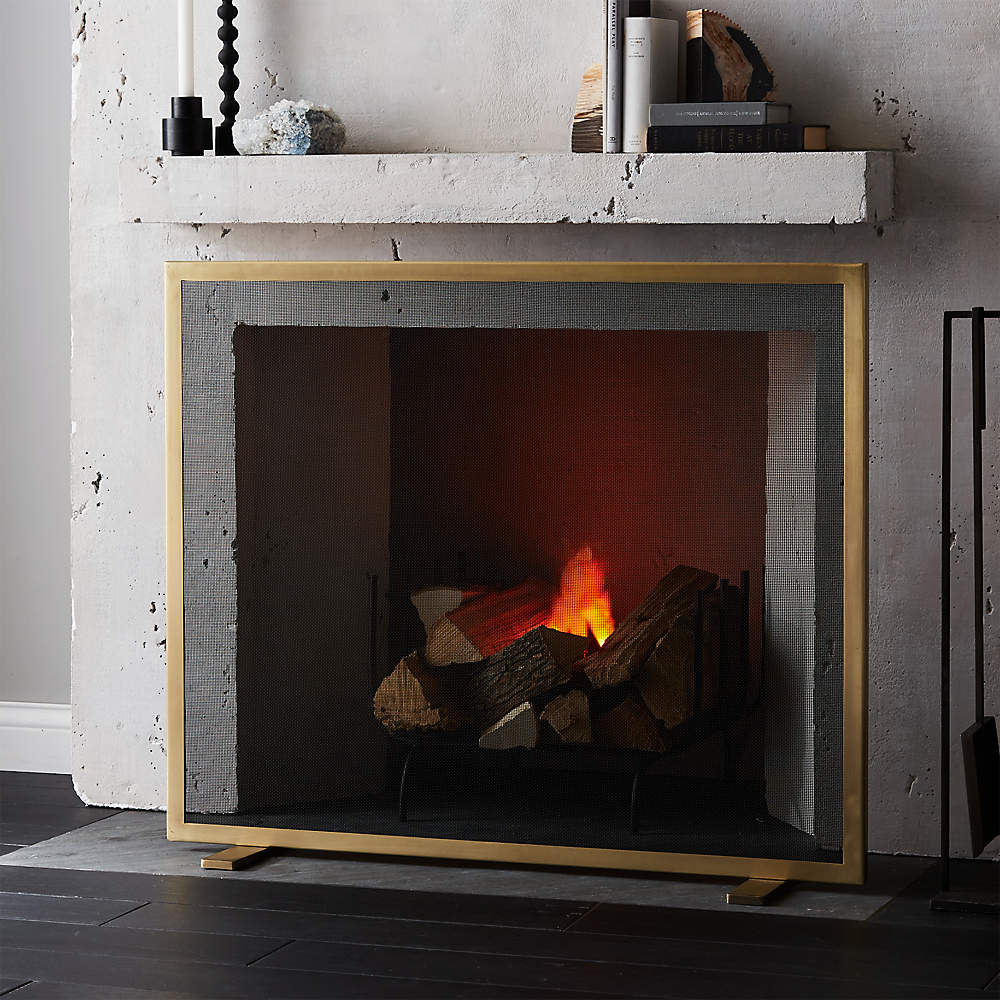
Integrating vintage brass screens into contemporary decor requires balancing their classical elegance with modern sensibilities. I’ve found that these pieces work beautifully as statement elements that anchor transitional or eclectic design schemes. The warm golden tones of aged brass complement both cool and warm color palettes, while the ornate details add visual interest without overwhelming clean, modern lines in furniture and architecture.
Scale considerations became important when I helped friends choose screens for their various fireplace sizes and room proportions. Oversized screens can dominate smaller spaces, while delicate pieces might get lost in large, open-concept rooms. I measure not just the fireplace opening but also consider ceiling height, surrounding furnishings, and sight lines from different areas of the room. The screen should feel proportionate and integrated rather than appearing as an afterthought or overwhelming focal point.
Seasonal styling allows vintage brass screens to shine year-round, not just during fireplace season. In summer, I position dried branches, decorative logs, or potted plants behind the screen to create visual interest in the empty firebox. The brass patina provides a beautiful contrast with greenery and natural materials. During holidays, the screen becomes a backdrop for garlands, lights, or seasonal decorations that complement rather than compete with its intricate metalwork and warm coloring.
Shopping Strategies and Value Assessment
Estate sales and antique shows became my hunting grounds for finding quality vintage brass screens at reasonable prices. I learned to arrive early for the best selection and bring measurements of my fireplace opening to ensure a proper fit. Building relationships with dealers and collectors opened doors to pieces not displayed publicly, and I often hear about exceptional finds before they hit the general market. Patience pays off because truly special screens appear infrequently.
Pricing vintage brass screens requires understanding both market values and condition factors that affect worth. I researched completed sales of similar pieces online and consulted price guides for reference points, but condition, rarity, and maker reputation significantly influence actual values. Screens needing extensive restoration cost less initially but require time and materials investment. I factor restoration costs into purchase decisions to avoid paying premium prices for pieces requiring significant work.
Authentication became crucial after I nearly purchased an expensive reproduction marketed as vintage. I now examine construction methods, materials, and makers’ marks carefully before committing to significant purchases. Consulting with experienced collectors or appraisers for high-value pieces provides peace of mind and education. Building knowledge through books, online resources, and hands-on examination of known authentic pieces improved my ability to spot quality and avoid costly mistakes.
Maintenance and Long-term Care
Regular maintenance keeps vintage brass screens functional and beautiful without requiring major restoration efforts. I dust weekly with soft cloths and vacuum decorative crevices monthly to prevent dirt buildup that can accelerate corrosion. For actively used fireplaces, I clean ash and soot promptly to prevent staining and chemical damage to the brass surface. Simple preventive care preserves the screen’s condition and protects my restoration investment over time.
Environmental factors significantly impact brass preservation, lessons I learned after moving my screen to different rooms with varying humidity levels. Consistent temperature and moderate humidity prevent rapid oxidation and structural stress from expansion and contraction. I avoid placing screens near heating vents, air conditioners, or windows where condensation might occur. Proper storage during non-use seasons protects screens from unnecessary exposure to damaging conditions.
Professional conservation becomes necessary for valuable or severely damaged pieces that exceed my DIY capabilities. I’ve developed relationships with metalwork specialists who understand historical techniques and materials. For insurance purposes, I document the condition and have valuable pieces professionally appraised. This documentation proves useful for insurance claims and provides baseline information for tracking changes in condition over time, helping me make informed decisions about future care needs.
Investment Potential and Collecting Tips
The market for quality vintage brass fireplace screens has grown steadily as homeowners seek authentic character pieces for their interiors. I’ve watched prices increase for exceptional examples while common reproductions remain affordable. Collecting focuses on rarity, condition, maker reputation, and historical significance rather than age alone. Screens with documented provenance or connections to notable architects or interior designers command premium prices from serious collectors.
Building a collection requires developing expertise in specific periods, makers, or styles that appeal personally while showing market strength. I specialized in Art Deco period screens because I love the geometric patterns and bold designs characteristic of that era. Focusing allows deeper knowledge development and recognition of exceptional pieces when they appear. I also network with other collectors to learn about market trends and share information about discoveries.
Documentation and preservation support long-term investment potential for quality pieces. I photograph screens from multiple angles, research their history and makers, and maintain detailed records of provenance, restoration work, and condition changes. This information increases value for future sales and provides fascinating historical context for pieces I plan to keep. Proper care and documentation transform functional antiques into valuable collectibles that appreciate over time while providing daily enjoyment in my home.

How can I tell if a brass fireplace screen is genuinely vintage?
Look for substantial weight, quality construction details, and natural patina that varies across the surface. Authentic pieces often have maker’s marks or foundry stamps. I examine joints and decorative elements for hand-forged characteristics versus machine uniformity. Real vintage brass develops complex oxidation patterns that reproductions rarely achieve convincingly.
What’s the best way to clean a vintage brass screen without damaging it?
Start with gentle soap and soft cloths to remove surface dirt. I use brass cleaners sparingly and test on hidden areas first. Avoid aggressive polishing that strips away valuable patina. For intricate details, I use small brushes and dental picks. The goal is preserving character while removing harmful buildup, not restoring like-new appearance.
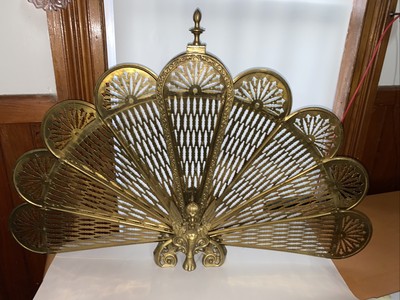
Are vintage brass screens safe for actual fireplace use?
Most quality vintage screens remain functional if structurally sound and properly sized. I inspect mesh integrity, frame stability, and mounting hardware before use. Some decorative pieces weren’t designed for active fires, so I researched the original intended use. When in doubt, I consult fireplace professionals about safety and proper installation for my specific situation.
What should I expect to pay for a quality vintage brass screen?
Prices vary widely based on size, condition, maker, and rarity. I’ve found decent pieces starting around $200-400, while exceptional examples can cost $1000 or more. Factor in potential restoration costs when budgeting. Estate sales often offer better values than antique shops, but require more hunting time and expertise to identify quality pieces.
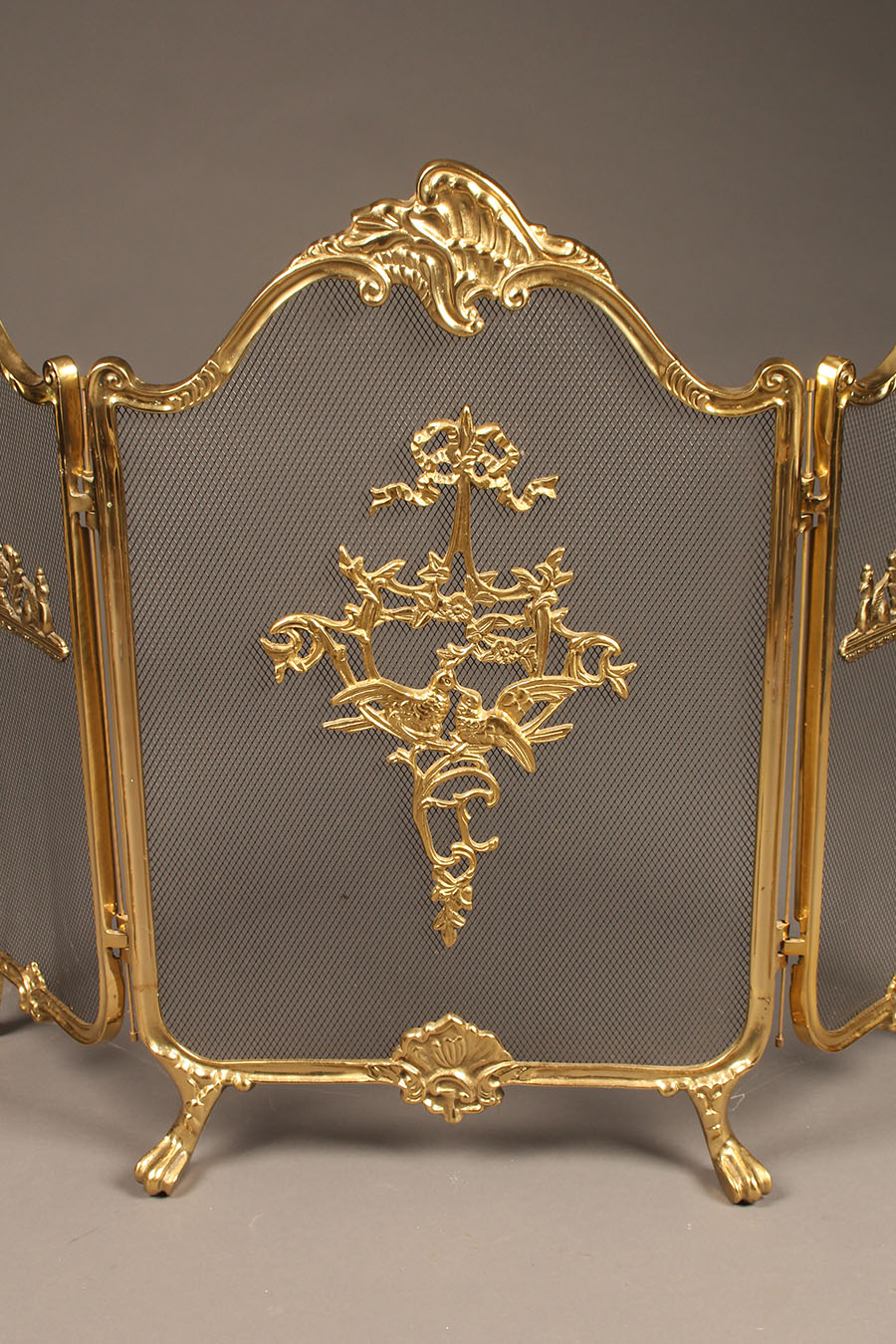
How do I prevent my vintage brass screen from tarnishing quickly?
Consistent environmental conditions help slow oxidation. I avoid placing screens near heating vents or humid areas. Regular dusting prevents dirt buildup that accelerates tarnishing. I apply museum-quality wax protectants sparingly to slow oxidation while preserving the vintage appearance. Some tarnishing is natural and actually adds to authentic character.
Can vintage brass screens work in contemporary home designs?
Absolutely! Brass screens add warmth and character to modern interiors. I’ve successfully integrated ornate vintage pieces into clean, contemporary spaces by treating them as sculptural art elements. The key is proper scaling and complementary styling. Mixed metals and eclectic approaches work particularly well for bridging traditional craftsmanship with modern aesthetics.
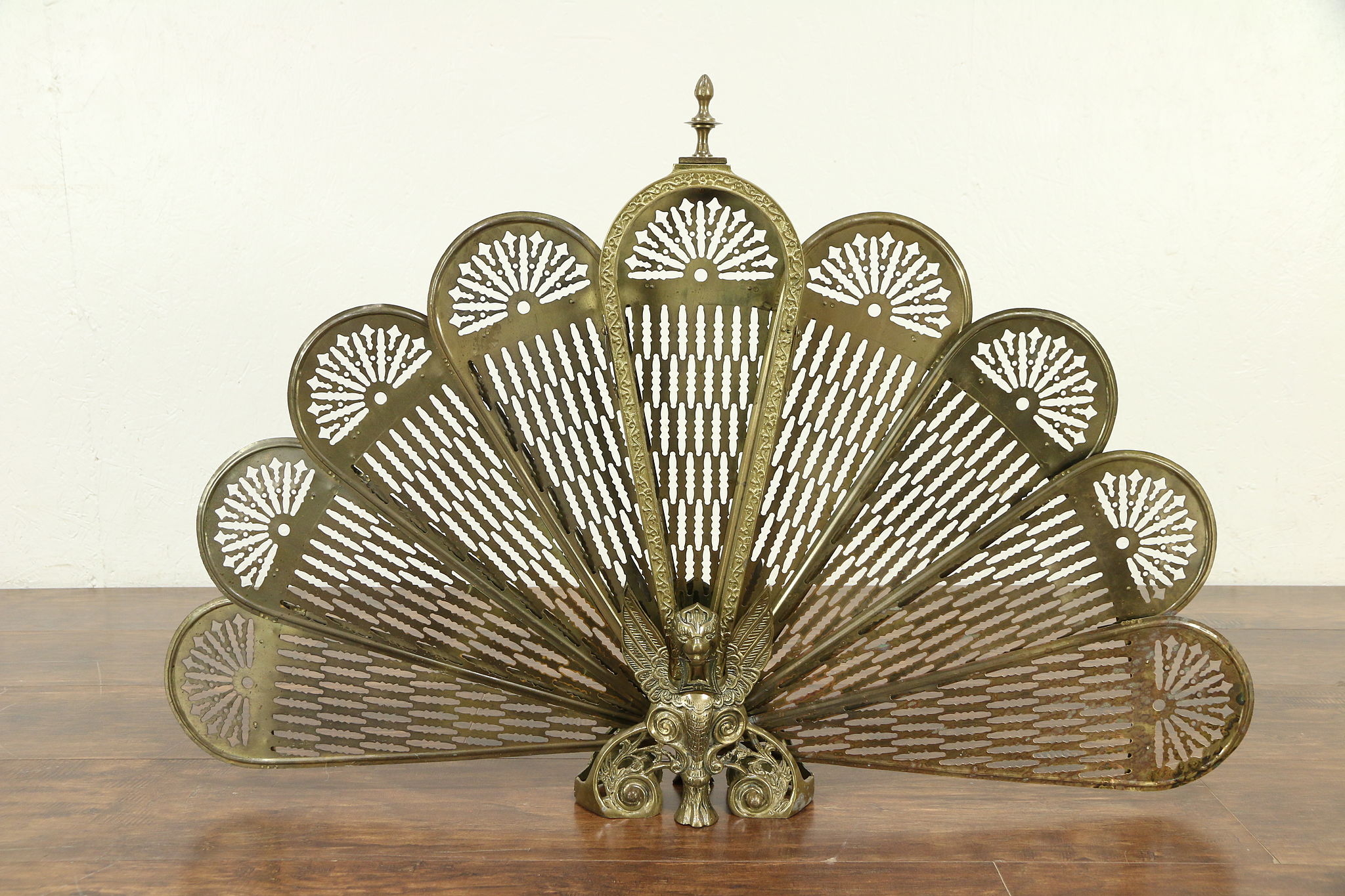
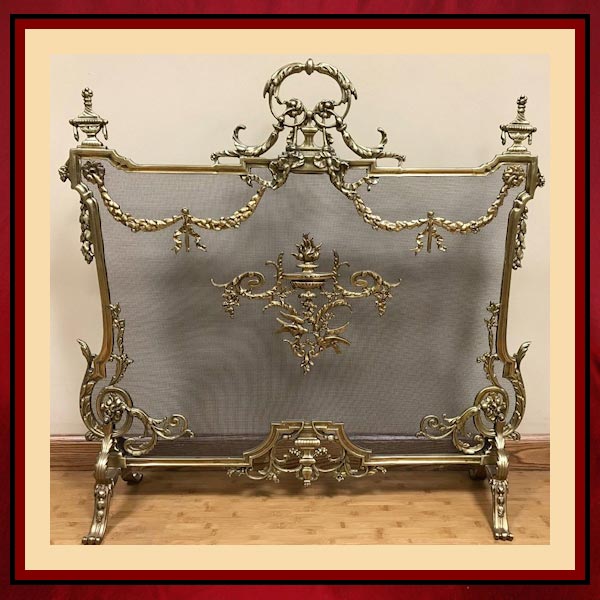
Vintage French Provincial Style Brass Fireplace Screen at 1stDibs
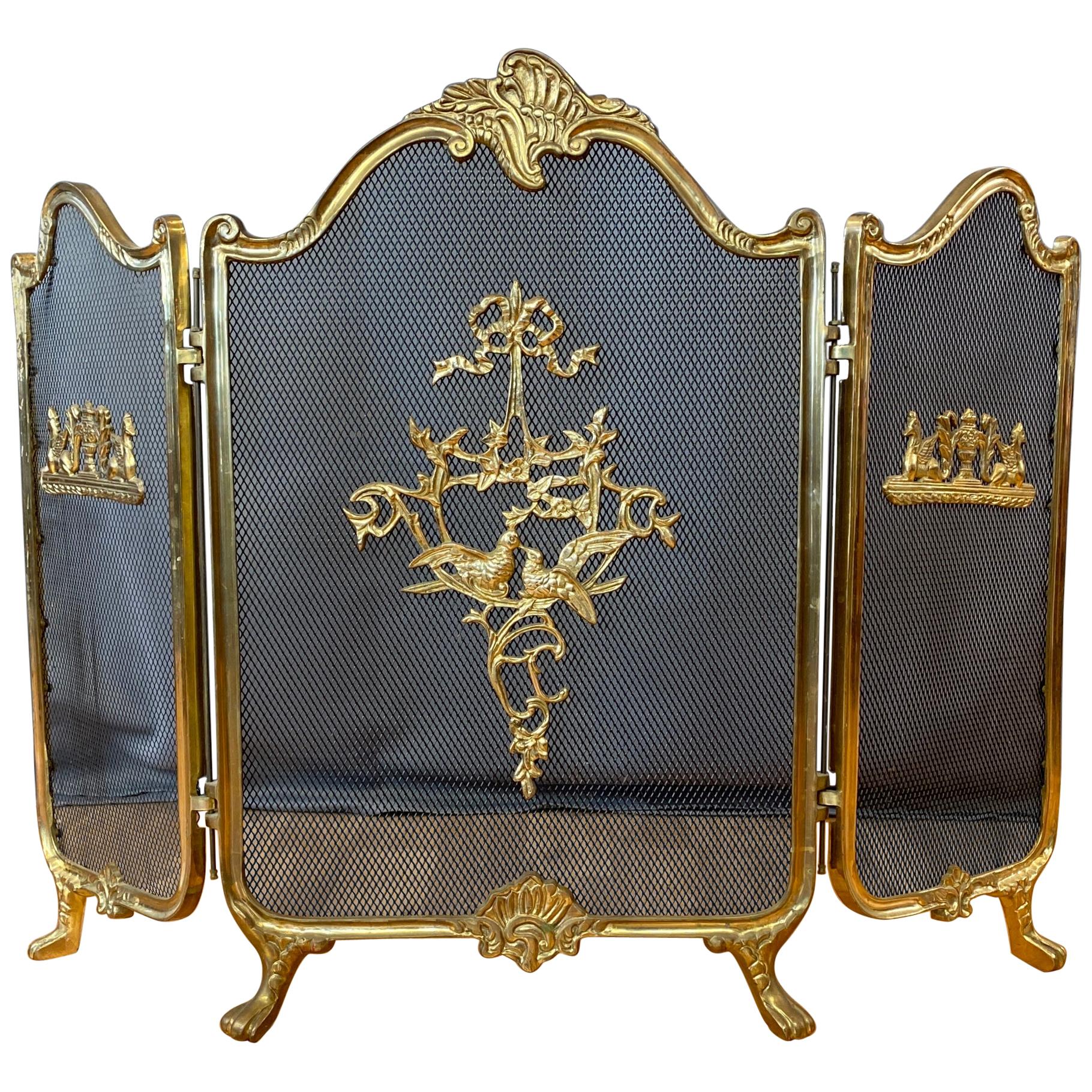
Vintage Brass Fireplace Screen Fireplace Fan Art Deco Peacock

Antique Vintage Fireplace Fire Screen Brass Metal eBay
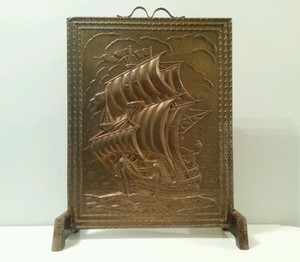
Vintage French Country Gold Metal & Brass Fireplace Screen With Metal Curtain

Related Posts: