When I first started thinking about adding a fireplace screen to my living room, I didn’t realize how much character the right piece could bring to the space. I’d always thought of fireplace screens as purely functional, something to keep sparks from flying onto my hardwood floors. But once I started exploring rustic options, I discovered they’re so much more than safety equipment. A rustic fireplace screen became the focal point of my room, adding warmth and personality that tied together my entire design scheme. The journey to finding the perfect one taught me that these pieces are where practicality meets artistry, and I want to share what I learned along the way.
Understanding What Makes a Fireplace Screen Truly Rustic
When I started my search, I quickly realized that “rustic” means different things to different people. For me, it became about embracing natural materials and handcrafted details that looked like they could have come from a centuries-old forge. I found myself drawn to screens made from wrought iron with visible hammer marks, pieces that showed the human touch behind their creation. The imperfections became the appeal, each dent and irregularity telling a story of craftsmanship rather than mass production.
I spent hours running my hands over different finishes at home stores and antique shops. The texture mattered more than I expected. Some rustic screens had a rough, almost raw metal finish that felt substantial and authentic. Others featured distressed bronze or copper patinas that gave them an aged appearance, like treasures discovered in an old barn. I learned that authentic rustic character comes from these finishing details, the way light catches on uneven surfaces, creating depth and visual interest that flat, modern screens simply can’t replicate.
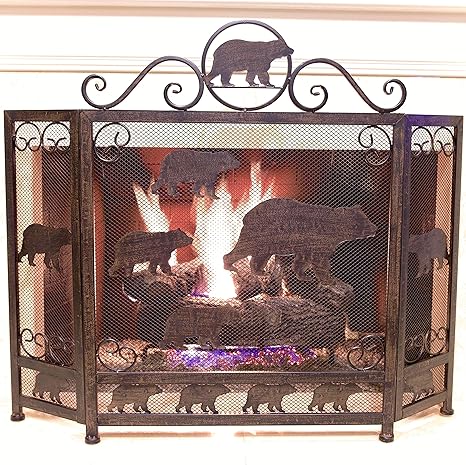
The design elements also played a huge role in defining that rustic aesthetic I was after. I noticed that truly rustic screens often incorporated nature-inspired motifs like pinecones, oak leaves, or wildlife silhouettes. Some featured geometric patterns that reminded me of old ranch gates or mission-style architecture. I eventually chose one with a mountain scene cutout because it connected to my love of the outdoors and brought that wilderness feeling right into my living room, making every fire feel like a camping trip.
Choosing Between Single Panel and Multi-Panel Designs
This decision stumped me initially because both styles had their merits. I have a fairly wide fireplace opening, and I worried a single-panel screen might look too rigid or fortress-like. Single panels offer clean lines and work beautifully for smaller fireplaces or more minimalist rustic styles. I tried one temporarily, and while it looked handsome, it didn’t have the flexibility I needed for actually using my fireplace regularly. When I wanted to add logs, I had to move the entire heavy screen, which became tiresome quickly.
Multi-panel screens, particularly three-panel designs, became my solution. The hinged construction meant I could angle the side panels to fit my fireplace opening perfectly, creating a custom look that single panels couldn’t achieve. I loved how the panels folded slightly inward, adding dimension and making the screen feel like a piece of functional sculpture rather than just a barrier. The flexibility meant I could easily swing one panel aside to tend the fire without wrestling with the whole structure, which made my evening fires much more enjoyable and less of a production.
I also discovered that multi-panel screens offered more surface area for decorative elements. The screen I ultimately purchased has different scenes on each panel, a progression that tells a visual story across the fireplace. The center panel features a large elk, while the side panels show forest scenes that frame it beautifully. This storytelling aspect wouldn’t have been possible with a single panel, and it gives me something new to appreciate every time I look at it. The way the panels catch and reflect firelight differently from various angles creates a constantly shifting display that adds magic to winter evenings.

Selecting the Right Size and Fit for Your Fireplace
I made the mistake of eyeballing my fireplace dimensions at first, thinking I could estimate what size screen I needed. That nearly led to disaster when I almost ordered a screen that would have been three inches too narrow on each side. I learned quickly that precise measurements are non-negotiable. I got down on my knees with a tape measure and recorded the width, height, and depth of my fireplace opening, adding a few extra inches on the width to ensure adequate spark protection for my floor.
Height proved trickier than I anticipated. My fireplace opening stands 32 inches tall, and I initially thought a screen of the same height would work perfectly. But I discovered that screens need to be slightly taller than the opening to provide proper protection, especially if you have an uneven hearth or if your fireplace projects forward. I ended up choosing a screen that’s 36 inches tall, which gives me that crucial buffer zone. It also looks more proportional in my space, creating a commanding presence without overwhelming the room.
The depth and stability considerations taught me another important lesson. Rustic screens, especially those made from heavier wrought iron, need proper footing to stand securely. I checked that my chosen screen had wide, sturdy feet that wouldn’t tip easily if bumped by a vacuum cleaner or an enthusiastic pet. Some screens come with adjustable feet, which I wish I’d known about earlier because my hearth has a slight slope. I ended up placing small felt pads under one side to level it out, but adjustable feet would have been more elegant. Now, when friends ask for advice, I always tell them to consider their floor situation before buying.

Maintaining and Caring for Your Rustic Screen
I’ll admit I didn’t think much about maintenance before buying my screen, assuming metal could handle anything. That changed after my first winter of regular fires when I noticed ash and soot building up in the decorative cutouts and along the scrollwork. I learned that rustic screens, with all their beautiful textural details, can trap residue in ways smooth, modern screens don’t. Now I make it part of my routine to brush the screen down with a soft bristle brush after every few fires, getting into all those nooks and crannies before buildup becomes stubborn.
The finish on rustic screens requires some attention, too. My screen has an oil-rubbed bronze finish that I absolutely love, but I discovered it can dry out over time, especially with the heat exposure from regular use. I started applying a thin coat of paste wax twice a year, rubbing it in with a soft cloth and then buffing it to a soft sheen. This simple step has kept the finish looking rich and protected, preventing the metal from developing rust spots or looking chalky. It takes maybe twenty minutes, and the screen looks as good now as the day I brought it home three years ago.
I also learned about seasonal care considerations. During summer, when my fireplace sits unused, I used to just leave the screen in place, collecting dust. Now I give it a thorough cleaning at the end of fire season, checking for any signs of heat damage or weakening joints. I apply a protective coating and sometimes move it to a less prominent spot during the warmest months, which lets me redecorate the hearth area seasonally. This simple practice has extended the life of my screen and keeps it looking special, rather than becoming invisible background furniture I stop noticing.

Balancing Safety Features with Aesthetic Appeal
Safety was honestly my primary concern when I first started looking for a fireplace screen, especially with two curious cats who think everything in the house exists for their entertainment. I needed something that would genuinely protect my home from stray sparks while still looking beautiful. I learned that mesh density matters significantly. The rustic screen I chose has a fine mesh backing behind the decorative metalwork, something I initially thought might detract from the design but actually provides essential protection without being visually intrusive.
The weight and stability of rustic screens became another safety feature I came to appreciate. My screen weighs about forty pounds, which initially seemed excessive when I was hauling it from my car. But that substantial weight means it stays firmly in place. I’ve seen lighter decorative screens that look lovely but wobble if you breathe on them wrong. With pets and the occasional visiting grandchild, I needed something that wouldn’t topple over easily. The heft of quality rustic ironwork provides that security, and I sleep better knowing my screen won’t become a hazard.
I also discovered that some rustic screens offer additional safety features that don’t compromise their aesthetic. Mine has a bottom rail that sits flush against the hearth, creating a seal that prevents embers from rolling underneath onto my wooden floor. The decorative elements are positioned strategically so there are no large openings where curious paws or hands could reach through toward the flames. These thoughtful design choices meant I didn’t have to sacrifice the open, artistic look I wanted for a more cage-like protective barrier. Finding that balance between beauty and function was crucial, and quality rustic screens manage it beautifully.

Finding Authentic Pieces and Avoiding Mass-Produced Imitations
My search for the perfect rustic screen taught me to spot the difference between authentic craftsmanship and mass-produced pieces trying to look handmade. I visited big-box stores where “rustic” screens were thin sheet metal with stamped designs that looked flat and lifeless. When I finally held a genuine hand-forged piece, the difference was immediately obvious. The metal had thickness and character, with subtle variations in the ironwork that only come from individual craftsmanship. The welds and joints looked intentional rather than merely functional.
I found some of my best options at local blacksmith studios and artisan shops. One blacksmith I visited actually let me watch him work on a custom screen for another client, and seeing the process changed how I valued these pieces. The heat, the hammering, the careful shaping of each scroll and curve, it’s true artistry. While custom work exceeded my budget, he also had ready-made designs that still carried that handcrafted quality. I learned to look for slight irregularities, the telltale signs of human hands rather than machine precision, and those became marks of authenticity rather than flaws.
Online marketplaces offered another avenue, though they required more careful vetting. I learned to read descriptions thoroughly, looking for terms like “hand-forged,” “wrought iron,” or “individually crafted” rather than vague language about “rustic style.” Customer photos proved more valuable than professional listing images, showing how screens actually looked in real homes under normal lighting. I also discovered that estate sales and architectural salvage yards occasionally offered genuine antique screens with incredible character, though finding one in my size required patience. The hunt became part of the joy, and when I finally found my screen, I knew immediately it was the real thing.
How do I know if a rustic fireplace screen will fit my specific fireplace dimensions?
I always measure my fireplace opening width, height, and the depth of my hearth before shopping. The screen should be at least 3-4 inches wider than the fireplace opening on each side to catch any stray sparks. For height, I add a few inches above the opening for proper protection. I also check the screen’s feet or base depth to ensure it sits stable on my hearth without tipping forward. When in doubt, I go slightly larger rather than smaller, since undersized screens leave dangerous gaps. I keep my measurements on my phone so I can reference them while shopping, which has saved me from costly mistakes.
Can I use a rustic fireplace screen with a gas fireplace, or is it only for wood-burning fireplaces?
I have a wood-burning fireplace, but my sister uses a rustic screen with her gas fireplace and loves it. Gas fireplaces produce less intense heat and fewer sparks than wood fires, but a screen still serves important purposes. It prevents children and pets from touching hot glass doors or getting too close to flames, and it adds that decorative element that makes the fireplace feel more traditional. The main consideration is ensuring the screen doesn’t block necessary ventilation or interfere with the gas fireplace’s operation. I’d recommend checking the gas fireplace manufacturer’s guidelines first, but generally, freestanding screens work perfectly fine.

How heavy are rustic fireplace screens, and will they damage my floors?
My wrought iron rustic screen weighs about forty pounds, which surprised me when I first lifted it. The weight varies significantly based on size and materials, ranging from twenty pounds for smaller pieces to over sixty pounds for large, elaborate designs. This weight usually isn’t a problem; it actually helps stability. However, I was concerned about scratching my hardwood floors, so I attached felt pads to the bottom of each foot. This simple addition lets me slide the screen when needed without gouging the wood. For stone or tile hearths, the weight isn’t an issue at all. The heft actually became a feature I appreciate rather than a drawback.
Do rustic fireplace screens require special cleaning products or maintenance routines?
I keep my maintenance routine pretty simple, and my screen still looks beautiful after three years. After every few fires, I brush off ash and soot with a soft brush, getting into the decorative details where residue collects. A few times a year, I wipe it down with a slightly damp cloth and dry it immediately to prevent water spots. For the finish, I apply paste wax twice annually, which protects the metal and keeps it looking rich. I avoid harsh chemicals or abrasive cleaners that could damage the patina or finish. The key is regular light maintenance rather than waiting until the buildup becomes a major problem. It takes minimal effort but makes a big difference.

Are rustic fireplace screens safe for homes with small children and pets?
Safety was my top priority with two cats in the house, and my rustic screen has performed perfectly. The key is choosing one with a fine mesh behind any decorative openings, which prevents paws or fingers from reaching through while maintaining the aesthetic. The substantial weight of quality rustic screens means they won’t tip over easily if bumped or climbed on. I positioned mine so there’s no nearby furniture kids could use as a launching pad. The metal does get hot during fires, so I taught visiting children that it’s look-but-don’t-touch, just like the fireplace itself. Overall, a well-made rustic screen provides excellent protection as long as you choose appropriate designs and supervise young children around any active fire.
Where can I find authentic rustic fireplace screens versus mass-produced imitations?
I learned this through trial and error, but authentic pieces come from blacksmith studios, artisan metalworkers, and specialty fireplace shops rather than big-box stores. I found my screen at a local forge where the craftsman showed me his process and let me feel the difference between hand-worked iron and stamped sheet metal. Estate sales and architectural salvage yards sometimes offer genuine antique screens with incredible character. Online, I look for detailed descriptions mentioning hand-forging, individual craftsmanship, and solid wrought iron construction. Customer reviews and real-home photos help verify quality. Authentic pieces cost more, typically starting around three hundred dollars, but the difference in appearance and durability justifies the investment completely.

Moose Fireplace Screen
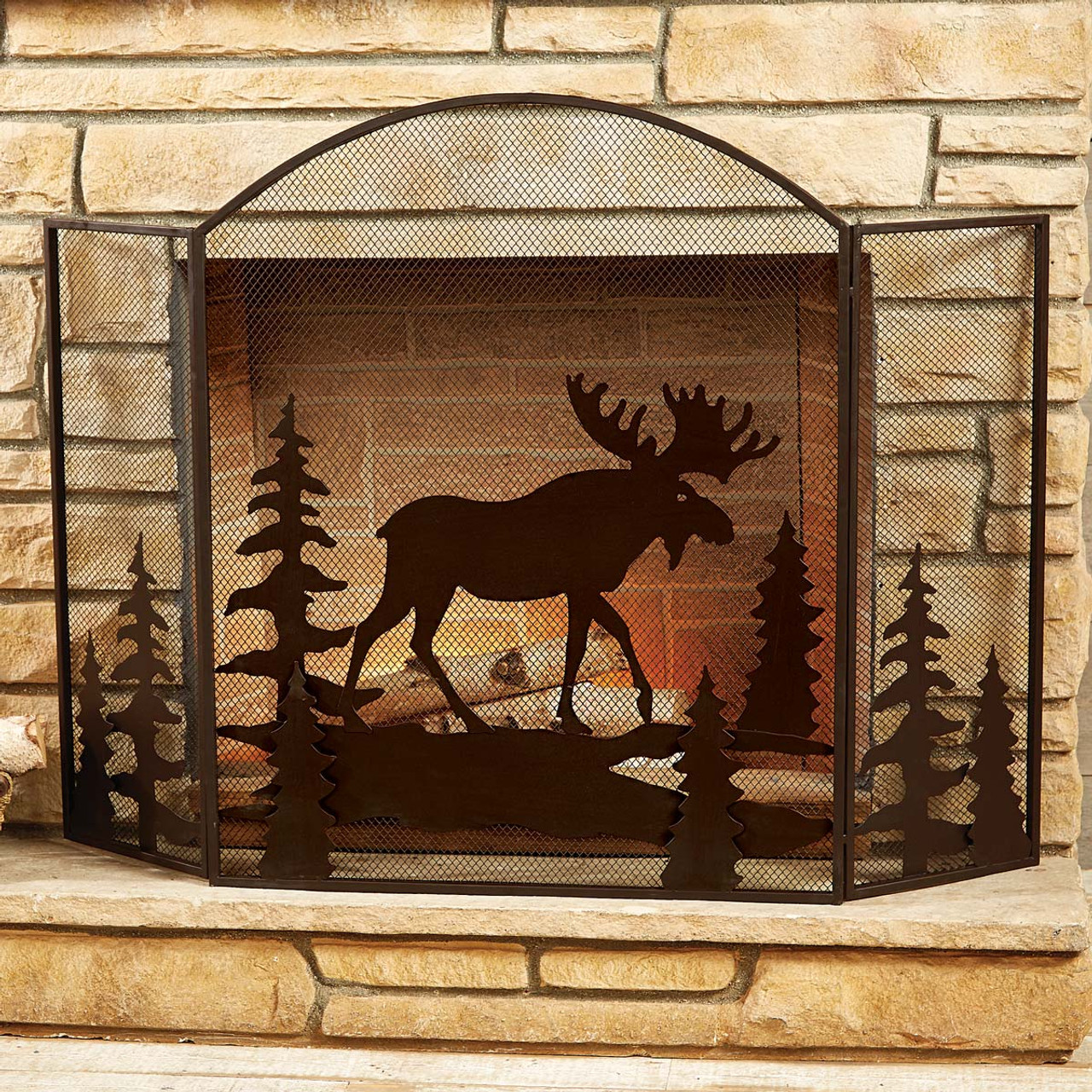
Fireplace Screens for the Cabin ideas fireplace screens

bear firescreen Rustic fireplace screens, Black forest decor

Rustic Decorative Metal Foldable Fireplace Screen With House Cabin Lodge Scenery
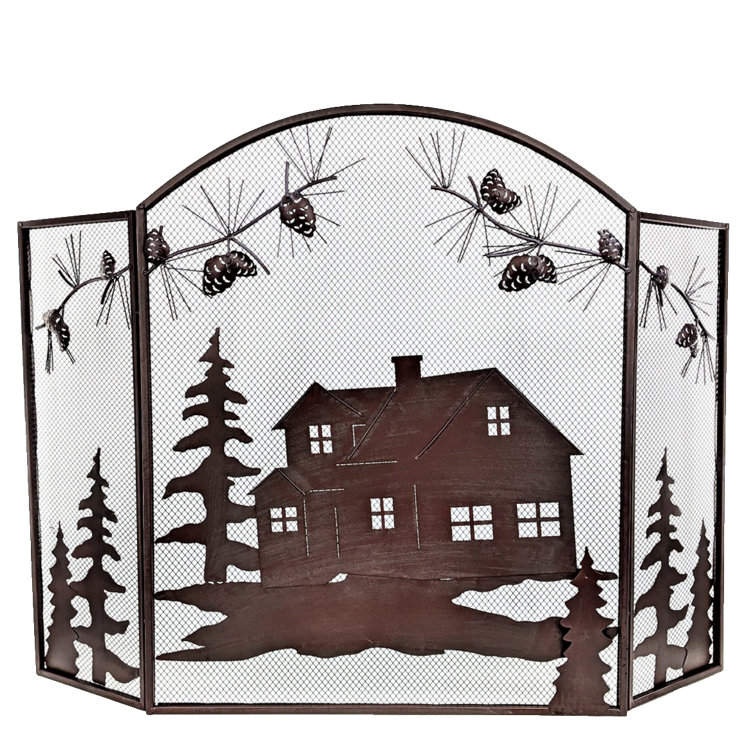
BLACK FOREST DECOR Cabin Scene Fireplace Screen : Home u0026 Kitchen
Rustic Fireplace Screens
Related Posts: