When I moved into my contemporary condo three years ago, I desperately wanted a fireplace, but faced a major obstacle: there was no chimney, and no feasible way to install one. After months of research and conversations with contractors, I discovered ventless gas fireplaces.
I’ll admit I was skeptical at first, concerned about safety and whether they’d provide real heat or look pretty. Now, after living with one through three winters, I can share honest insights about what worked, what surprised me, and what I wish I’d known before making this investment that transformed my living space.
Understanding How Ventless Gas Fireplaces Actually Work
When I first learned about ventless technology, I needed to understand the science behind it before feeling comfortable. These units burn natural gas or propane so efficiently that they produce minimal combustion byproducts, eliminating the need for external venting. The key is a carefully engineered burner system with oxygen depletion sensors that automatically shut off the gas if oxygen levels drop below safe thresholds. I spent hours reading technical specifications and safety certifications before feeling confident about the technology.
The efficiency aspect really impressed me once I grasped how it worked. Traditional fireplaces lose most of their heat up the chimney, sometimes 70 to 90 percent. My ventless unit keeps virtually all generated heat inside my living space, converting nearly 99 percent of fuel into usable warmth.
This efficiency translates to lower heating bills, something I noticed immediately during my first winter. My gas usage increased, but my overall heating costs decreased because I could lower my central heating thermostat.
I learned that proper installation and room size matter tremendously for safety and performance. My 20,000 BTU unit is rated for spaces up to 500 square feet, and I made sure my room met minimum cubic footage requirements.
The oxygen depletion sensor gives me peace of mind, but I also installed a carbon monoxide detector nearby as an extra precaution. Understanding these technical details helped me make an informed decision rather than relying solely on sales pitches from retailers who sometimes glossed over important specifications.
Choosing the Right Style for My Contemporary Space
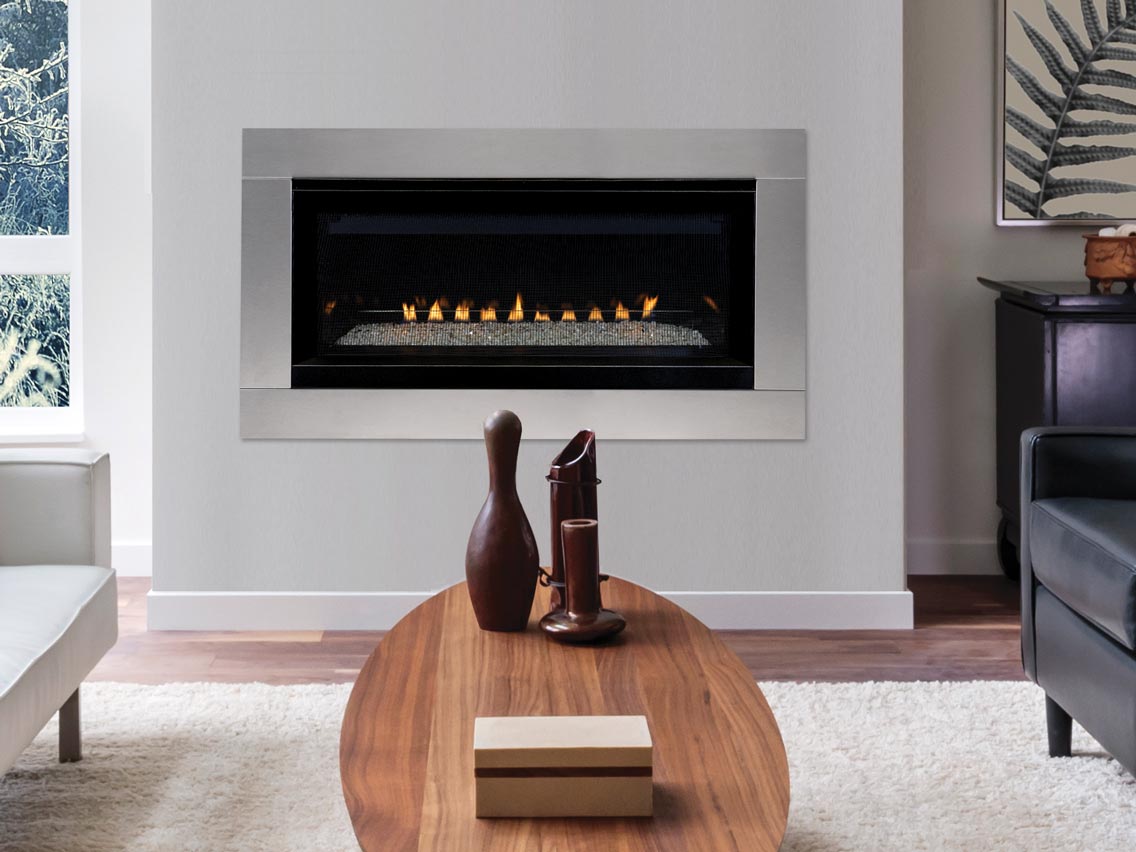
Shopping for my ventless fireplace opened my eyes to incredible design options I hadn’t imagined. I initially pictured traditional-looking units, but modern ventless fireplaces come in sleek, minimalist designs that perfectly complement contemporary interiors. I visited showrooms and spent weeks browsing online, comparing linear models, corner units, and even see-through options that could divide spaces. The variety was both exciting and overwhelming, so I created a spreadsheet to track features and prices.
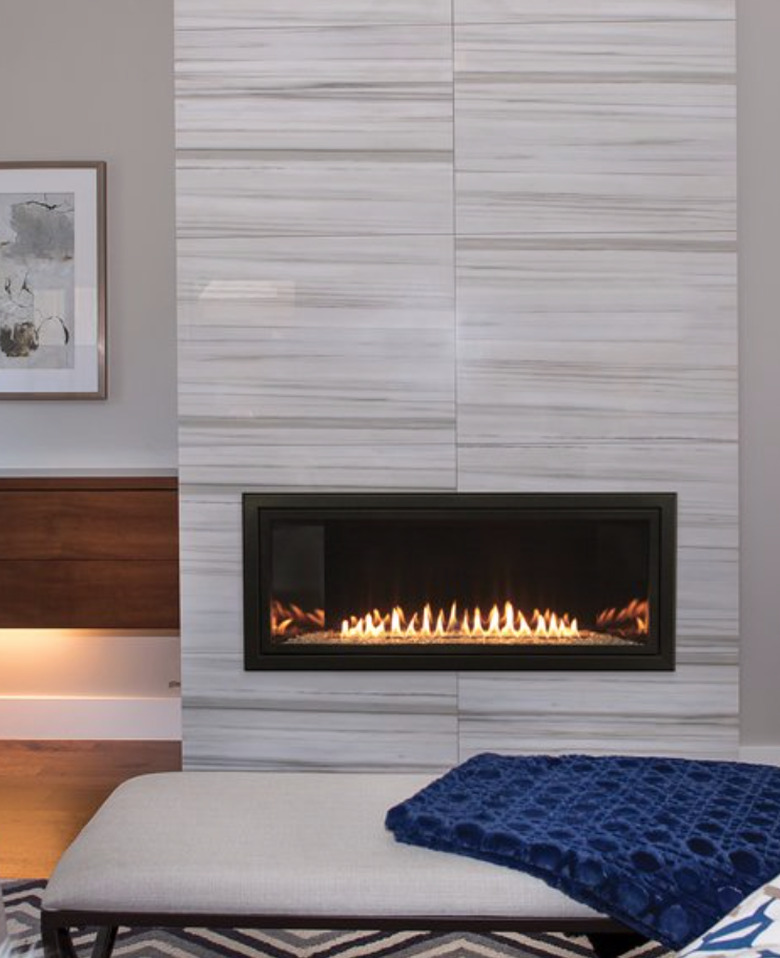
I ultimately chose a 36-inch linear model with a black glass surround and blue LED accent lighting. The clean horizontal lines matched my condo’s modern aesthetic perfectly, and the option to switch between traditional orange flames and contemporary blue flames appealed to my desire for versatility. The unit mounts flush to the wall, creating a seamless built-in appearance without requiring major construction. I loved that it became a stunning focal point even when not operating, displaying realistic ceramic fiber logs and reflective glass media.
Size considerations influenced my decision more than I expected. I measured my wall space carefully, considering furniture placement and sight lines from different seating areas. Too small would look lost on my large feature wall, while too large would overwhelm the space and potentially provide more heat than comfortable. I created cardboard templates in different sizes, taping them to the wall and living with each for a few days. This simple trick helped me visualize the final result and confidently select the perfect proportions for my room.

Installation Process and What I Learned
I hired a licensed professional for installation despite my initial inclination to attempt it myself. Ventless gas fireplaces require gas line connections and precise safety checks that aren’t suitable for DIY work unless you’re a certified technician. My installer needed about six hours to complete the job, including running a new gas line from my utility room, mounting the unit, making all connections, and conducting thorough safety tests. Watching the process taught me why professional installation was worth the investment.
The gas line installation proved more complex than I anticipated. My building required permits and inspections, adding two weeks to my timeline. The gas line had to be properly sized for the fireplace’s BTU rating, and my installer explained that undersized lines could cause performance issues and safety hazards. He also installed a dedicated shut-off valve near the fireplace for easy access during maintenance or emergencies. These details weren’t glamorous, but they ensured safe, reliable operation.
Electrical requirements surprised me since I assumed a gas fireplace wouldn’t need electricity. My model required a standard 110-volt outlet for the blower, LED lighting, and electronic ignition system. My installer had to add an outlet inside the wall chase where the fireplace was mounted, requiring minor drywall work I hadn’t budgeted for initially. I learned to ask detailed questions about all requirements, including electrical, gas pressure, clearances from combustible materials, and minimum room volumes. These conversations prevented unwelcome surprises and helped me prepare my space properly before installation day.

Daily Operation and Living With My Ventless Fireplace
Operating my ventless fireplace turned out to be incredibly convenient, one of my favorite aspects of ownership. I control everything with a remote that adjusts flame height, blower speed, and lighting options from my couch. On cold mornings, I start it before getting out of bed, and my living room warms up within fifteen minutes. The thermostat function maintains my desired temperature automatically, cycling the unit on and off as needed without any intervention from me.
The heat output exceeded my expectations for supplemental heating. On moderately cold days, my 20,000 BTU unit easily heats my 450 square foot living room and adjacent kitchen, allowing me to keep my central heating set much lower. During bitter cold snaps, I run both systems, but the fireplace significantly reduces how often my furnace cycles. I’ve learned to adjust the flame height based on outdoor temperatures, running it low for ambiance on cool evenings and high when I need serious warmth.
I did notice some quirks that took adjustment. The unit produces moisture as a byproduct of combustion, and during the first week, I noticed slight condensation on my windows during extended use. I started cracking a window slightly when running the fireplace for more than a few hours, providing fresh air circulation without losing much heat. I also learned that the initial break-in period produced a slight odor as manufacturing residues burned off, something my installer warned me about. After about ten hours of operation, this smell disappeared completely.

Maintenance Requirements and Long-Term Care
Maintaining my ventless fireplace requires far less work than I expected based on traditional fireplace ownership stories from friends. I clean the glass front monthly using products specifically designed for gas fireplace glass, avoiding regular glass cleaners that can damage the special coating. The glass stays remarkably clean compared to wood-burning fireplaces, with minimal residue buildup. I simply spray, wipe, and buff to a streak-free shine in about five minutes.
Annual professional servicing became part of my routine, and I consider it essential for safety and performance. My technician inspects the burner, cleans the pilot assembly, checks gas connections for leaks, tests the oxygen depletion sensor, and verifies proper flame characteristics. This service costs about $150 annually but gives me confidence that everything operates safely. During my second year’s service, the technician caught a minor issue with the pilot assembly that could have caused problems if left unaddressed.
I learned to perform some basic maintenance myself between professional visits. I vacuum around the unit monthly to prevent dust accumulation, keeping the intake and outlet vents clear. I check the batteries in my remote twice yearly, replacing them proactively rather than waiting for failure. I also inspect the logs and embers periodically, repositioning them if they’ve shifted during cleaning. These simple tasks take minimal time but help maintain optimal performance and appearance. I keep a maintenance log noting service dates, issues, and any observations, which has proven helpful for tracking patterns and communicating with my technician.
Cost Analysis and Energy Efficiency Reality
Breaking down the true costs helped me understand my investment better. My 36-inch linear unit cost $1,800, with professional installation adding another $800, including the gas line work and electrical outlet. I spent an additional $200 on decorative media upgrades, choosing premium glass pieces for a more custom look. The total $2,800 investment felt significant, but I compared it to traditional fireplace installation quotes of $8,000 to $15,000, making the ventless option clearly more economical.
Operating costs vary with usage, but I’ve tracked my expenses carefully. During the winter months, my natural gas usage increased by approximately 15 therms monthly, costing about $20 at my local rates. However, I simultaneously reduced my electric heating usage, saving roughly $40 monthly on my overall energy bill. The net savings of $20 monthly might not sound dramatic, but over a six-month heating season, I save $120 while enjoying a much more aesthetically pleasing heat source than baseboard heaters.
The efficiency numbers proved accurate in real-world use. My unit’s 99 percent efficiency rating means virtually no wasted energy, a stark contrast to traditional fireplaces. I calculated that achieving similar heat output from my electric baseboard heaters would cost nearly double what I spend on gas for the fireplace. The targeted heating also lets me warm the space I’m actually using rather than heating my entire condo uniformly. Over three years, I estimate I’ve saved approximately $700 in heating costs while enjoying superior ambiance, making the payback period about four years based on energy savings alone.

Are ventless gas fireplaces actually safe to use indoors?
Yes, when properly installed and maintained, they’re safe. I was concerned initially, but these units have multiple safety features, including oxygen depletion sensors that shut off the gas if oxygen levels drop. They’re certified by safety organizations and legal in most areas. I installed carbon monoxide detectors as an extra precaution and have never had any issues. The key is following manufacturer guidelines for room size, ventilation, and annual professional servicing.
How much does it actually cost to run a ventless gas fireplace?
In my experience, operating costs are quite reasonable. Running my 20,000 BTU unit for four hours daily during the winter months adds about $20 to my monthly natural gas bill. However, I simultaneously save on electric heating costs, making the net impact minimal or even positive. Propane units cost more to operate than natural gas. I’ve found the targeted heating more economical than heating my entire home, especially for evening comfort.
Do you really get adequate heat, or is it just decorative?
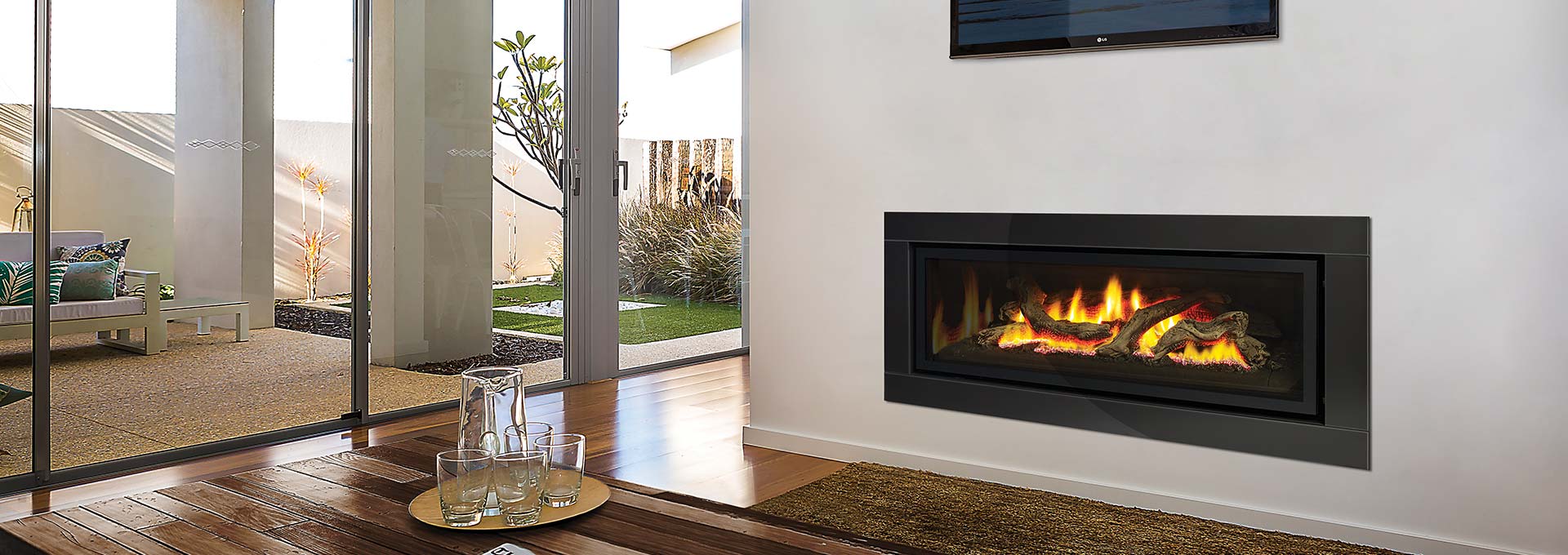
I get genuine, substantial heat that warms my living space effectively. My unit produces 20,000 BTUs, enough to heat my 450 square foot room comfortably even on very cold days. The built-in blower distributes heat efficiently throughout the space. I’ve successfully used it as my primary heat source on moderately cold days, supplementing with central heat only during extreme cold. The ambiance is beautiful, but the heating performance absolutely lives up to expectations.
What about the smell and air quality concerns people mention?
I experienced a slight odor during the first ten hours of operation as manufacturing residues burned off, which is normal. After that break-in period, I noticed no smell during regular operation. Air quality hasn’t been an issue because combustion is very clean. I do crack a window slightly during extended use for fresh air circulation, and I run a small air purifier nearby. These simple steps have kept my indoor air quality excellent throughout three winters.

Can I install a ventless fireplace myself to save money?
I strongly recommend against DIY installation unless you’re a licensed gas technician. Gas line work requires expertise, permits, and inspections for safety and legal compliance. My professional installation included proper sizing of gas lines, pressure testing, safety checks, and code compliance verification. The $800 I paid for installation bought peace of mind and ensured everything met safety standards. Improper installation could create dangerous situations or void warranties, making professional installation worthwhile.
How does humidity from combustion byproducts affect my home?
I noticed slight window condensation during my first week of use, which concerned me initially. Ventless units do produce water vapor as a combustion byproduct, adding humidity to your space. In dry winter air, this can actually be beneficial, but excessive moisture requires management. I address this by cracking a window slightly during extended operation and running a dehumidifier if needed. Proper room sizing per manufacturer specifications prevents moisture issues in most cases.
Best Vent-Free (Ventless) Fireplaces
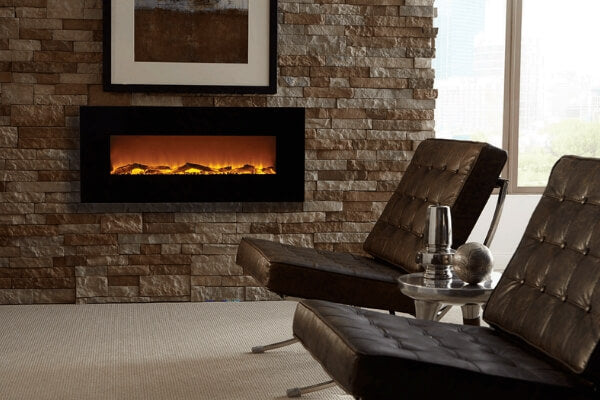
Contemporary Gas Fireplaces SÓLAS Fires
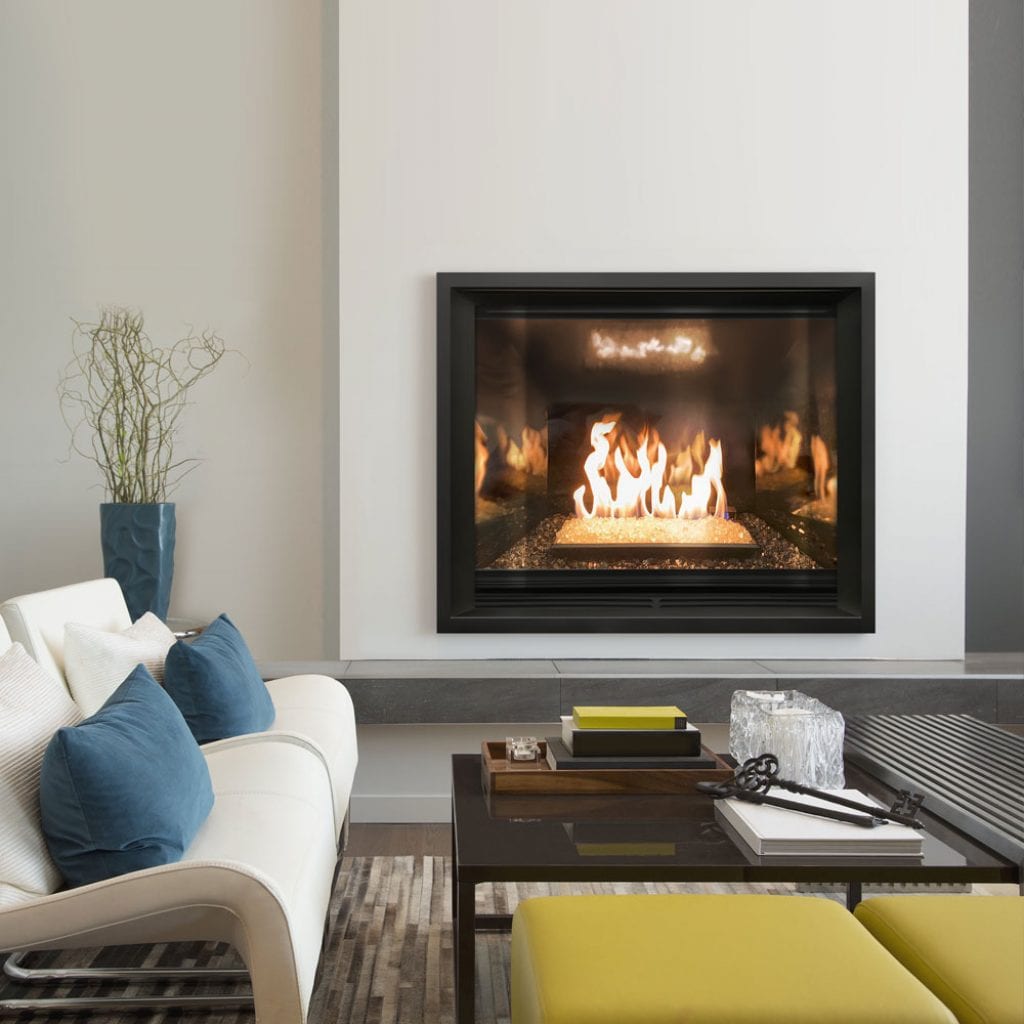
H Series by European Home Modern Corner Fireplace Vent Free Gas
Related Posts: