When I moved into my open-concept home three years ago, I was stumped by an awkward corner in my living room that seemed to collect dust and random furniture. After months of struggling with the layout, I decided to install a corner gas fireplace, and it completely transformed not just that space, but the entire feel of my home. The process taught me so much about maximizing unused corners, dealing with gas lines and ventilation, and creating warmth both literally and figuratively in my living space. Now, as I sit here writing this with the gentle flames dancing beside me, I can’t imagine my home without this beautiful centerpiece that brings our family together every evening.
Choosing the Perfect Corner Gas Fireplace Design
The variety of corner gas fireplace designs available completely overwhelmed me at first. I spent weeks visiting showrooms and browsing online catalogs, trying to understand the differences between direct vent, ventless, and B-vent models. Eventually, I learned that direct vent was the safest and most efficient option for my situation, since it draws air from outside and exhausts combustion gases directly outdoors. This meant I could install it virtually anywhere without worrying about existing chimney infrastructure.
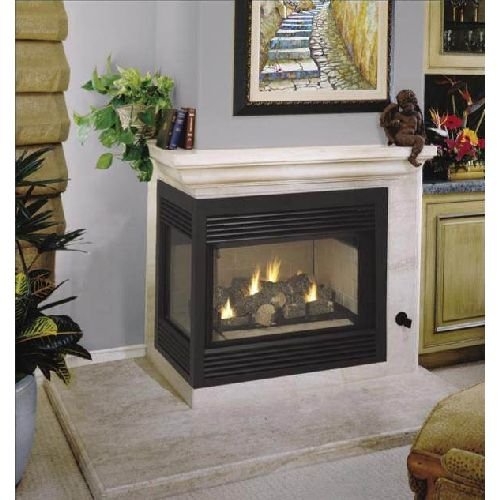
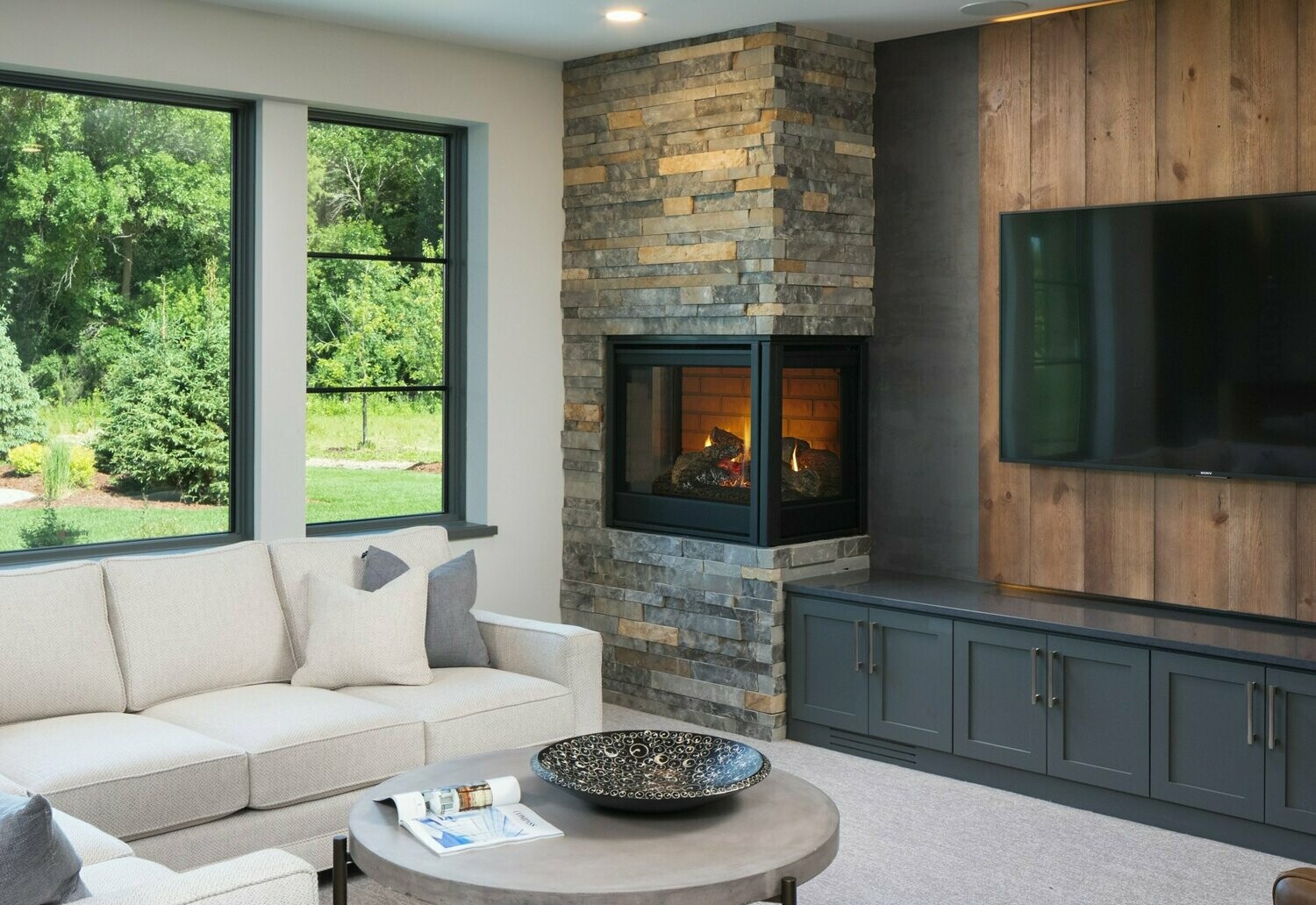
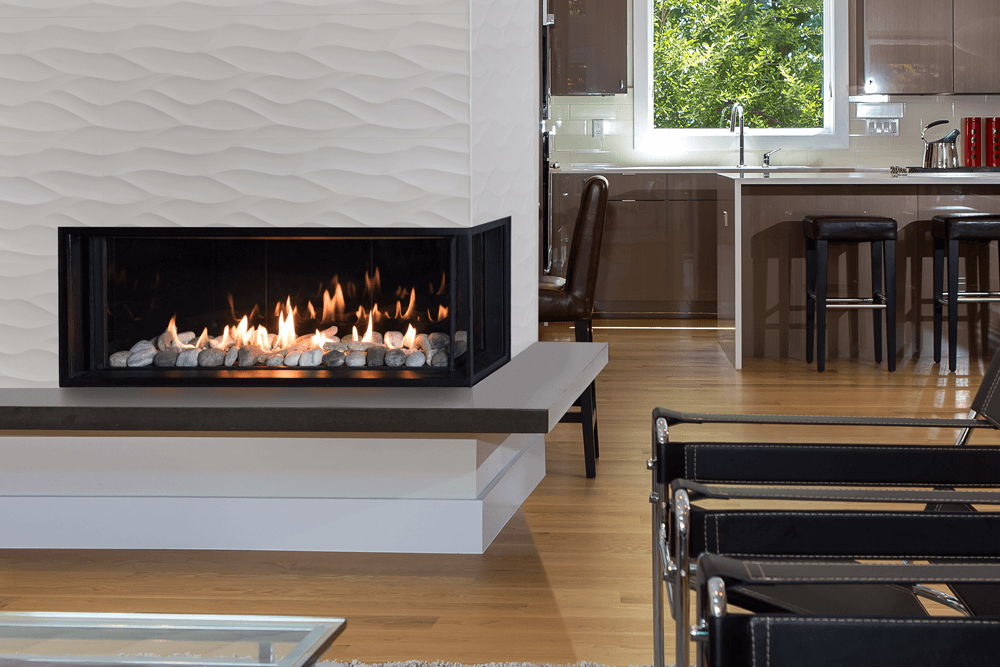
I fell in love with a contemporary linear design that featured a see-through viewing area on two sides, perfect for my corner installation. The clean lines and modern aesthetic complemented my home’s design, while the two-sided viewing allowed me to enjoy the flames from both my living room and dining area. The unit I chose had realistic ceramic logs and a remote control system that made operation incredibly convenient.
The size considerations were crucial for my space planning. I measured everything three times to ensure proper clearances from walls and furniture. My contractor explained that corner installations often require custom framing and finishing work, so I budgeted extra for these details. The final result was a seamless integration that looked like it had always been part of my home’s original design plan.
Installation Process and Professional Requirements
I quickly learned that installing a corner gas fireplace isn’t a DIY project, despite my confidence with home improvement tasks. The combination of gas line work, electrical connections, and ventilation requirements meant I needed licensed professionals for safety and code compliance. My contractor walked me through the process, explaining each step and helping me understand what to expect during the three-day installation timeline.
The first day involved running the gas line from my basement to the corner location and creating the necessary framing for the fireplace surround. I was amazed by how much structural work was required to create a safe, code-compliant installation. The gas line work required a licensed plumber, while the electrical connections for the ignition system and optional fan needed a certified electrician. Coordinating these different trades took careful planning.
Day two focused on the actual fireplace installation and venting system. Watching the technicians carefully position the unit and connect all the components gave me confidence in the professional approach. The direct vent system required cutting through my exterior wall and installing the terminal cap, which needed precise measurements to ensure proper clearances from windows and other openings. By day three, the finishing work was complete, and we were ready for the final inspection and first lighting.

Ventilation and Safety Considerations
Understanding the ventilation requirements for my corner gas fireplace was crucial for both safety and efficiency. Direct vent systems like mine create a sealed combustion chamber that doesn’t affect indoor air quality, which was important since my home is tightly sealed for energy efficiency. The vent terminal had to be positioned carefully to meet manufacturer specifications and local building codes for clearances from windows, doors, and property lines.
I learned that proper installation of the venting system directly impacts the fireplace’s performance and safety. My installer showed me how the coaxial venting works, with the inner pipe carrying exhaust gases out while the outer pipe brings fresh combustion air in. This design prevents any combustion byproducts from entering my living space, even if there are changes in air pressure or wind conditions outside.
Safety features built into modern corner gas fireplaces impressed me greatly. My unit includes oxygen depletion sensors, automatic shut-off valves, and temperature limit switches that provide multiple layers of protection. The tempered glass front stays relatively cool during operation, though I still installed a decorative screen to keep curious pets and children at a safe distance. Regular annual inspections ensure all safety systems continue operating properly.
Design Integration and Surrounding Décor
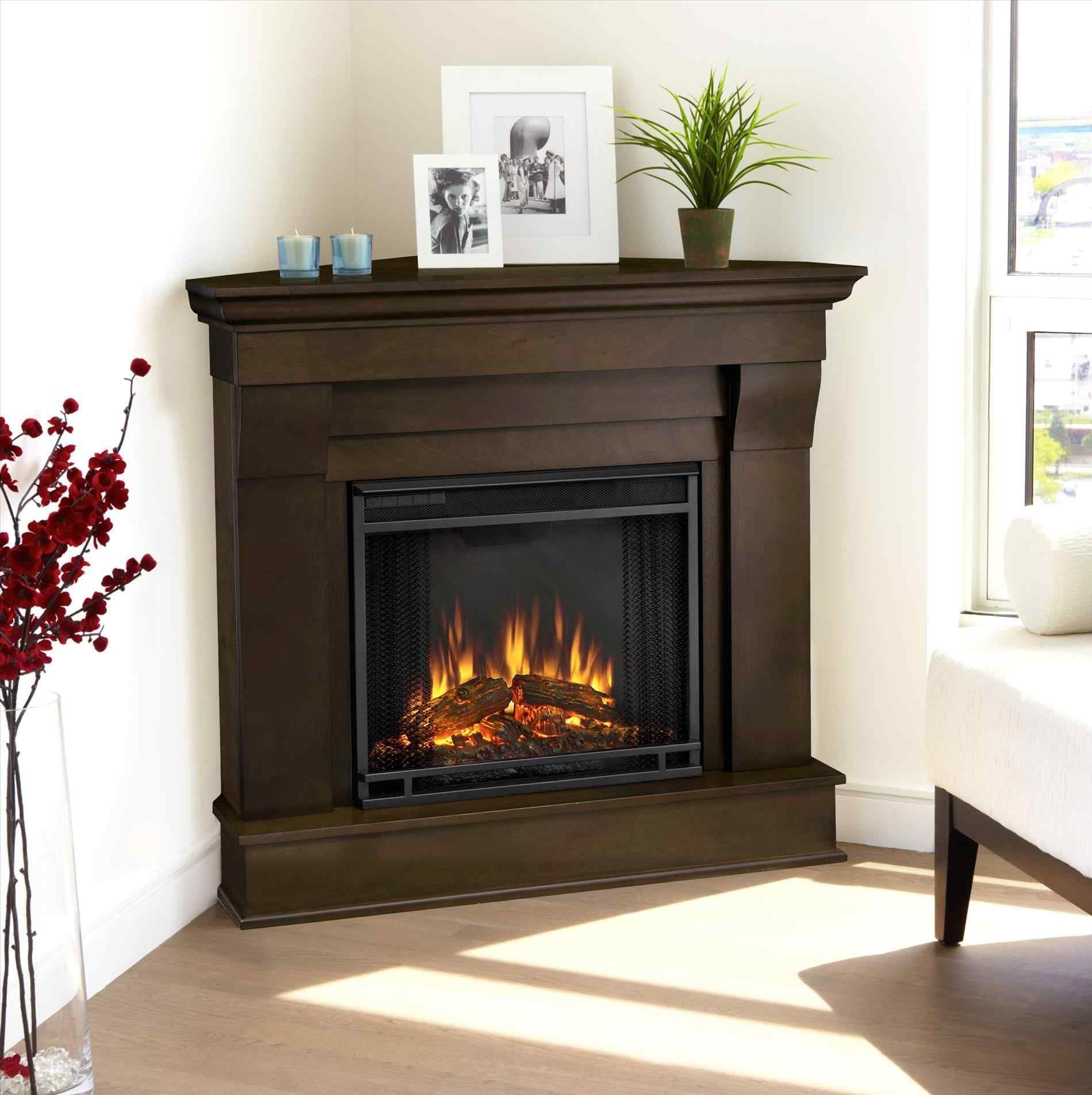
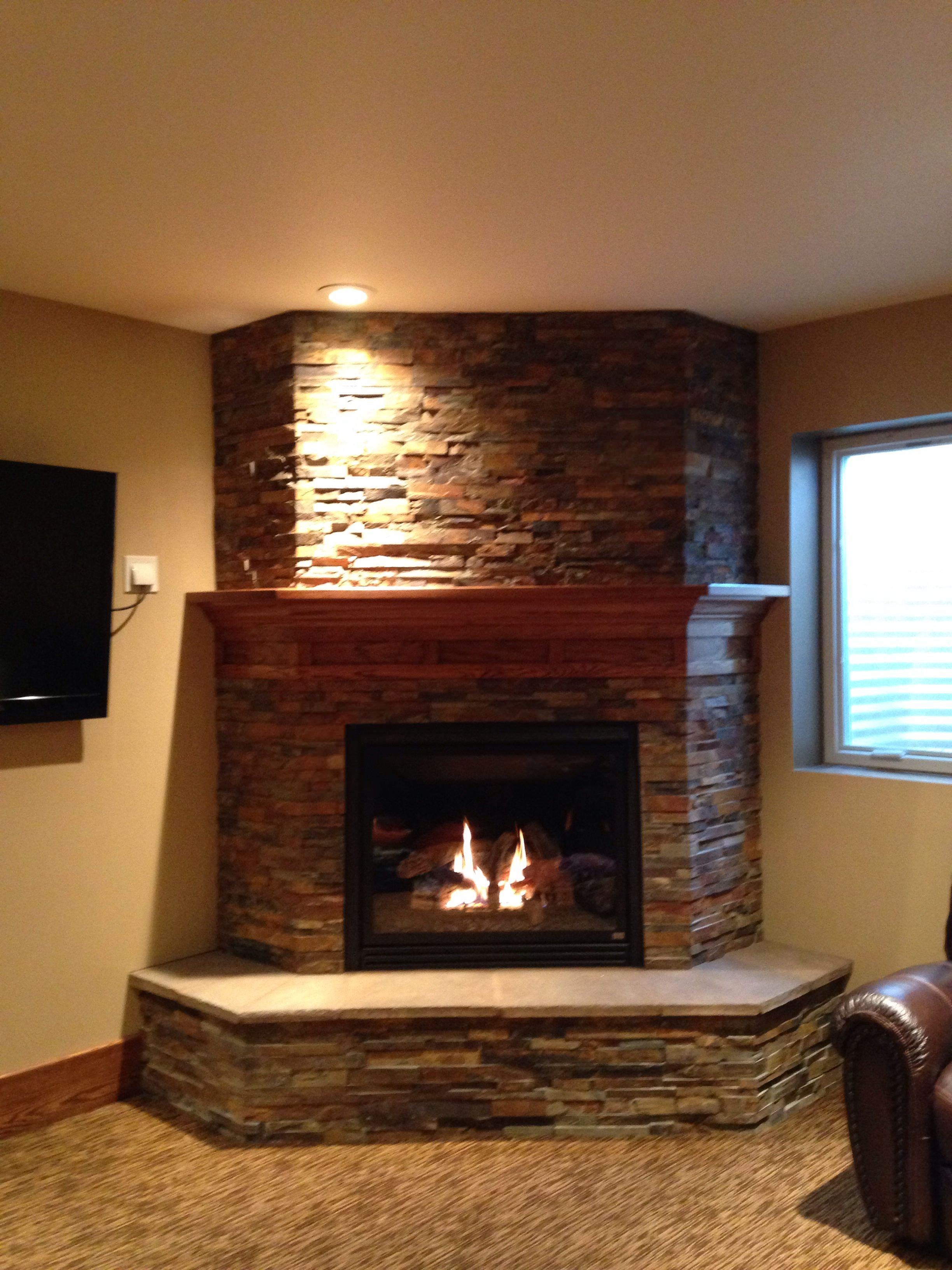
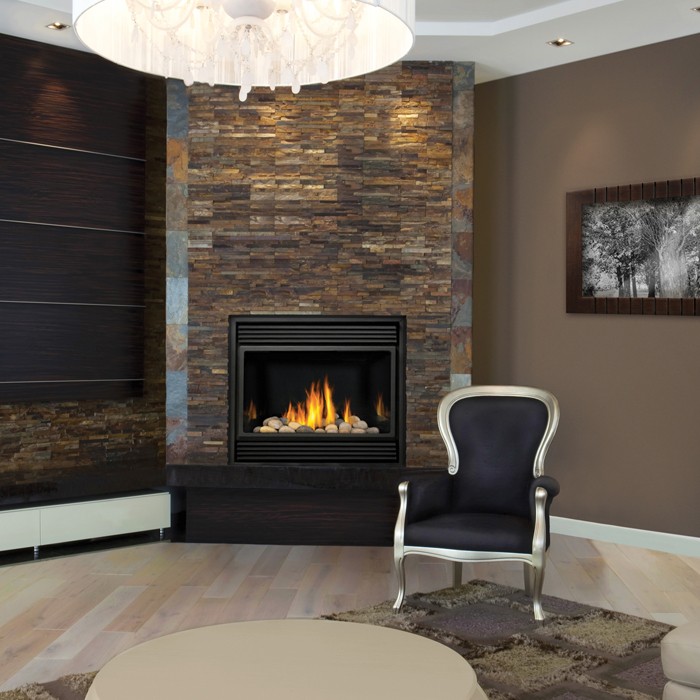
Creating a cohesive design around my corner gas fireplace required careful consideration of the surrounding space and furnishings. I chose a floor-to-ceiling stone surround that wrapped around both sides of the corner, creating a dramatic focal point that anchored the entire room. The natural stone provided texture and visual weight that balanced the modern fireplace design beautifully.
The mantel design challenged me initially because corner installations don’t follow traditional fireplace proportions. I worked with a local woodworker to create a custom floating mantel that wrapped around the corner, providing display space for artwork and seasonal decorations. The clean lines complemented the fireplace’s contemporary aesthetic while adding warmth through the natural wood grain and honey-colored stain.
Furniture arrangement around the corner fireplace opened up new possibilities for my room layout. I positioned my sectional sofa to create an intimate seating area facing the corner, with additional chairs arranged to take advantage of the two-sided viewing capability. The result is a cozy conversation area that draws people together naturally. The improved traffic flow throughout the room was an unexpected bonus that made the entire space feel larger and more functional.

Operating Costs and Energy Efficiency
Before installation, I carefully researched the operating costs of my corner gas fireplace to understand the long-term financial impact. Natural gas prices in my area made it an economical heating option, especially for the zone heating concept I wanted to implement. Running the fireplace for three hours on a typical evening costs me approximately $1.50, making it affordable for regular use during the heating season.
The efficiency ratings of modern gas fireplaces surprised me with their impressive performance. My unit operates at 78% efficiency, meaning most of the gas energy converts to usable heat rather than going up the chimney. The variable flame control allows me to adjust heat output to match the outdoor temperature and my comfort needs. On mild evenings, I often run it on low just for the ambiance, using minimal gas while creating maximum visual impact.
I’ve noticed a significant reduction in my overall heating bills since installing the corner gas fireplace. By heating the main living areas with the fireplace and turning down the central heating system, I save approximately $40-60 per month during the winter season. The zone heating approach makes perfect sense for our family’s lifestyle, since we spend most of our evening time in the living room area, where the fireplace provides warmth and comfort.
Maintenance and Long-Term Care
Maintaining my corner gas fireplace has been surprisingly simple compared to what I expected from previous experiences with wood-burning fireplaces. Annual professional servicing includes cleaning the glass, inspecting the venting system, and testing all safety components. My technician explained that gas fireplaces require much less maintenance than traditional wood-burning units because there’s no creosote buildup or ash removal to worry about.
Daily maintenance involves only basic cleaning of the glass doors when they become dusty or spotted. I use a commercial fireplace glass cleaner and a soft cloth to maintain the clear view of the flames. The ceramic logs occasionally need dusting, but they’ve maintained their realistic appearance without any deterioration after three years of regular use. The remote control batteries need replacement about once per year.
Long-term care focuses on protecting the investment I’ve made in this home improvement. I keep service records from annual inspections and maintain the manufacturer’s warranty by using only authorized service technicians. The stone surround requires occasional sealing to maintain its appearance and protect against moisture damage. Overall, the maintenance requirements are minimal compared to the enjoyment and value the fireplace adds to my home.
How much does it cost to install a corner gas fireplace?
My total investment was $4,500, including the unit, professional installation, gas line, and stone surround. Costs vary widely based on model choice and site requirements. Budget $3,000-8,000 for most installations. The efficiency savings on heating bills help offset the initial cost over time.
Can I install a corner gas fireplace in any room?
Most rooms can accommodate a corner gas fireplace with proper planning. You need access for gas lines, electrical connections, and exterior venting. My installer evaluated structural requirements and building codes before proceeding. Bedrooms and bathrooms have special restrictions in most areas.
How much heat does a corner gas fireplace produce?
My unit produces 30,000 BTUs, effectively heating about 1,200 square feet. The corner placement distributes heat well throughout my open-concept space. Heat output varies by model size and efficiency ratings. Consider your room size and insulation when selecting the appropriate BTU rating for your needs.
Are corner gas fireplaces safe with children and pets?
Yes, with proper precautions. The glass front stays cooler than traditional fireplaces, but I still use a protective screen. Modern safety features include automatic shut-offs and oxygen sensors. I taught my kids about fireplace safety and always supervise when it’s operating. Pet-safe doesn’t mean unsupervised access.
Do corner gas fireplaces require a chimney?
No, direct vent models like mine don’t need an existing chimney. The venting system goes directly through an exterior wall. This makes installation possible in many locations where traditional fireplaces wouldn’t work. The professional installation ensures proper venting and code compliance for safe operation.
How often should I service my corner gas fireplace?
I have mine professionally serviced annually before the heating season begins. This includes cleaning, safety inspections, and testing all components. Between services, I clean the glass and dust the logs as needed. Following the manufacturer’s maintenance schedule protects the warranty and ensures safe operation.
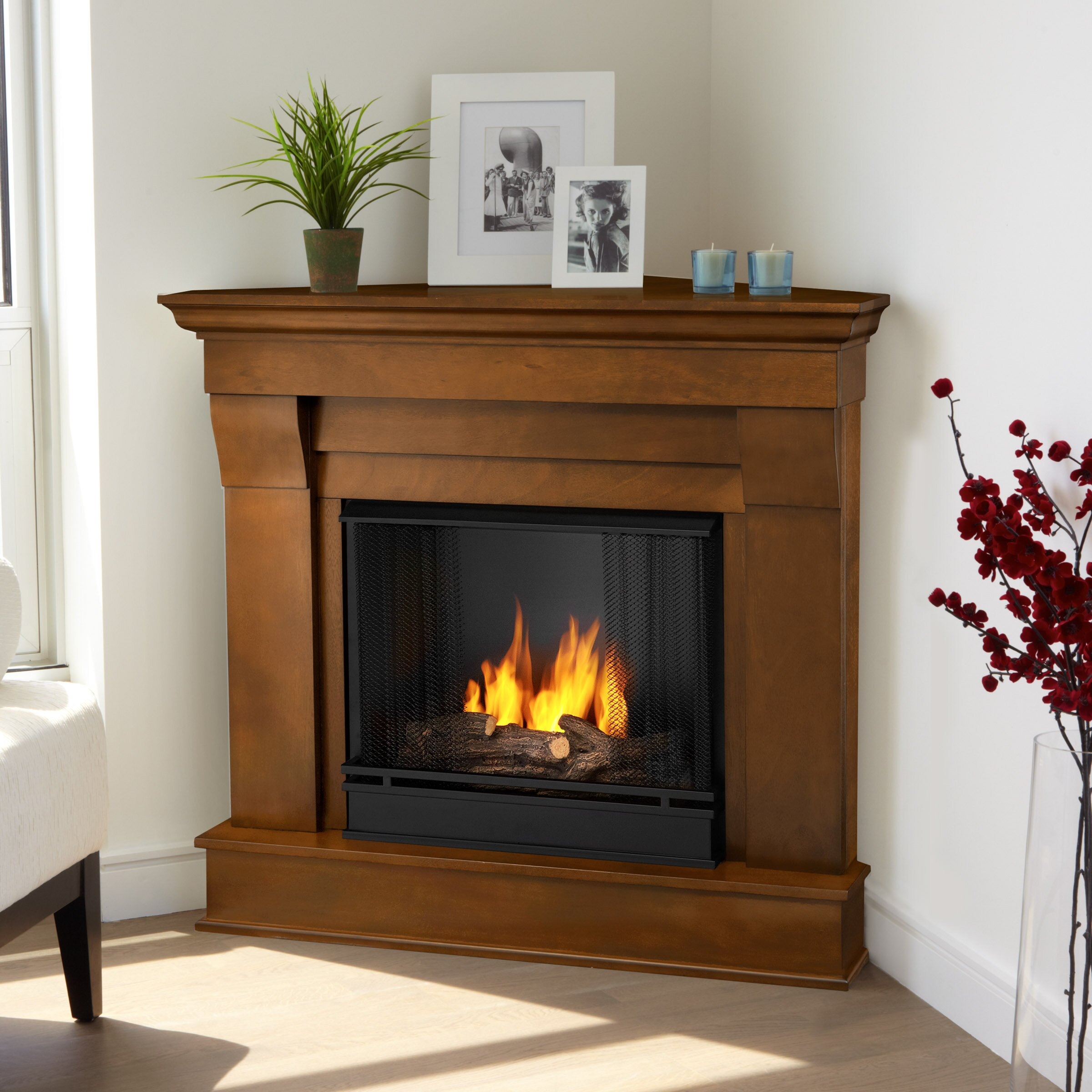
Heat & Glo Left/Right Corner Gas Fireplace Gas Fireplaces
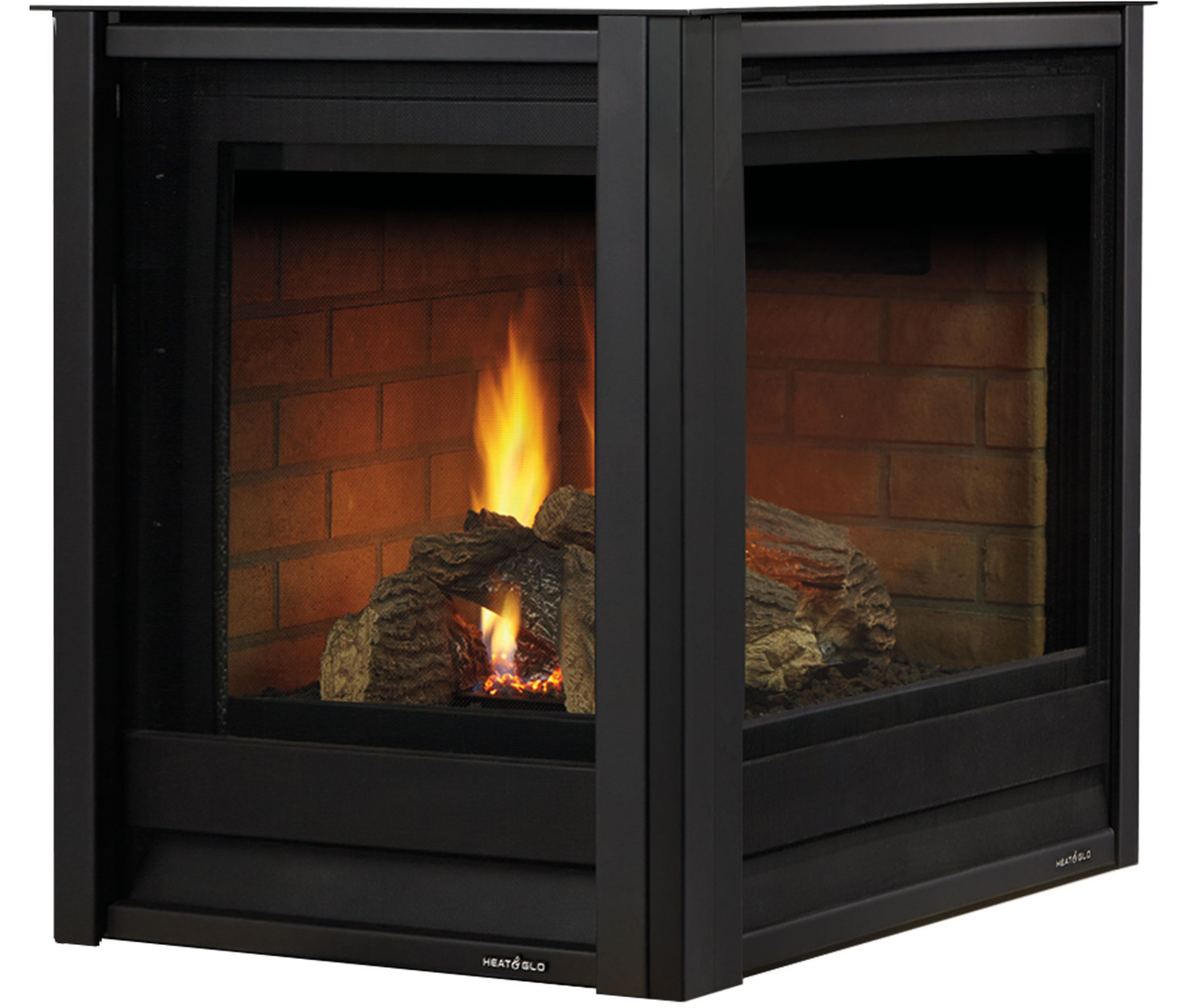
Corner Fireplace Designs – Angled Interior Ideas

The Corner Gas Fireplace . . . A Great Way To Maximize Your Space!
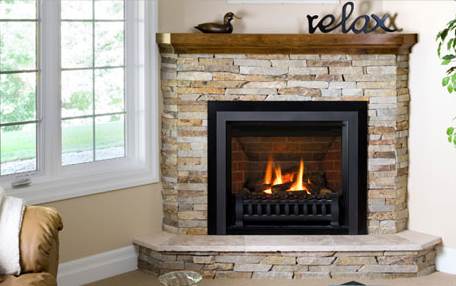
LX2 3-Sided and Corner Gas Fireplaces Valor Gas Fireplaces
Related Posts: