When I first started dreaming about an outdoor fireplace, I had no idea what I was getting myself into. What began as a simple desire to extend our outdoor entertaining season turned into a two-year journey of research, planning, and construction that completely transformed our backyard. My stone fireplace has become the heart of our outdoor space, drawing family and friends together for countless memorable evenings. The warmth, ambiance, and functionality it provides have exceeded every expectation I had when I first sketched out my ideas on a napkin during a chilly autumn barbecue.
Choosing the Right Stone for Your Climate and Style
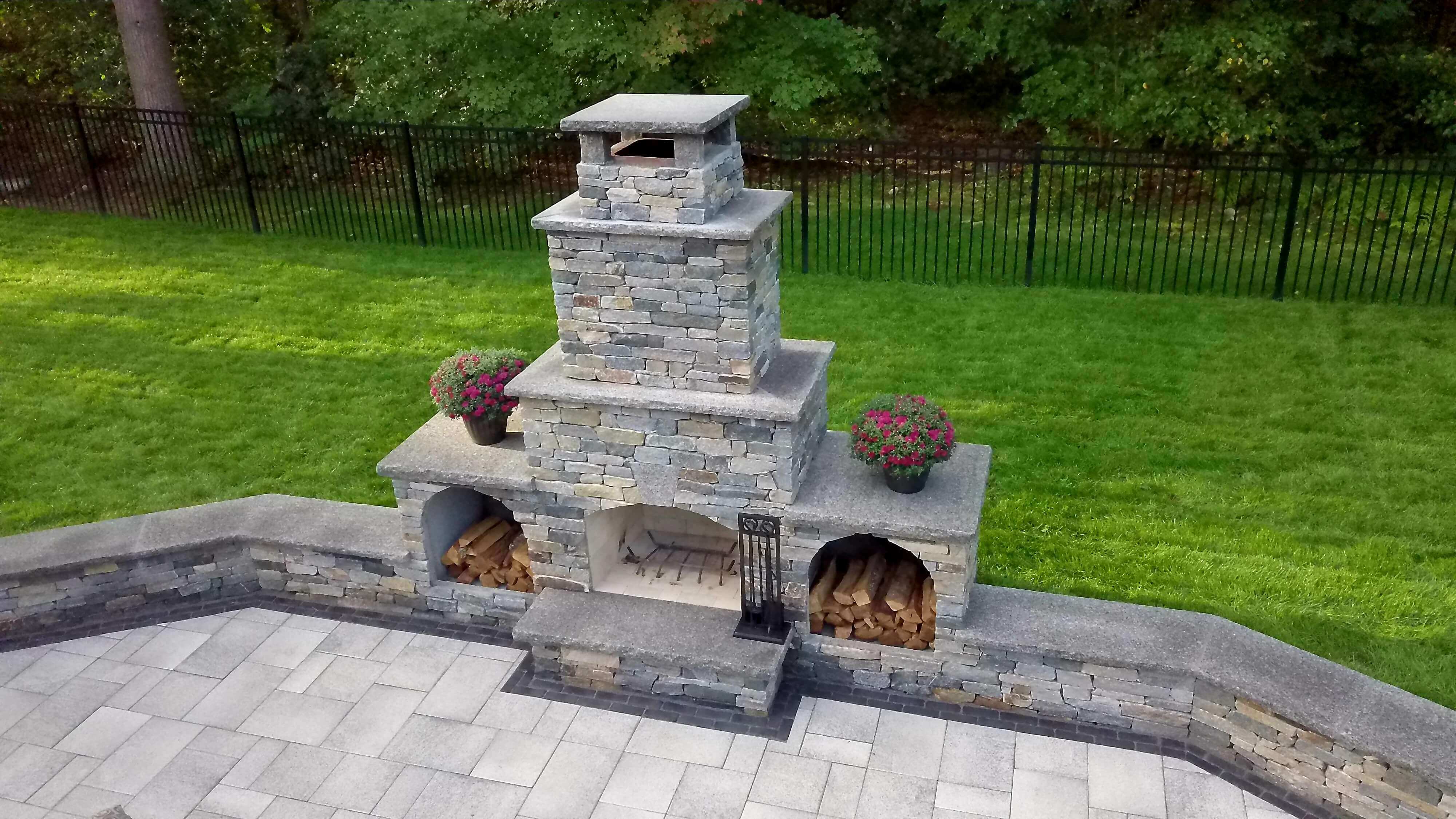
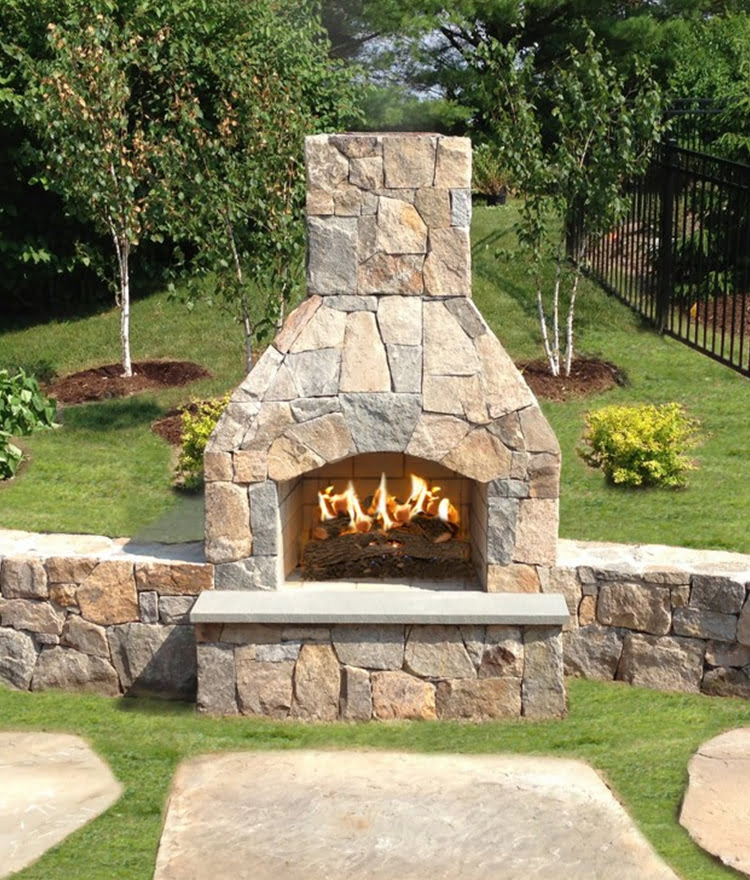
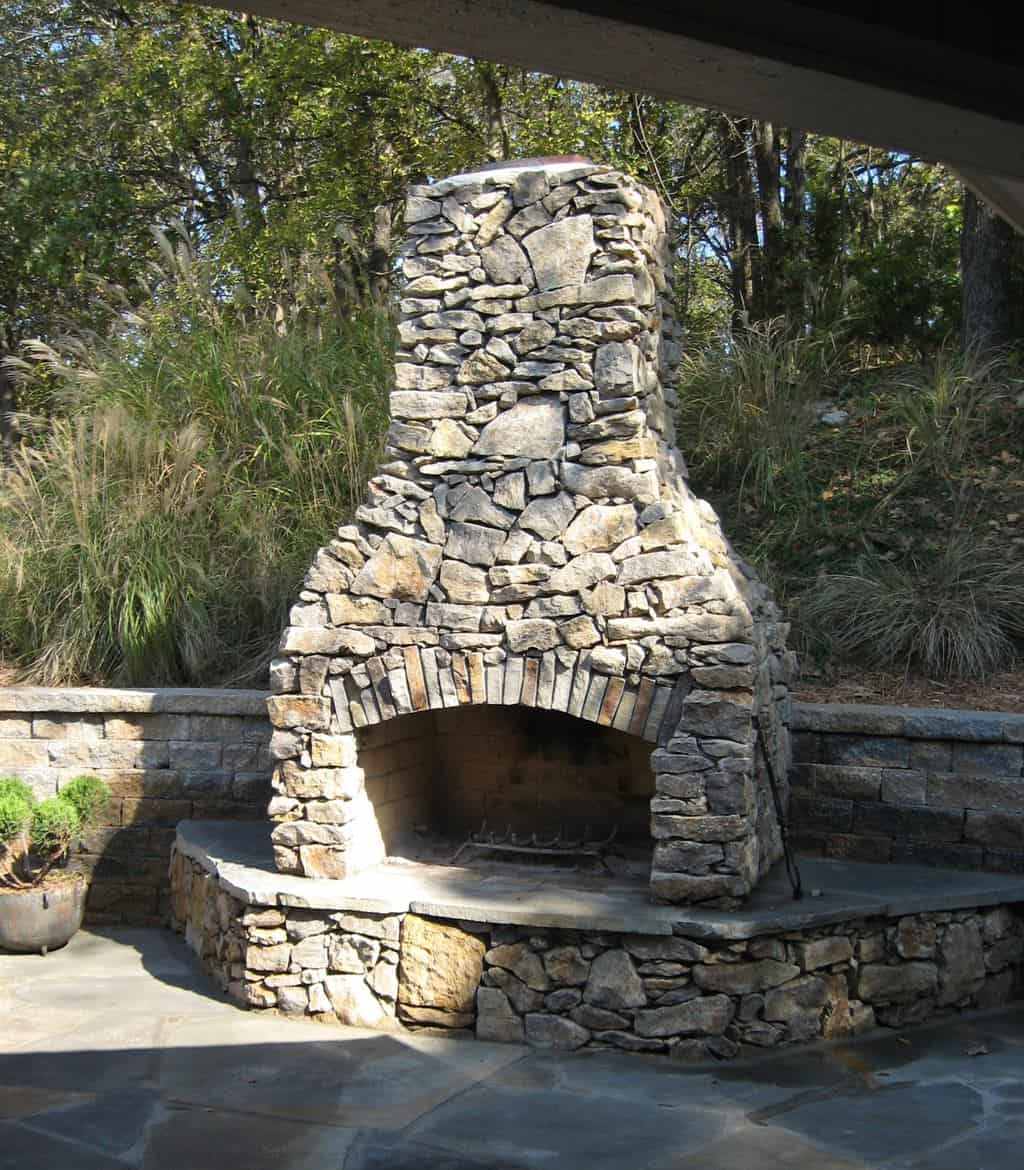
I spent months researching different stone options before settling on fieldstone for my fireplace project. The irregular shapes and natural color variations created the rustic, organic look I wanted while providing excellent durability for our harsh winter climate. Fieldstone weathers beautifully and develops character over time, which appealed to my desire for a timeless rather than trendy appearance. The local quarry had an abundant supply, keeping costs reasonable while supporting local business.
Limestone became my second choice after seeing a neighbor’s stunning installation, but I ultimately decided against it due to maintenance concerns in our freeze-thaw climate. The softer stone requires more careful sealing and regular upkeep to prevent weathering and staining. While beautiful when new, limestone can develop a weathered patina that some homeowners love and others find concerning. I preferred the low-maintenance qualities of harder stone options for a feature I planned to enjoy for decades.
Manufactured stone offered an attractive middle ground between natural stone costs and authentic appearance, though I chose to invest in the real thing for this focal point feature. Many of my neighbors have used manufactured stone successfully, achieving beautiful results at lower costs and with easier installation. The quality has improved dramatically in recent years, making it a viable option for budget-conscious projects. I recommend seeing samples in person since photos don’t always capture the texture and color variations accurately.
Planning Your Fireplace Location and Size
Site selection proved more complex than I initially anticipated, requiring careful consideration of prevailing winds, proximity to structures, and local building codes. I learned that our city requires outdoor fireplaces to be at least fifteen feet from the house and property lines, which significantly limited my placement options. Working with the fire department during the planning phase helped me understand safety requirements and avoid costly mistakes. The permit process took longer than expected, so I recommend starting early.
Size proportions challenged my initial grand vision when I realized how imposing a large fireplace would appear in our modest backyard space. I scaled back from my original eight-foot-wide design to a more proportionate six-foot width that still provides impressive presence without overwhelming the patio area. The height required careful calculation to ensure proper draft while maintaining pleasing proportions. I sketched multiple designs and even built cardboard mockups to visualize the final scale.
Seating arrangements influenced my final design decisions more than I expected, as the fireplace needed to accommodate our typical gathering size while allowing for traffic flow around the patio. I planned for eight to ten people to comfortably enjoy the fire simultaneously, which dictated the firebox opening size and overall fireplace dimensions. The surrounding hardscape design evolved to create natural conversation areas at varying distances from the fire, accommodating different preferences for warmth and intimacy.

Foundation and Construction Basics
Excavation for the foundation taught me to respect underground utilities and the importance of calling for locates before digging. I hit an unexpected sprinkler line during the first day of digging, creating an impromptu water feature that delayed construction and added repair costs. The concrete foundation required more depth than I anticipated due to frost line requirements in our climate. Proper drainage became crucial for preventing frost heaving and structural damage over time.
Building codes required engineered plans for my fireplace design, which initially frustrated me but ultimately ensured a safe, durable structure. The structural requirements for the chimney and firebox exceeded my DIY capabilities, so I hired professionals for the critical components while handling the stone veneer work myself. This hybrid approach saved money while ensuring safety and code compliance. I learned that some aspects of fireplace construction are too important to risk inexperience.
Weather delays became a constant challenge during construction, as stone work requires dry conditions for proper mortar curing. I built a temporary shelter system that allowed work to continue during light rain, but had to halt construction completely during heavy storms or freezing temperatures. Planning for weather delays and seasonal construction limitations helped manage expectations and prevent rushed work that could compromise quality. Patience became essential for achieving professional results.
Stone Selection and Installation Techniques
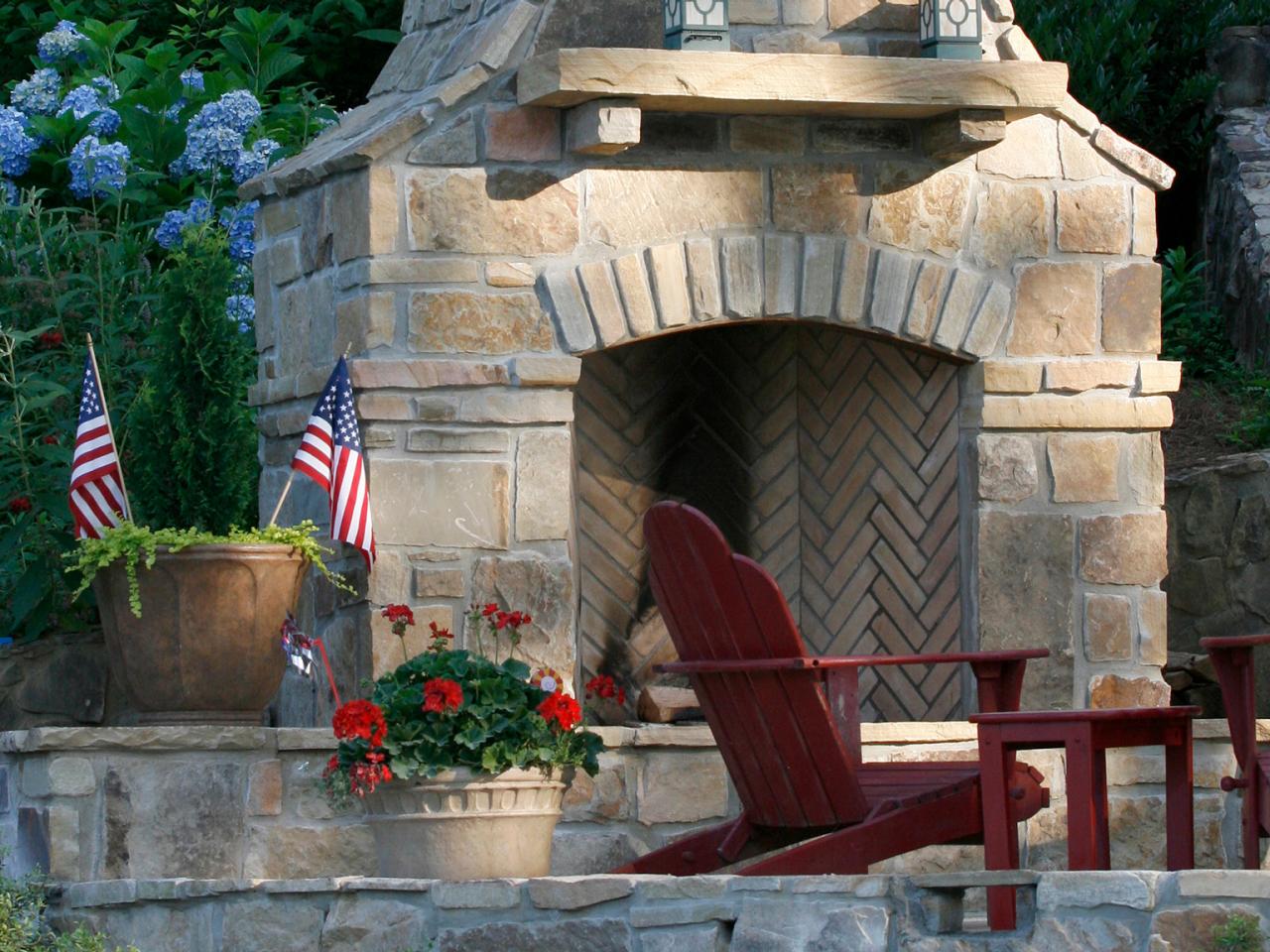
Sorting and organizing stones before installation saved countless hours and prevented frustration during the building process. I spent an entire weekend laying out stones by size, shape, and color, creating a system that allowed me to quickly find the right piece for each spot. This preparation phase felt tedious at the time, but proved invaluable when working with mortar that has limited working time. Having a helper to fetch specific stones while I focused on placement made the process much more efficient.
Mortar mixing became an art form that required practice to achieve consistent color and workability throughout the project. I learned that small batches work better than large ones, preventing waste when weather or other factors interrupt work. The mortar color significantly impacts the final appearance, so I tested several mix ratios on sample sections before committing to the main installation. Consistent mixing techniques and timing helped achieve uniform results across the entire fireplace.
Stone cutting and shaping challenged my tool collection and required investment in proper equipment for professional results. A wet saw became essential for precise cuts, while hand tools handled smaller adjustments and detail work. I learned that planning cuts in advance and working with natural stone shapes whenever possible reduces waste and creates more authentic-looking joints. Taking time to fit stones carefully rather than forcing inappropriate pieces resulted in a much more pleasing final appearance.

Safety Considerations and Code Compliance
Fire safety became my top priority after researching local fire department statistics on outdoor fireplace incidents. I installed spark screens, maintained proper clearances from combustible materials, and established clear safety protocols for our family gatherings. A fire extinguisher and garden hose remain easily accessible whenever we use the fireplace. Teaching children and guests about safe practices around open fires prevents accidents and ensures everyone can enjoy the space confidently.
Building permits required more documentation and inspections than I expected, but the process ensured my fireplace meets all safety standards. The inspector caught several issues during construction that could have created problems later, validating the value of professional oversight. I learned that working with officials rather than around them creates better outcomes and prevents costly modifications after completion. The permit fees seemed expensive initially, but proved worthwhile for the peace of mind they provide.
Insurance implications surprised me when my homeowner’s policy required notification and evaluation of the new fireplace structure. The addition increased our property value significantly while adding only modest premium increases. Some insurance companies offer discounts for properly constructed outdoor fireplaces that meet safety standards. I recommend checking with your insurance agent early in the planning process to understand any requirements or implications for your specific policy.
Maintenance and Seasonal Care
Annual chimney cleaning became a necessary ritual that I initially tried to handle myself before recognizing the value of professional service. The specialized tools and expertise required for thorough cleaning and inspection justify the annual cost, especially considering safety implications. Professional cleaners can identify potential problems before they become dangerous or expensive to repair. I schedule service each fall before the heavy-use season begins.
Stone maintenance varies significantly depending on the type chosen and local weather conditions. I seal the mortar joints annually to prevent water infiltration and freeze damage, while the fieldstone itself requires minimal care beyond occasional cleaning. Power washing works well for removing dirt and organic stains, but I avoid harsh chemicals that might damage the stone or surrounding landscaping. Regular inspection helps catch small problems before they require major repairs.
Winter protection in our climate requires covering the chimney top and firebox to prevent water damage from snow and ice. I invested in custom covers that allow ventilation while blocking precipitation and debris. Removing ashes regularly prevents corrosion and odor problems during the off-season. Spring startup involves a thorough inspection and test firing to ensure everything remains in good working order after months of inactivity.
How much does it typically cost to build an outdoor stone fireplace?
My project cost about $8,000, including permits, foundation, and professional chimney work, though I did much of the stone veneer myself. Costs vary widely based on size, stone choice, and local labor rates. Professional installation typically doubles the material costs. I found that investing in quality materials upfront saves money on repairs and maintenance over time.
Can I build an outdoor fireplace without professional help?
I handled the stone veneer work myself, but hired professionals for the foundation, firebox, and chimney construction due to safety and code requirements. The structural elements require specific expertise and engineering knowledge that most DIYers don’t possess. I recommend getting professional help for anything involving fire safety, structural integrity, or building code compliance.
How do I choose between wood-burning and gas outdoor fireplaces?
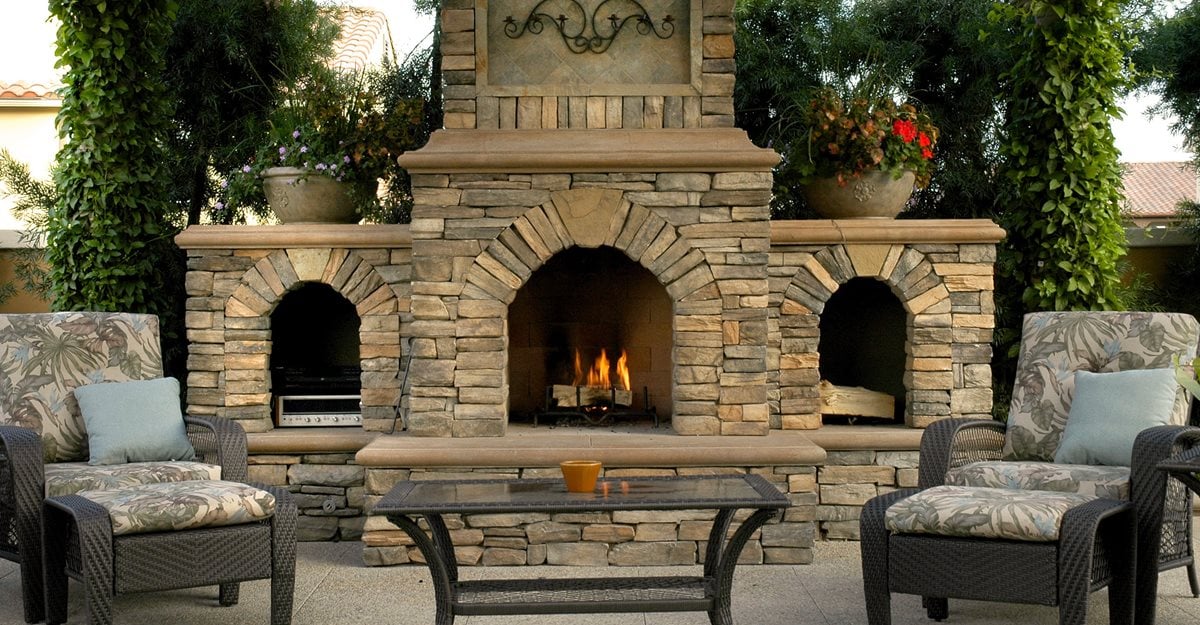
I chose wood-burning for the authentic experience and crackling sounds, though gas offers convenience and consistent heat output. Wood requires more maintenance and ash cleanup, but costs less to operate in most areas. Gas provides instant ignition and precise control but needs professional installation and ongoing fuel costs. Consider your priorities for ambiance versus convenience.
What’s the best time of year to build an outdoor fireplace?
I started construction in late spring to allow completion before winter, though weather delays pushed finishing into early fall. Spring through early fall provides the best conditions for concrete work and stone installation. Winter construction is possible in mild climates but requires special precautions for mortar curing. Plan for longer timelines than expected due to weather interruptions.
How close can an outdoor fireplace be to my house or property lines?
My local codes required fifteen feet from structures and property lines, though requirements vary by location. Check with your building department early in planning, since setback requirements significantly impact placement options. Some areas have additional restrictions based on fire danger ratings or neighborhood density. Professional designers understand local requirements and can help navigate the approval process.
Do outdoor fireplaces add value to your property?
My fireplace added approximately $12,000 to our home’s appraised value against an $8,000 investment, though returns vary by market and quality of construction. The lifestyle benefits and entertainment value justify the cost even without considering financial returns. Well-built outdoor fireplaces appeal to buyers and can help homes sell faster in competitive markets, especially in areas with extended outdoor seasons.
Stone Age Fireplaces Stone Age Manufacturing
Related Posts: