When I moved into my current home four years ago, I was faced with an oddly shaped living room that had a challenging corner space that felt wasted and awkward. The previous owners had tried to fill it with a large entertainment center, but it just made the room feel cramped and unbalanced. After living with this layout for several months, I realized that installing a corner stone fireplace could be the perfect solution to transform this dead space into the stunning focal point my room desperately needed.
What followed was an incredible journey of research, planning, and construction that not only solved my layout problem but also completely changed the entire feel and function of my living space. The process taught me so much about stone selection, fireplace design, and the incredible impact that a well-placed corner fireplace can have on room flow and ambiance. Now, two years after completion, my cornerstone fireplace remains the crown jewel of my home and the gathering place where family and friends naturally congregate.
Choosing the Right Stone Materials for Corner Fireplace Construction
Selecting the perfect stone for my corner fireplace became an obsession that consumed weeks of research and countless visits to stone yards and home improvement stores. I quickly learned that not all stones are created equal when it comes to fireplace construction, especially in corner applications where the visual impact needs to be strong enough to anchor the entire room. Natural fieldstone, cultured stone, and manufactured stone each offered different advantages in terms of appearance, cost, and installation requirements that I needed to carefully evaluate.
My first consideration was the overall aesthetic I wanted to achieve in my living space. I gravitated toward natural fieldstone for its authentic, rustic character, but I also explored sleeker manufactured options that could provide a more contemporary look. The corner location meant the fireplace would be visible from multiple angles, so I needed stone with consistent color and texture that would look good from every viewpoint. I collected samples and lived with them for weeks, observing how they looked under different lighting conditions throughout the day.
The practical aspects of stone selection proved just as important as the aesthetic considerations. Weight became a major factor since corner fireplaces often require additional structural support, and heavier natural stones could impact foundation requirements and installation costs. I also learned about heat resistance properties and thermal expansion characteristics that could affect long-term performance. After extensive research and consultation with contractors, I chose a cultured stone that provided the natural look I wanted with better consistency and lighter weight for easier installation.
Designing Corner Fireplaces to Maximize Room Flow and Function
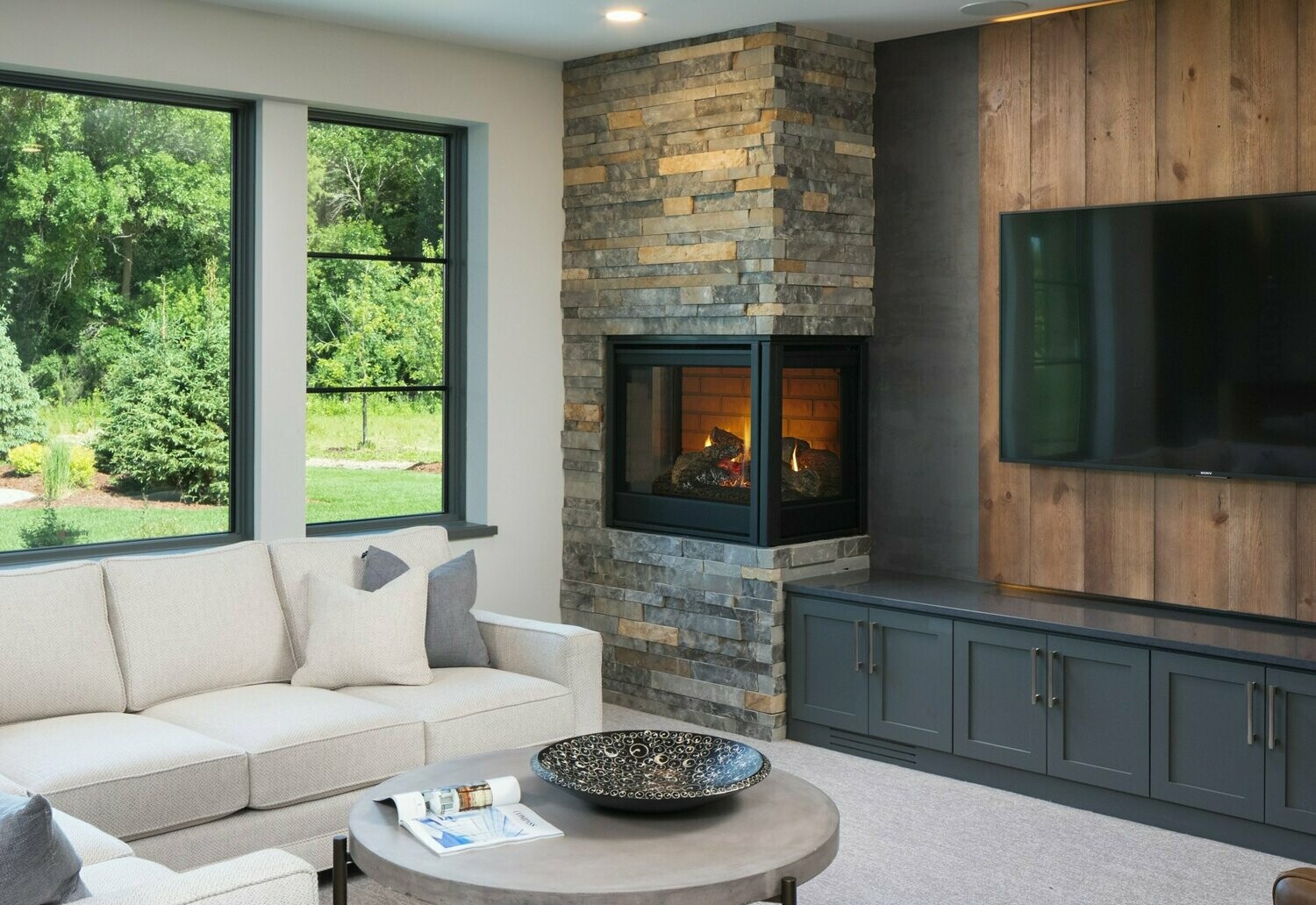
Planning the design of my corner stone fireplace required careful consideration of how it would impact the flow and functionality of my living space. Corner fireplaces present unique opportunities and challenges compared to traditional wall-mounted units, particularly in how they interact with furniture placement and traffic patterns. I spent considerable time sketching different configurations and using cardboard mock-ups to visualize how various designs would affect my room’s layout and usability.
The angular nature of corner installations offers interesting design possibilities that aren’t available with traditional fireplace placements. I explored options ranging from simple corner inserts that tuck neatly into the angle to dramatic floor-to-ceiling installations that extend along both walls. The key was finding the right scale that would provide visual impact without overwhelming my moderately sized living room. I ultimately chose a design that rises about eight feet and extends roughly four feet along each wall, creating a substantial presence without dominating the space.
Integrating the fireplace with my existing room elements required creative problem-solving and careful planning. I needed to consider how the stone work would interact with my hardwood floors, crown molding, and existing electrical outlets. The corner location also affected sight lines from different areas of the room, so I designed the hearth and mantel heights to ensure optimal viewing from my primary seating areas. Working with an experienced designer helped me balance these functional requirements with the aesthetic goals I had for the finished fireplace.

Installation Challenges and Solutions for Corner Stone Fireplaces
The installation process for my corner stone fireplace presented several unique challenges that I hadn’t fully anticipated during the planning phase. Corner installations require specialized structural considerations since the fireplace essentially spans two walls and creates concentrated loads at the corner intersection. My contractor had to reinforce the foundation and framing to ensure adequate support for the substantial weight of the stone work and fireplace components, which added time and cost to the project.
Accessing utilities for corner fireplace installation proved more complex than I expected. Gas lines, electrical connections, and venting requirements all had to be routed to the corner location, which sometimes conflicted with existing utilities in the walls. The corner placement also limited access for installation work, making some phases more labor-intensive and time-consuming. My contractor had to be creative with tool placement and work sequences to accomplish the installation efficiently in the confined corner space.
The stone installation itself required meticulous attention to maintaining consistent patterns and alignment across the two wall surfaces that meet at the corner. Achieving smooth transitions at the corner intersection while maintaining the natural, random appearance of the stone pattern challenged even my experienced mason. We used careful planning and selective stone placement to ensure the corner transition looked natural and intentional rather than forced or awkward. The extra time invested in this detail work made a huge difference in the final appearance.
Creative Design Ideas for Corner Stone Fireplace Styling
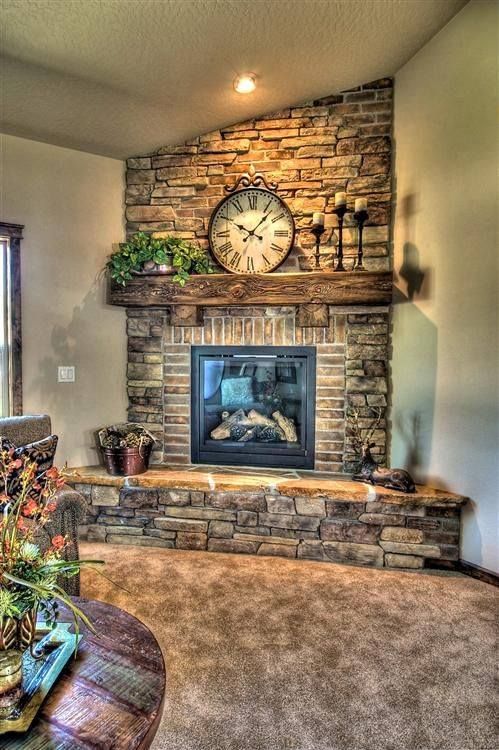
Once the basic structure was in place, I had fun exploring creative design elements that would make my corner stone fireplace truly unique and personalized. The corner location offered opportunities for interesting geometric patterns and mixed materials that wouldn’t work as well with traditional wall-mounted fireplaces. I incorporated reclaimed wood elements as accent beams and used contrasting grout colors to highlight specific stone patterns and create visual interest.
The mantel design became a focal point where I could express creativity while maintaining the overall aesthetic I wanted to achieve. Instead of a traditional single mantel, I created a stepped design that follows the corner angle and provides display space on both sides. This configuration allows for more varied decorating opportunities and helps the fireplace feel integrated with both walls rather than just stuck in the corner. The stepped mantel also provides better proportions for the angular installation.
Lighting integration became an important design element that I hadn’t initially considered but proved essential for showcasing the stone work and creating ambiance. I incorporated subtle accent lighting behind the mantel and in recessed areas of the stone work that highlights texture and creates dramatic shadows in the evening. The corner location allows for interesting lighting angles that wouldn’t be possible with wall-mounted fireplaces, and the effect adds significant visual impact during both day and evening use.
Budget Planning and Cost Management Strategies
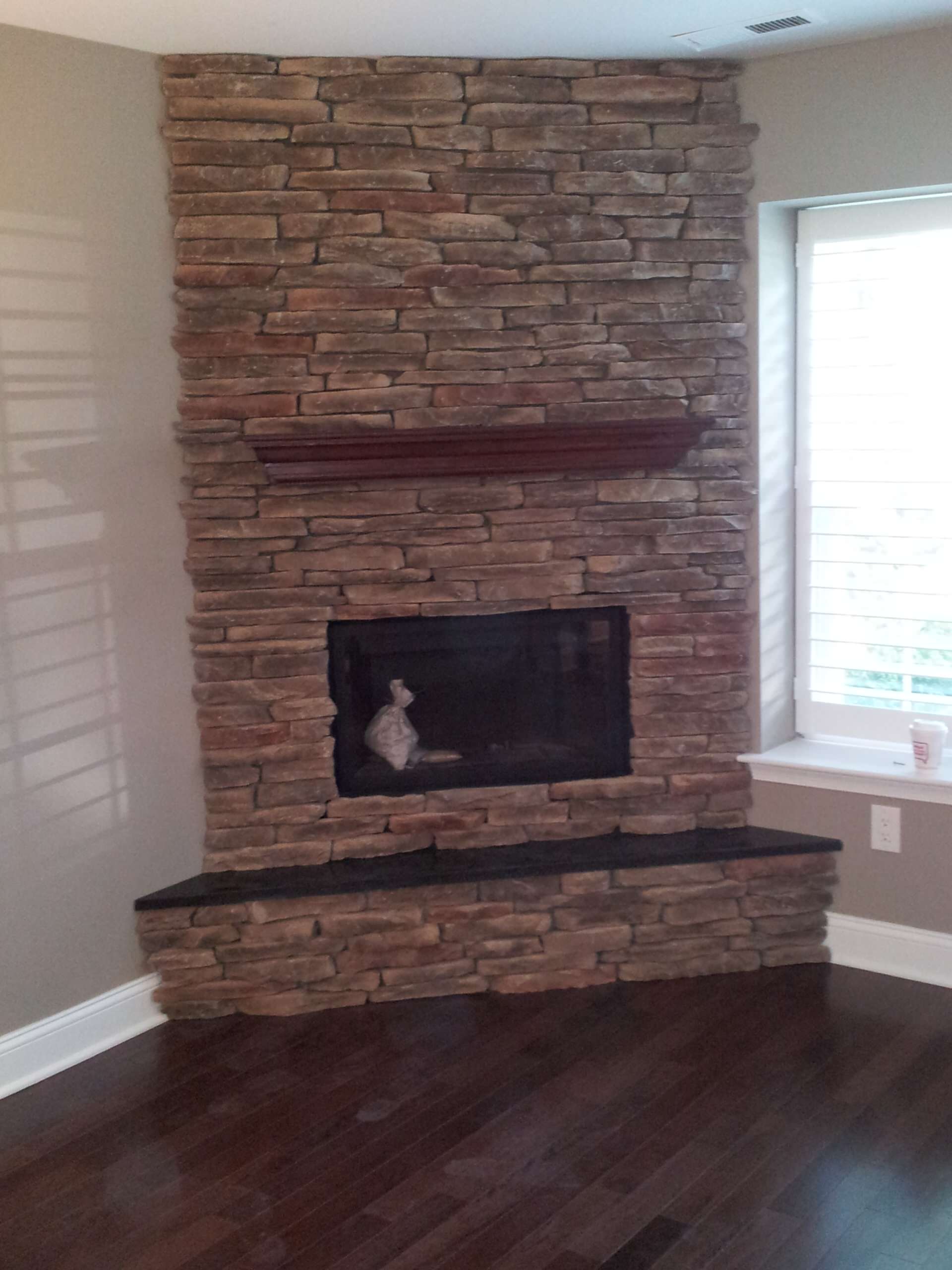
The financial investment in my corner stone fireplace proved higher than I initially anticipated, but careful planning and smart choices helped me achieve the results I wanted without breaking my renovation budget. The corner installation added complexity and labor costs compared to traditional fireplace installations, but I found ways to manage expenses through material selection, timing, and strategic compromises that didn’t compromise the final result.
Material costs represented the largest portion of my budget, and I discovered significant price variations between different stone options and suppliers. Shopping during off-season sales and considering slightly irregular or surplus stones helped reduce material costs substantially. I also learned that mixing more expensive accent stones with less costly field stones could create visual interest while keeping overall material costs reasonable. The key was maintaining quality and consistency in the visible areas while finding savings in less prominent sections.
Labor costs for corner fireplace installation tend to be higher due to the increased complexity and specialized skills required. However, I found that choosing an experienced contractor who had done similar corner installations actually saved money in the long run by avoiding costly mistakes and delays. I also scheduled the work during the contractor’s slower season, which resulted in better pricing and more attention to detail since they weren’t rushing to the next job.
Maintenance and Long-Term Performance Insights
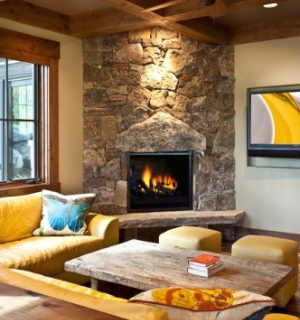
Living with my corner stone fireplace for two years has given me valuable insights into maintenance requirements and long-term performance considerations. The stone work has required minimal maintenance, primarily consisting of annual cleaning and occasional resealing of grout joints. The corner location actually protects the fireplace from some wear patterns that affect wall-mounted units, since there’s less risk of furniture scuffs or accidental impacts from room traffic.
The heating performance of my corner fireplace has exceeded expectations, efficiently warming my living space and actually improving the overall comfort of adjacent rooms. The corner placement allows heat to radiate into multiple areas, making it more effective than I initially anticipated. I’ve learned to use the fireplace strategically during shoulder seasons to reduce overall heating costs while maintaining comfortable temperatures throughout the main living areas.
Seasonal maintenance routines have become part of my home care schedule, including annual chimney inspections, ash removal, and checking for any settling or movement in the stone work. The corner installation seems very stable and hasn’t shown any signs of shifting or structural issues. I’ve also learned to monitor the stone surfaces for any signs of moisture issues or efflorescence, though the corner location and proper installation have prevented any problems so far.
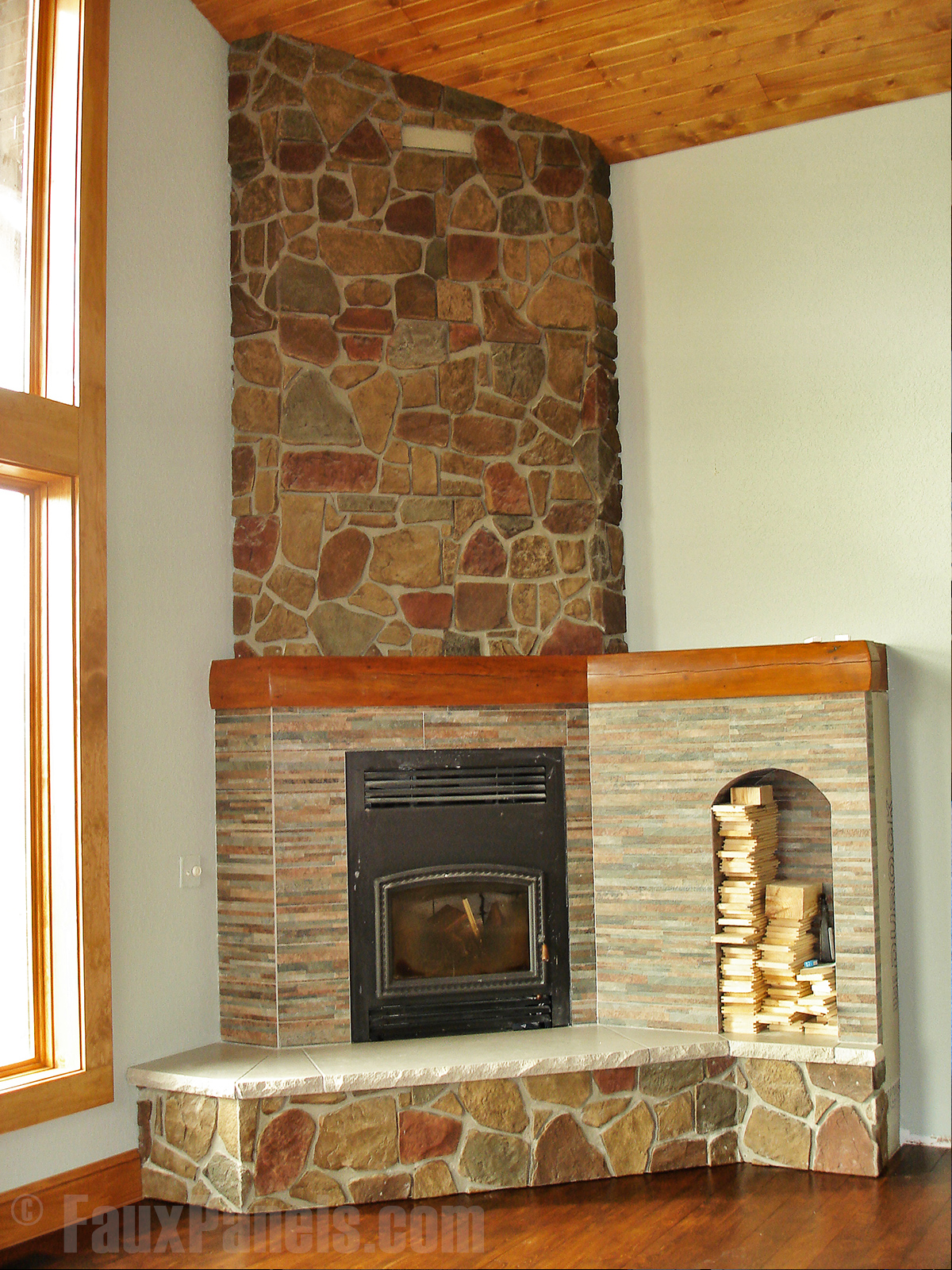
How much space do I need for a corner stone fireplace installation?
My corner fireplace extends about 4 feet along each wall and projects 18 inches into the room. Minimum space requirements vary, but plan for at least 6×6 feet of corner area for a functional installation. Consider furniture placement and traffic flow, corner fireplaces need adequate clearance but can actually improve room layout by utilizing otherwise awkward spaces.
What’s the typical cost range for a corner stone fireplace project?
My complete installation cost $8,500, including materials, labor, and structural reinforcement. Basic corner stone fireplaces start around $5,000, while elaborate installations can exceed $15,000. Costs vary significantly based on stone selection, size, complexity, and local labor rates. Budget extra for potential structural work and utility modifications.

Are corner fireplaces more difficult to install than wall-mounted units?
Yes, corner installations are more complex due to structural requirements spanning two walls and utility routing challenges. However, experienced contractors handle these regularly. The extra complexity adds 2-3 days to installation time and increases labor costs, but the results are worth it. Choose contractors with specific corner fireplace experience for the best results.
How do corner stone fireplaces affect room heating efficiency?
My corner fireplace heats more effectively than expected, radiating warmth into multiple areas. Corner placement allows better heat distribution than wall-mounted units in many room layouts. The stone mass provides excellent heat retention, continuing to warm the space long after fires die down. Overall heating efficiency depends on room size and layout.

What maintenance is required for corner stone fireplaces?
Annual chimney inspections, regular ash removal, and periodic grout resealing are the main requirements. I clean the stone surfaces twice yearly with appropriate cleaners. The corner location protects from some wear patterns but requires attention to structural stability. Overall maintenance is minimal with quality installation and materials.
Can corner fireplaces work in small living rooms?
Absolutely, my moderately sized room benefits greatly from the corner placement. Corner fireplaces can actually make small rooms feel larger by utilizing dead corner space and creating a focal point. Scale the design appropriately for room size; smaller installations can provide the same aesthetic and functional benefits as larger ones with proper proportions.
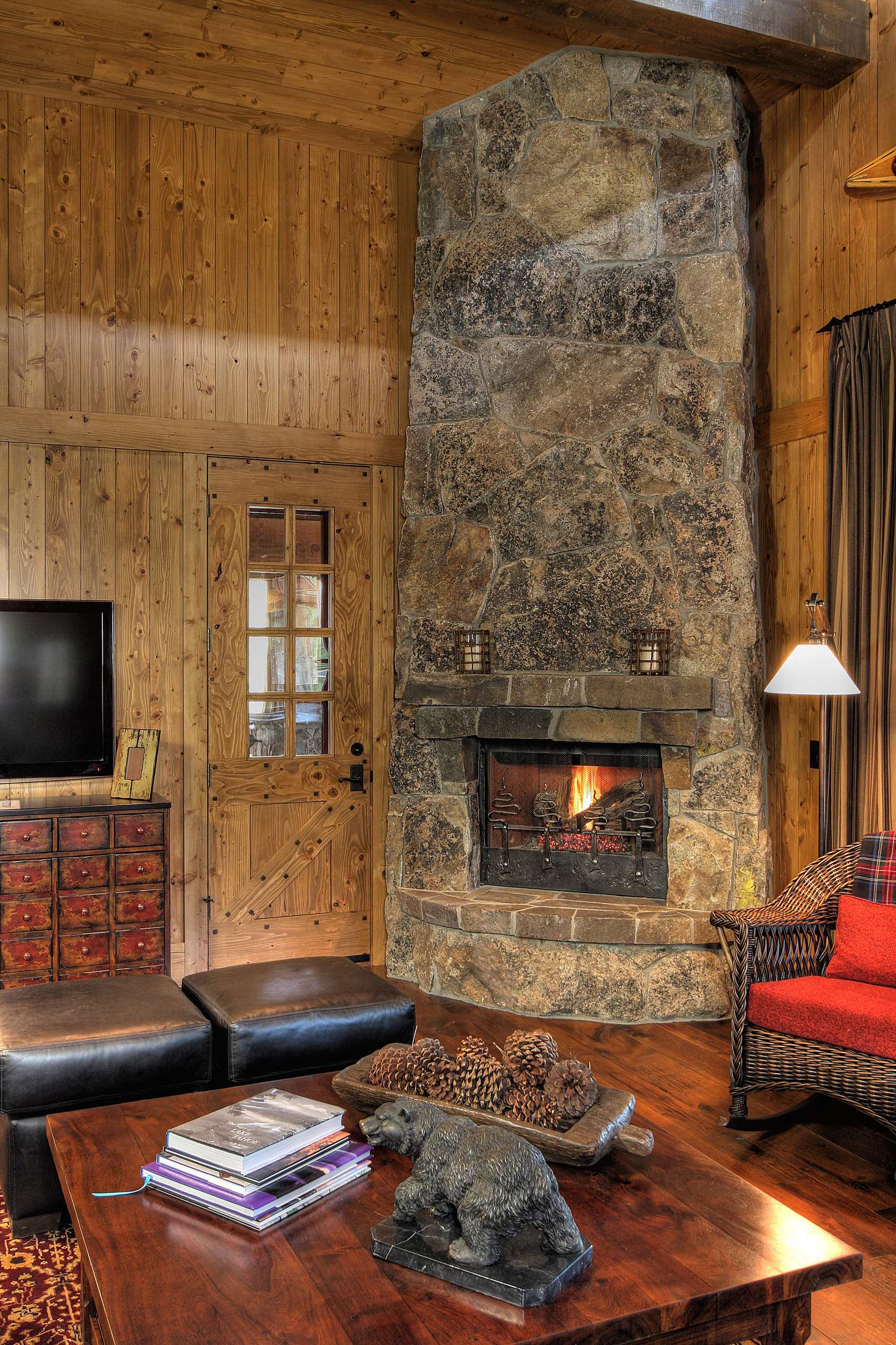
Cozy Corner Fireplace Ideas – Barron Designs
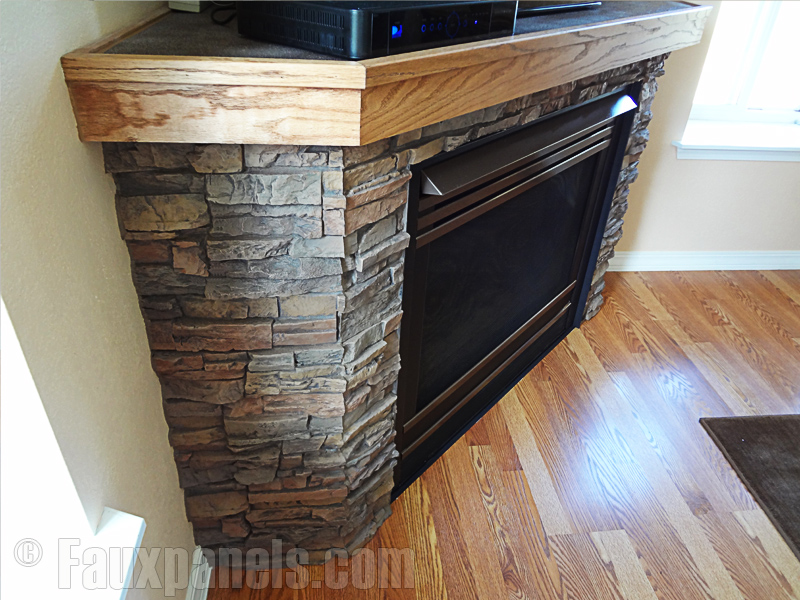
Corner Fireplace Stone Ideas
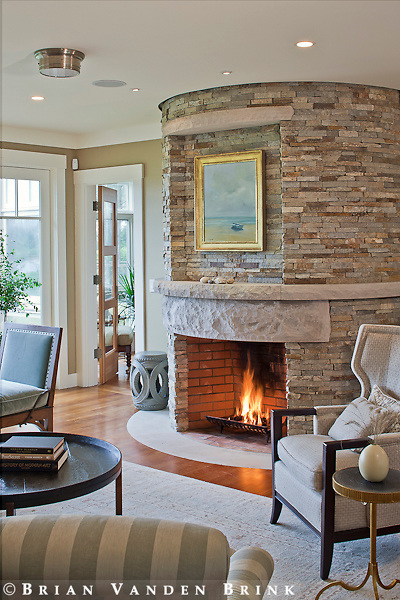
Flaming Chichi: Corner Fireplaces Heat Up Living Space Decor

Corner fireplace ideas corner fireplace, fireplace design

Stone Corner Fireplace Designs

Related Posts: