When I decided to transform our living room into a cozy farmhouse-style gathering space, I knew a stone fireplace would be the perfect centerpiece to anchor the design. After spending months researching different approaches and materials, I fell in love with the idea of combining natural stone with rustic wood elements to create that authentic farmhouse charm. The project took six weeks from planning to completion, but the result exceeded all my expectations. Now our fireplace serves as both a functional heating source and the heart of our home, where family and friends naturally gravitate for conversation and warmth throughout the seasons.
Choosing Natural Stone That Captures Farmhouse Character
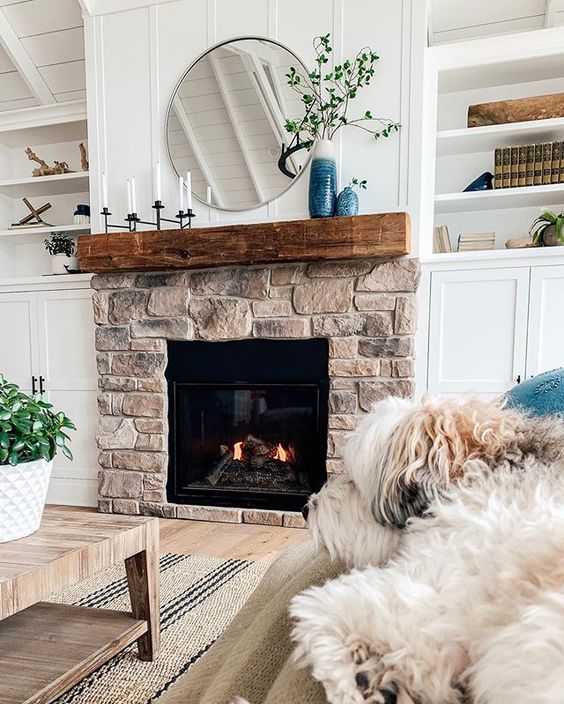
Selecting the right stone became my first major decision in creating an authentic farmhouse fireplace that would look like it had been there for generations. I visited several stone yards and ultimately chose locally sourced limestone due to its warm, creamy tones and soft, weathered appearance, which perfectly captured the timeless farmhouse aesthetic I was seeking. The natural variation in color and texture gave each piece a unique character that manufactured materials cannot replicate.
The size and shape of the stones required careful consideration to achieve the relaxed, organic look that defines farmhouse style. I chose a mix of medium and large stones with naturally rounded edges rather than sharp, angular pieces that would look too formal or modern. The irregular shapes and sizes create visual interest while maintaining the casual, unpretentious feeling that makes farmhouse design so appealing and comfortable.
Color consistency became important for creating a cohesive look that wouldn’t compete with other design elements in the room. I selected stones within a narrow range of warm gray and cream tones, avoiding pieces with dramatic color variations or bold markings that might overpower the space. This restrained palette allows the natural beauty of the stone to shine while providing a neutral backdrop for seasonal decorating and changing furnishings.
Designing the Perfect Farmhouse Proportions and Layout
Planning the proportions of my farmhouse stone fireplace required balancing scale with the cozy, intimate feeling that defines this design style. I designed the surround to extend from floor to ceiling, but kept the width proportional to our room size, creating an impressive presence without overwhelming the space. The key was finding that sweet spot where the fireplace feels substantial and important but still maintains the welcoming, approachable character that farmhouse style embodies.
The hearth design needed to reflect farmhouse practicality while providing adequate protection and visual weight to ground the entire feature. I extended the stone hearth eighteen inches beyond the firebox opening and raised it four inches above floor level, creating a natural seat for children and extra space for displaying seasonal decorations. This functional approach perfectly aligns with the farmhouse philosophy of beauty through utility.
Incorporating architectural details like a rustic wood mantel became essential for achieving an authentic farmhouse character that feels collected over time rather than designed all at once. I chose a massive reclaimed oak beam from a 1920s barn that shows its age through weathering, nail holes, and natural patina. The contrast between the soft stone and aged wood creates the layered, authentic look that makes farmhouse design so appealing and timeless.
Installation Techniques for Authentic Farmhouse Appeal
Installing my farmhouse stone fireplace required techniques that emphasized the handcrafted, imperfect quality that gives this style its charm and character. Rather than pursuing perfectly level courses and uniform joints, I embraced slight irregularities that make the installation look like the work of generations past. This approach required restraint and artistic judgment to achieve controlled imperfection rather than sloppy workmanship.
The mortar joints became a crucial design element that required careful attention to color and texture to maintain the authentic farmhouse aesthetic. I chose a warm, cream-colored mortar that complements rather than contrasts with the stone, and I used a slightly recessed joint profile that emphasizes each stone’s individual character. The joint width varies slightly throughout the installation, adding to the handcrafted appearance.
Working with the irregular stone shapes required patience and problem-solving skills that differed from standard masonry techniques. I spent considerable time fitting each piece to create pleasing compositions while maintaining structural integrity. This puzzle-like process becomes meditative once you develop an eye for how different stones work together to create the relaxed, organic patterns that define farmhouse stonework.
Adding Rustic Wood Elements and Character Details
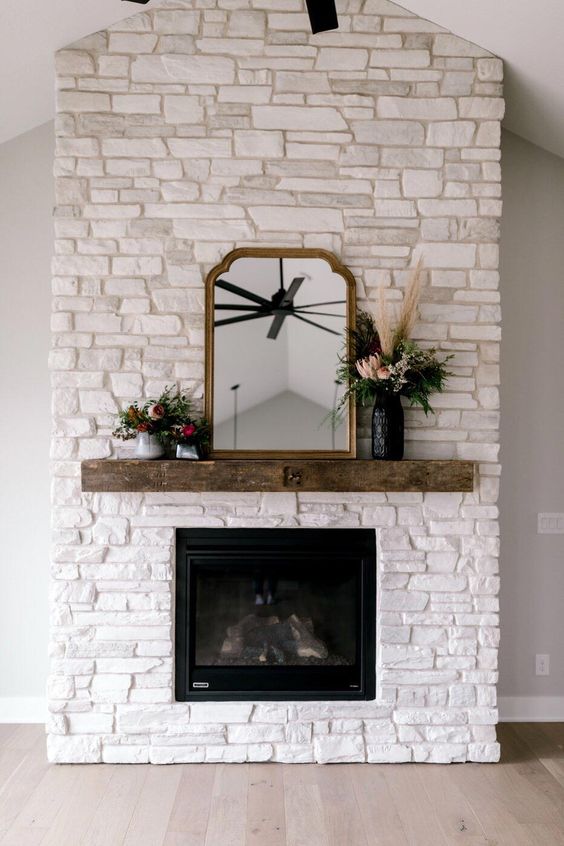
Selecting the perfect mantel became crucial for achieving the authentic farmhouse look I wanted to create in our living space. I found a hand-hewn oak beam from a demolished 19th-century barn that showed beautiful tool marks from the original craftsmen who shaped it. The natural checking, weathering, and patina gave it exactly the aged character that new wood simply cannot replicate, no matter how it’s treated or distressed.
The installation of the reclaimed wood mantel required careful attention to both aesthetics and safety codes that govern clearances from the firebox opening. I worked with a structural engineer to ensure proper support for the heavy beam while maintaining the required distances from combustible materials. Hidden steel brackets provide secure mounting while preserving the appearance that the beam simply rests naturally on the stone surround.
Additional wood elements, like a rustic wood surround or built-in shelvin,g can enhance the farmhouse character while adding functional storage and display space. I incorporated simple floating shelves made from matching reclaimed oak on either side of the fireplace to display books, pottery, and seasonal decorations. These additions create a collected-over-time appearance that enhances the authentic farmhouse aesthetic.

Creating Cozy Ambiance with Lighting and Styling
Lighting design became essential for showcasing my farmhouse stone fireplace while creating the warm, inviting atmosphere that defines this style. I installed recessed LED lights with warm color temperature that graze across the stone surface, emphasizing texture and creating dramatic shadows that change throughout the day. This accent lighting works beautifully with the natural firelight to create layers of illumination.
The styling approach focuses on simple, functional items that reflect farmhouse values of practicality and natural beauty rather than formal decoration. I display vintage ironware, pottery, and wooden bowls on the mantel and surrounding shelves, choosing pieces that look useful rather than purely decorative. Fresh greenery and seasonal branches add life and natural color that complement the stone’s earthy tones.
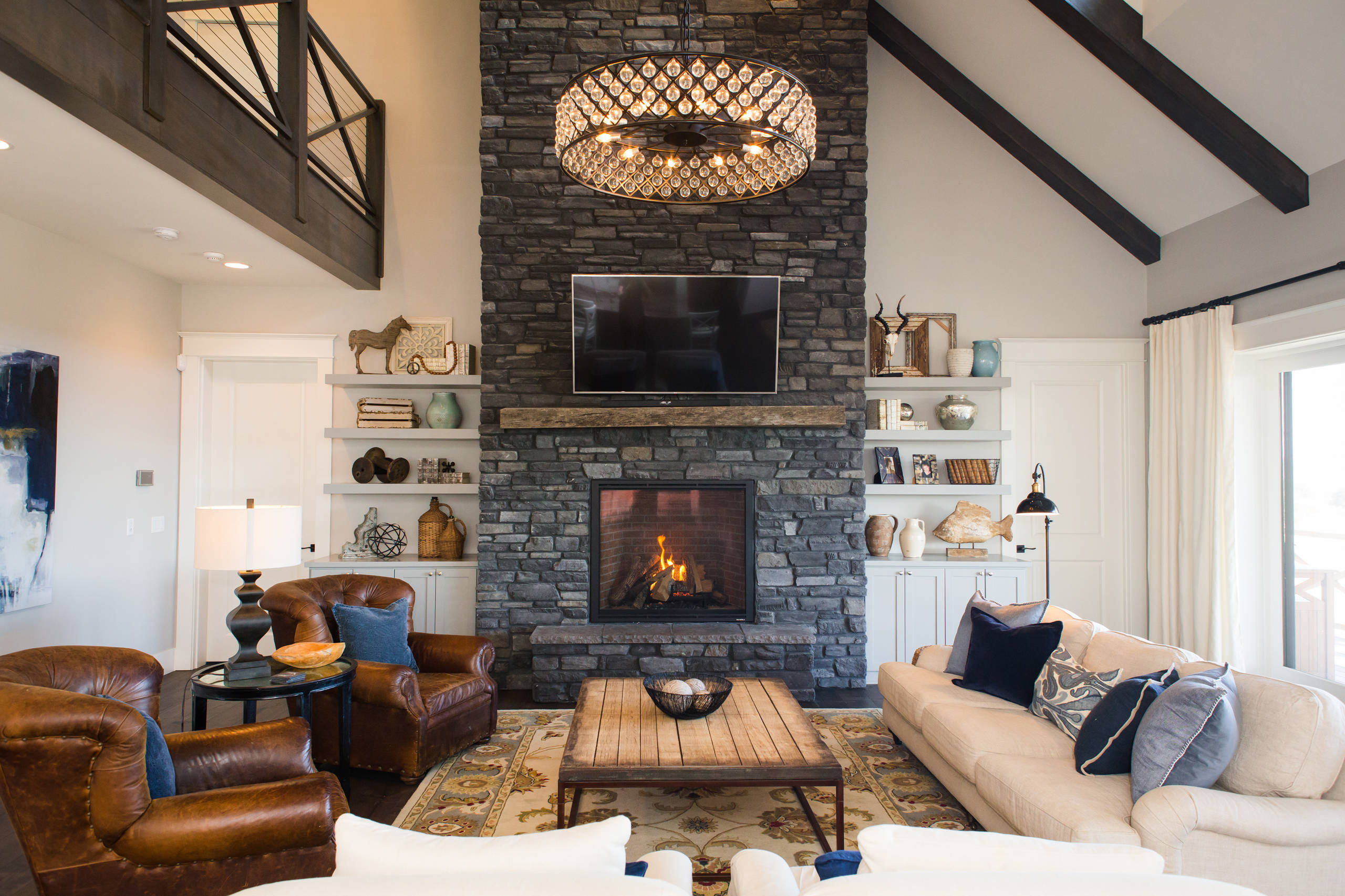
Furniture arrangement around the fireplace emphasizes comfort and conversation rather than formal presentation, staying true to farmhouse principles of livability over perfection. I positioned a comfortable sectional sofa and vintage leather chairs to create intimate seating groups that encourage family gatherings and relaxed entertaining. This casual approach makes the fireplace the natural gathering point for daily life.

Maintenance and Seasonal Care for Longevity
Maintaining my farmhouse stone fireplace requires regular attention to both the stone and wood elements to preserve their natural beauty and character. I clean the limestone monthly using a soft brush and mild stone cleaner, being careful not to damage the natural surface texture that gives the stone its authentic appearance. The porous nature of natural stone requires gentle cleaning products that won’t cause staining or surface damage.
The reclaimed wood mantel needs periodic conditioning to prevent cracking and maintain its rich patina without over-restoring its aged character. I apply a specialized wood conditioner designed for reclaimed lumber twice yearly, using just enough to nourish the wood without creating an artificial shiny finish. This careful maintenance preserves the authentic weathered appearance while protecting against further deterioration.
Seasonal preparation includes checking mortar joints for any small cracks or gaps that might develop as the house settles or experiences temperature changes. I keep matching mortar on hand for minor touch-ups that maintain both appearance and weather protection. The chimney and firebox require annual professional inspection and cleaning to ensure safe operation and prevent damage from weather or use.
How much does a farmhouse stone fireplace typically cost to build?
My project cost about $5,200 in materials, including stone, mortar, and the reclaimed wood mantel. Professional installation would have added $4,000-6,000. The cost varies based on stone selection and project size, but natural materials and handcrafted details make farmhouse fireplaces more expensive than basic options.
Can I achieve farmhouse style with manufactured stone instead of natural?
While manufactured stone costs less, it lacks the authentic character that defines true farmhouse style. Natural stone’s weathering, color variation, and texture cannot be replicated artificially. I recommend investing in natural stone for areas visible in the main living space and considering manufactured options for less prominent applications.

What’s the best way to find authentic reclaimed wood for the mantel?
I found my beam through architectural salvage companies and demolished barn suppliers. Check online marketplaces, antique stores, and local farms that might have old barns being demolished. Expect to pay premium prices for quality pieces with authentic character and proper dimensions for fireplace use.
How do I ensure my farmhouse fireplace looks authentic rather than artificially rustic?
Focus on natural materials with genuine age and character rather than distressed new materials. Embrace slight imperfections in installation and avoid overly uniform patterns. The key is restraint; authentic farmhouse style develops naturally over time rather than being forced through artificial aging techniques.

Do farmhouse stone fireplaces work in modern homes?
Absolutely! My contemporary home benefits from the warmth and character that farmhouse style brings to modern spaces. The key is balancing rustic elements with clean lines and avoiding overly themed approaches. A well-designed farmhouse fireplace adds timeless appeal that complements rather than competes with modern architecture.
What maintenance challenges should I expect with natural stone and reclaimed wood?
Natural stone requires gentle cleaning to avoid damage, and limestone can be susceptible to acid damage from wine or citrus. Reclaimed wood needs careful conditioning to prevent cracking while preserving its aged character. Both materials reward proper care with decades of beautiful aging and increased character over time.

Farmhouse Family Room with a Stone Fireplace Ideas
Farmhouse Living Room Design Guide: Tips, Ideas and Inspirations
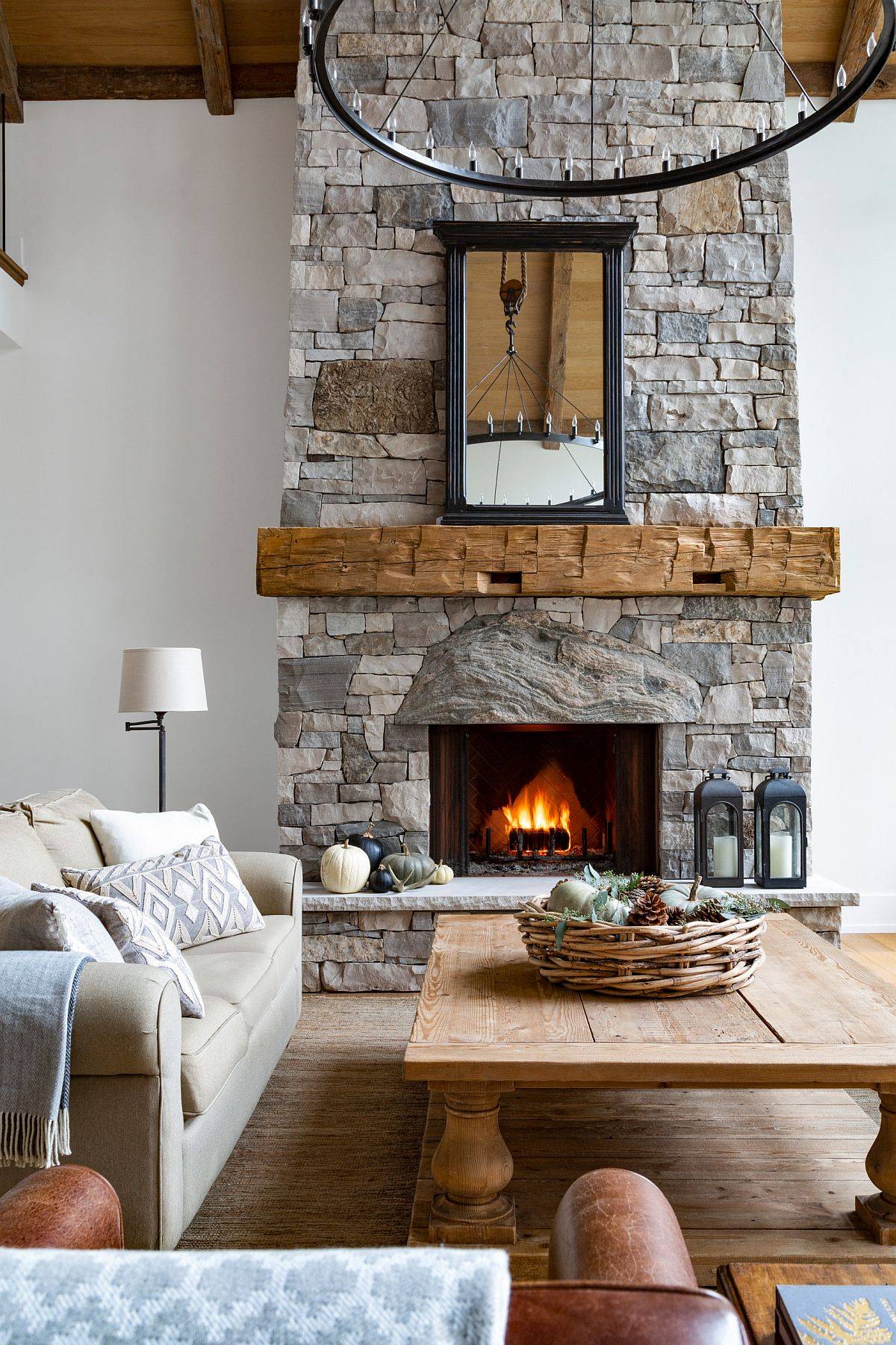
Best Stone Fireplace Ideas for a Cozy Home
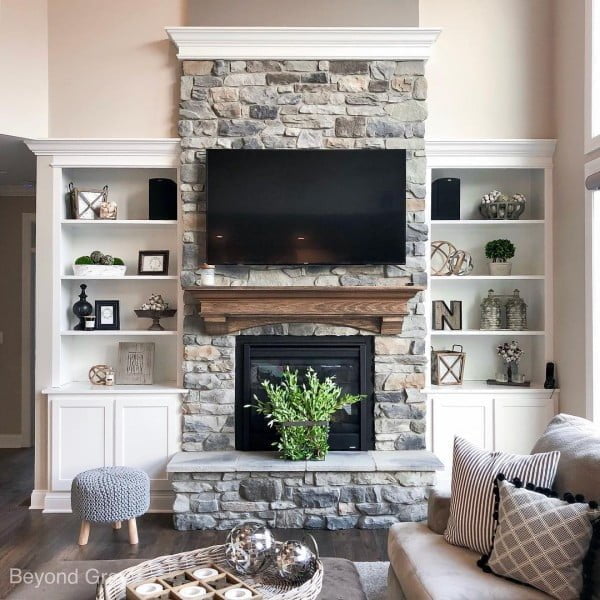
Stone Fireplaces That Make Your Space Cozy
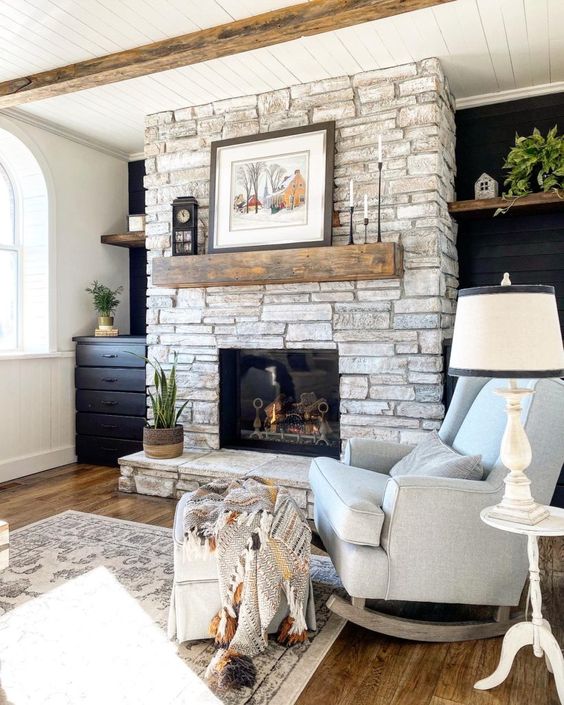
Best Stone Fireplace Ideas to Make Your Home Cozier

Stone Fireplace Surround Gets a Farmhouse Facelift – Twelve On Main
Related Posts: