When I first started dreaming about adding a stone fireplace to my home, I knew I wanted something that felt authentic and warm, not cold or overly polished. There’s something about the raw, natural beauty of stone that instantly makes a space feel cozy and grounded. Over the years, I’ve experimented with different styles and learned what works best for creating that perfect rustic vibe. Whether you’re building from scratch or updating an existing fireplace, I’ve discovered that the right stone choice and design approach can completely transform your living space into a retreat that feels both timeless and inviting.
Choosing the Right Stone for Your Rustic Fireplace
When I started my fireplace project, I spent weeks researching different stone types, and I quickly learned that not all stones create the same rustic effect. I fell in love with fieldstone because of its irregular shapes and weathered appearance. Each piece tells its own story, with natural variations in color and texture that you just can’t replicate with manufactured materials. The beauty of fieldstone is that it looks like it’s been there forever, which is exactly the feeling I wanted to achieve in my home.
Limestone became another favorite of mine during my research phase. I appreciated how it offers a softer, more subdued palette compared to some of the bolder stone options. When I visited showrooms, I noticed that limestone has this beautiful way of catching light, creating subtle shadows that add depth to the fireplace surface. It also works incredibly well if you’re going for a French country or cottage aesthetic. The natural pitting and fossil marks in limestone give it a character that I found absolutely charming.
I also considered river rock, which creates a completely different but equally rustic look. I remember visiting a friend’s cabin where they’d used smooth river stones for their fireplace, and I was struck by how organic and peaceful it felt. The rounded edges and varied sizes create a mosaic-like effect that’s both casual and sophisticated. If you live near a water source or want to bring that natural element into your home, river rock might be the perfect choice for your rustic fireplace design.
Dry-Stacked Stone for an Authentic Look
I’ll never forget the first time I saw a dry-stacked stone fireplace in person. The lack of visible mortar gave it such a clean, natural appearance that I knew I had to try this technique myself. Dry-stacking involves carefully fitting stones together without thick mortar joints showing on the face, and while it requires more precision during installation, the results are absolutely worth the effort. I found that this method really lets the natural beauty of each stone shine through without distraction.
When I tackled my own dry-stacked project, I learned quickly that stone selection is crucial. I spent hours sorting through my stone delivery, looking for pieces that would fit together like a puzzle. Flat stones with relatively straight edges work best, though you still want some irregularity to maintain that rustic character. I made the mistake early on of trying to force pieces together, but I discovered that patience and careful selection made the process much smoother and the final result more authentic-looking.
The installation process taught me a lot about structural integrity, too. Even though the mortar isn’t visible from the front, I still used it behind the stones for stability and safety. I worked with a mason who showed me how to create a strong bond while keeping the face clean and natural-looking. This technique requires a bit more skill than traditional mortared stone, but I found that taking my time and occasionally stepping back to assess my progress helped me achieve the seamless, timeless look I was after.
Creating a Statement Wall with Floor-to-Ceiling Stone
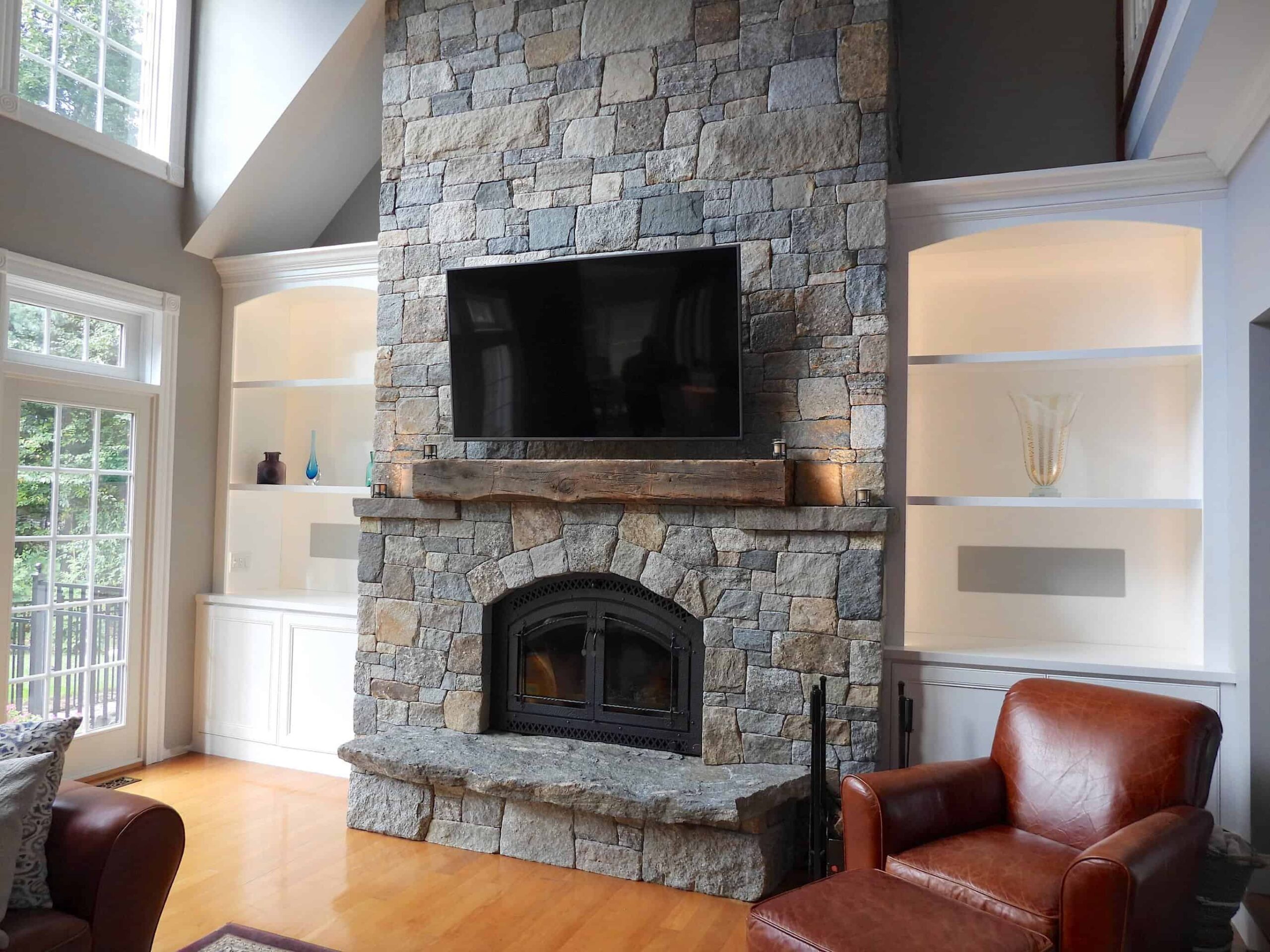
One of the boldest decisions I made during my renovation was extending my stone fireplace all the way to the ceiling. I was nervous about it at first, worried it might overwhelm the room, but I’m so glad I went for it. A floor-to-ceiling stone fireplace creates an incredible focal point that draws the eye upward and makes the entire space feel more grand and connected to nature. The vertical emphasis also made my room with standard ceiling height feel taller and more spacious than before.
When planning my statement wall, I had to think carefully about the mantel placement and whether I even wanted one. I ultimately decided to incorporate a thick, reclaimed wood beam about two-thirds of the way up, which broke up the stone expanse beautifully and gave me a functional space for displaying family photos and seasonal decorations. The contrast between the rough stone texture and the smooth, weathered wood created a balance that I absolutely love. It’s become the first thing people comment on when they enter my living room.
The lighting considerations for a full stone wall were something I hadn’t fully anticipated. I installed recessed lighting above the fireplace to highlight the texture of the stone, especially in the evening hours. I also added sconces on either side at eye level, which cast beautiful shadows across the irregular surface and create such a warm, inviting ambiance. This lighting strategy transformed my fireplace from just a structural element into a living, breathing part of my home’s atmosphere that changes throughout the day.

Incorporating Reclaimed Materials for Extra Character
My search for authentic rustic charm led me to architectural salvage yards, and I’m so glad it did. I found an incredible hand-hewn beam that became my mantel, complete with saw marks and old nail holes that tell stories I can only imagine. Using reclaimed materials alongside my stone fireplace added layers of history and personality that new materials simply couldn’t provide. The beam had come from an old barn in the countryside, and knowing it had a previous life made it feel even more special to me.
I also discovered reclaimed stone during my salvage yard visits. These stones had been part of old buildings, walls, and even previous fireplaces, and they came with a patina that you can’t buy new. The weathering, slight discoloration, and worn edges gave my fireplace an instant aged quality that looked like it had been part of my home for generations. I mixed these reclaimed stones with some new ones, which actually helped blend everything while keeping costs more reasonable.
The process of incorporating reclaimed materials taught me to be flexible with my design plans. Unlike working with uniform new materials, each reclaimed piece is unique and sometimes irregular. I learned to embrace imperfections, the slightly crooked beam, the stones that didn’t quite match, because those quirks are what give rustic design its soul. My fireplace isn’t perfect in a conventional sense, but it’s perfectly imperfect in a way that feels genuine and warm. That’s the beauty of working with materials that have lived another life before finding their place in your home.
Designing a Cozy Corner Fireplace with Stone
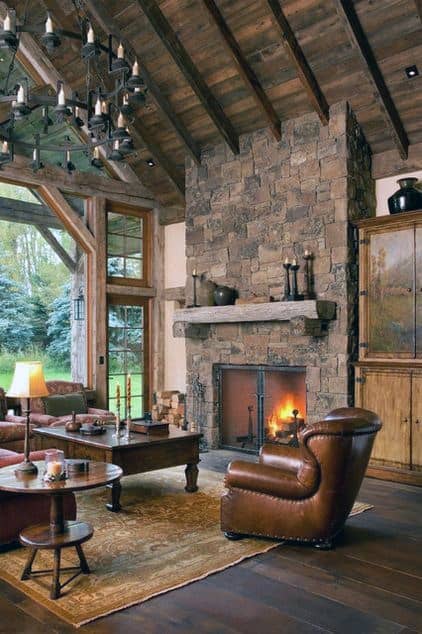
When I realized I didn’t have a traditional fireplace wall to work with, I got creative and built a corner fireplace instead. This turned an awkward, underutilized space in my living room into the coziest spot in the house. Corner fireplaces have a way of wrapping around you, creating an intimate feeling that’s different from the commanding presence of a centered fireplace. I positioned two comfortable chairs nearby, and now it’s where my family naturally gravitates during cold evenings.
The stone selection for my corner fireplace required special consideration because the stone wraps around two walls and needs to flow naturally around the angle. I chose stones with more uniform thickness to make the corner transition smoother, though I kept the faces irregular for that rustic texture. I worked carefully on the cornerstones themselves, selecting pieces that would nestle together convincingly. The mason I hired suggested slightly overlapping the stones at the corner rather than trying to meet them perfectly at a 90-degree angle, which gave a more organic, less constructed appearance.
One challenge I faced was making sure the corner fireplace didn’t feel cramped or too imposing in the space. I kept the stone surround relatively compact and used a simple hearth that extended just enough for function and safety. The key was balancing presence with proportion. I also painted the adjacent walls in a warm neutral that complemented the stone tones, which helped the fireplace feel integrated rather than stuck into the corner. Now, instead of an awkward corner, I have a gathering spot that’s become the heart of my home.

Adding Rustic Accents and Finishing Touches
Once my stone fireplace was built, I discovered that the finishing touches really brought my rustic vision to life. I started with iron fireplace tools and a screen that had a blacksmith-forged quality. The dark metal against the light stone created a beautiful contrast that enhanced the rustic aesthetic. I found a local artisan who custom-made my tools, and even though they cost more than store-bought options, the craftsmanship and authenticity made them worth every penny.
I also paid attention to the hearth area, which I extended slightly to create a small sitting ledge. I topped it with a single slab of bluestone that had a naturally rough edge, leaving it unsealed to maintain its matte, natural finish. This decision turned my hearth into more than just a safety feature, it became a functional part of the design where I could set down a cup of coffee or where my kids could sit close to the fire on particularly cold nights. The extended hearth grounds the entire fireplace and gives it a more substantial, permanent feeling.
My mantel styling evolved, but I learned that less is more when working with such a strong architectural element. I keep a simple arrangement of vintage candlesticks, a few pieces of weathered pottery, and branches or greenery that change with the seasons. During holidays, I add minimal decorations that complement rather than compete with the stone. I’ve found that the fireplace itself is the star, and my accessories should simply enhance its natural beauty. This restrained approach keeps the space feeling authentically rustic rather than overly decorated or contrived.
What type of stone is best for achieving a rustic fireplace look?
In my experience, fieldstone and limestone are the best choices for a truly rustic appearance. Fieldstone offers irregular shapes and natural weathering that create an authentic, collected-over-time look. Limestone provides a softer aesthetic with beautiful natural pitting and color variations. River rock is another excellent option if you want a smoother, more organic feel. I always recommend visiting a stone yard in person to see and touch the materials before deciding.
How much does a rustic stone fireplace typically cost?
Based on my own project, costs can vary widely depending on stone type, fireplace size, and whether you hire professionals. My medium-sized fireplace with natural fieldstone cost around $8,000 including materials and labor. I’ve seen simpler projects done for $3,000 to $5,000, while elaborate floor-to-ceiling designs with premium stone can exceed $15,000. Reclaimed materials can sometimes reduce costs, though rare or historically significant stones might actually cost more.

Can I install a rustic stone fireplace myself, or do I need a professional?
I have some DIY experience, but I hired a professional mason for the actual stonework, and I’m glad I did. Stone fireplaces require proper structural support, correct flue installation, and adherence to building codes for safety. However, I did handle the prep work, stone selection, and finishing touches myself, which saved money. If you have masonry experience and understand fireplace safety requirements, you might tackle it yourself, but for most people, professional installation is the safer, smarter choice.
How do I maintain and clean a rustic stone fireplace?
Maintaining my stone fireplace has been surprisingly easy. I brush off loose soot and dust regularly with a soft brush, and once a year I clean it more thoroughly with a mixture of mild dish soap and water. I avoid harsh chemicals that could damage or discolor the stone. For stubborn soot stains, I use a paste of baking soda and water. I never sealed my stone because I wanted to maintain the natural, matte appearance, though some people prefer sealing for easier cleaning.

Will a stone fireplace work with modern or contemporary decor?
Absolutely! I’ve seen rustic stone fireplaces beautifully incorporated into modern spaces. The key is balancing the rustic element with cleaner lines elsewhere in the room. In my friend’s contemporary home, they used a dry-stacked stone fireplace with very uniform, flat stones and paired it with minimalist furniture and neutral colors. The stone added warmth and texture to an otherwise sleek space. I think the organic nature of stone actually complements modern design by providing contrast and visual interest.
How long does it take to build a rustic stone fireplace?
My fireplace took about two weeks from start to finish, though this varied based on the project scope. The structural work and chimney installation took several days, and the stone facing took another week because my mason worked carefully to achieve the dry-stacked look I wanted. Simple fireplace surrounds might be completed in just a few days, while elaborate floor-to-ceiling installations could take three weeks or more. Weather can also affect the timeline if the mortar needs proper curing conditions.

Best Stone Fireplace Design Ideas – Rustic Rock Interiors
Magnificent stone fireplace ideas for a stylish home interior
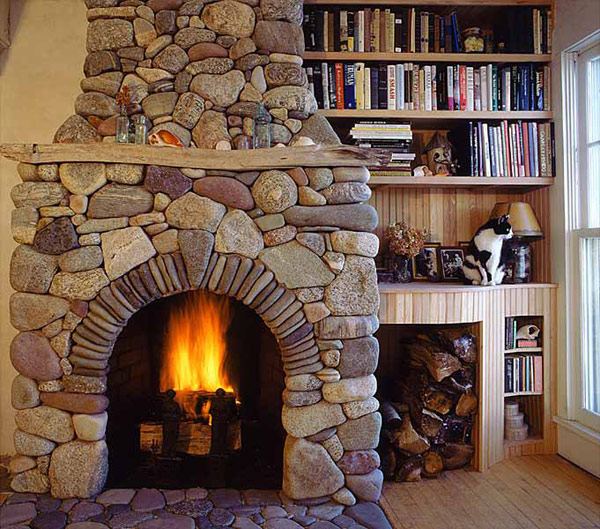
Best Stone Fireplace Ideas to Make Your Home Cozier
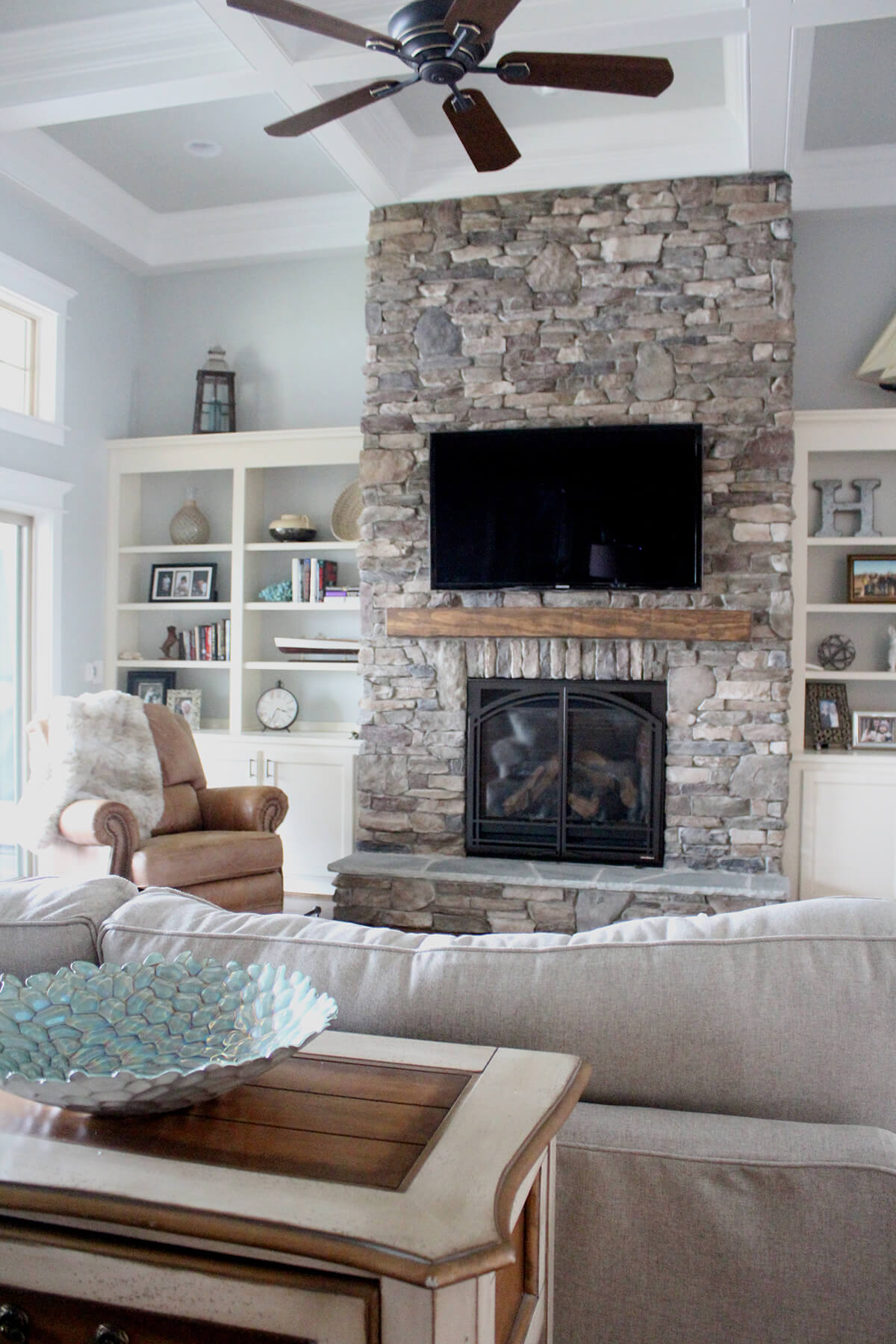
Stone Fireplace Design Ideas – Rustic Rock Interiors

Stone fireplace design ideas – the irresistible power of open fire
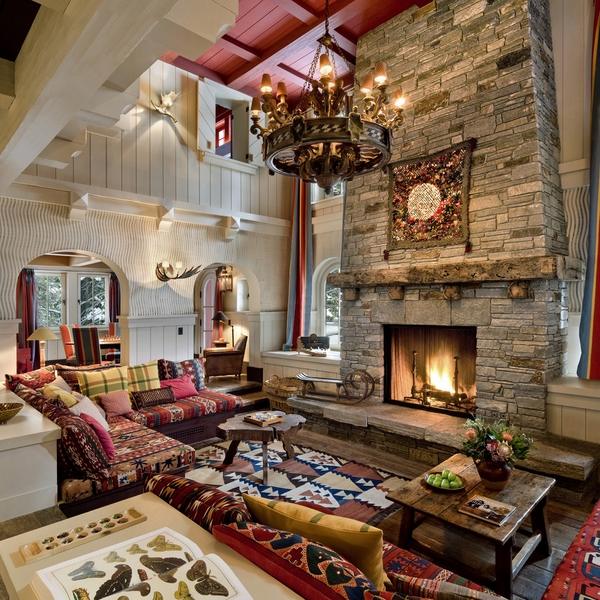
Beautiful Stone Fireplace Ideas That Rock – Bring The Rusticity
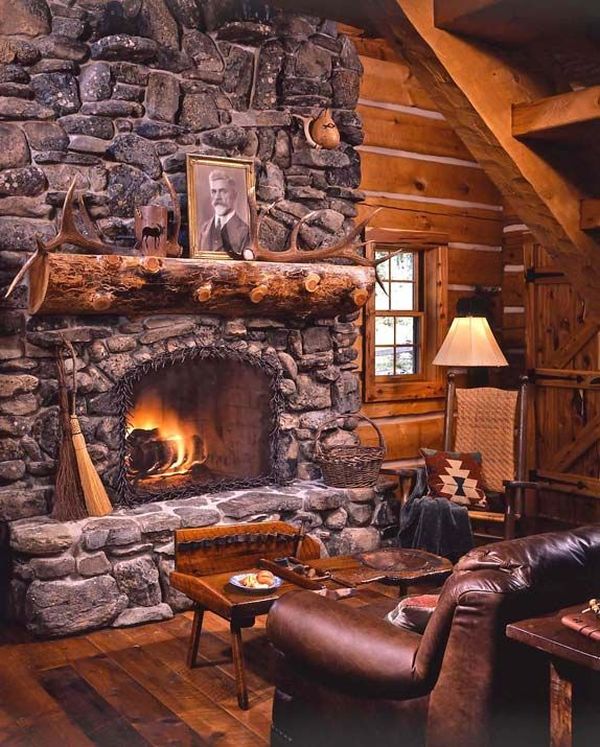
Stacked Stone Fireplace Designs And The Decors Around Them

Related Posts: