When I first purchased my 1890s Victorian home, the original fireplace was hidden behind a bland, modern screen that completely clashed with the ornate mantelpiece. I knew I needed authentic Victorian fireplace doors to restore the room’s character, but I had no idea where to start. After months of research, restoration work, and learning from my mistakes, I discovered that choosing the right fireplace doors involves understanding historical accuracy, material options, and practical considerations. Let me share what I learned along the way.
Understanding Authentic Victorian Design Elements
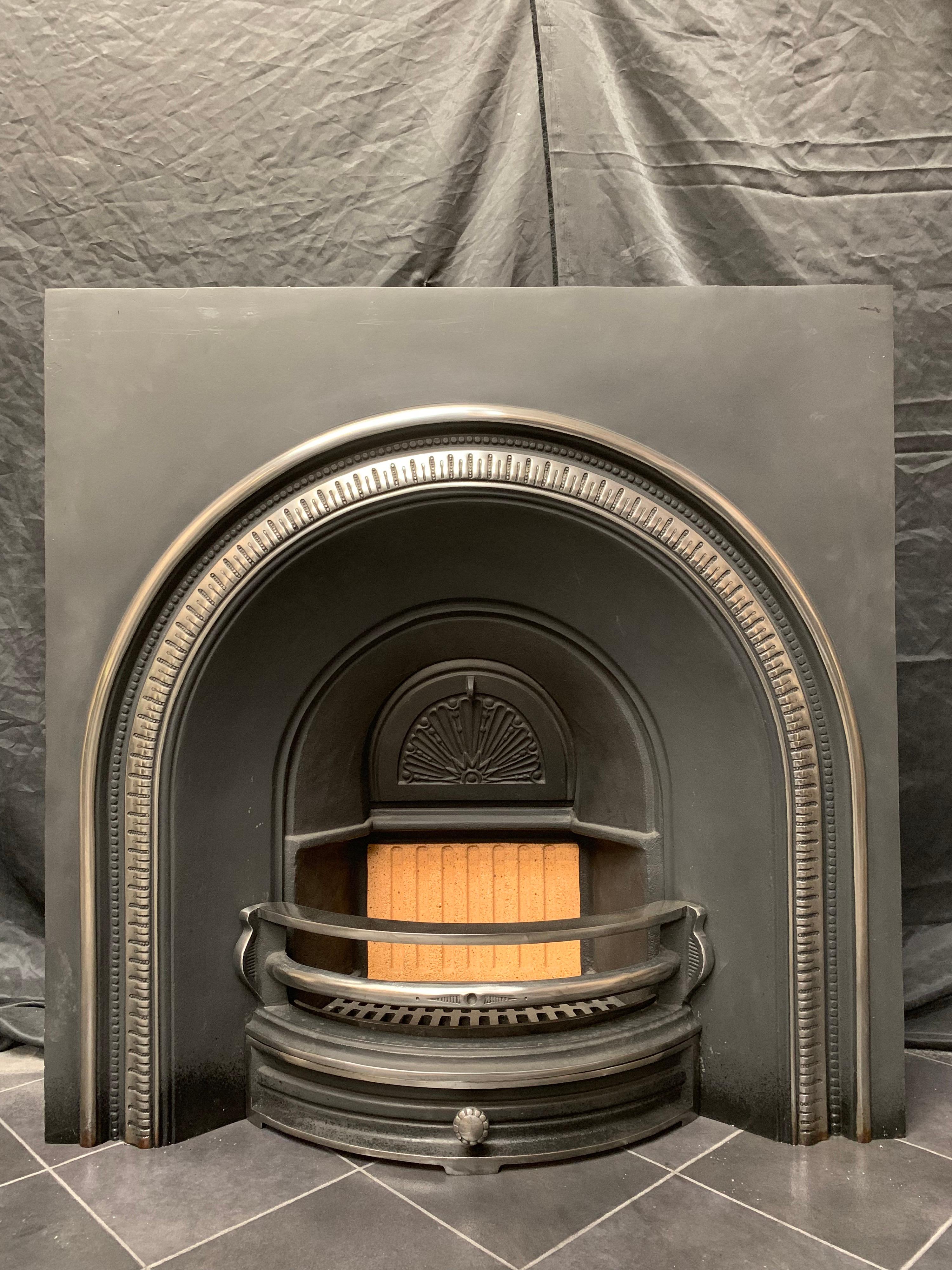
The first thing I realized when searching for Victorian fireplace doors was that not all “vintage-style” options are created equal. True Victorian designs feature specific characteristics that set them apart from other periods. I spent hours at architectural salvage yards studying original pieces, noting the intricate cast iron scrollwork, decorative tile inserts, and brass or copper accents that defined the era.
When I examined authentic Victorian doors, I noticed they typically featured elaborate patterns inspired by nature, Gothic Revival motifs, or classical Greek and Roman designs. The Victorians loved ornamentation, so I looked for doors with embossed flowers, vines, geometric patterns, or even figurative elements. I learned that the level of decoration often indicated the room’s importance, with parlor fireplaces receiving the most elaborate treatment.
One mistake I almost made was choosing doors with Art Nouveau styling, which actually came later. Victorian designs, especially from the mid-1800s, tend to be more symmetrical and formal compared to the flowing, organic lines of Art Nouveau. I caught this difference just in time after consulting with a restoration specialist who pointed out the timeline distinctions. This attention to period accuracy made all the difference in achieving an authentic look.
Choosing Between Cast Iron and Brass Materials
The material debate consumed much of my decision-making process. I initially fell in love with ornate brass doors at an antique shop, but I soon learned that cast iron was far more common in Victorian homes, especially for middle-class residences. Brass and copper were luxury materials reserved for wealthy households or special rooms. Understanding this hierarchy helped me make choices appropriate to my home’s original status.
Cast iron doors appealed to me for several reasons beyond historical accuracy. They retain heat beautifully, radiating warmth into the room long after the fire dies down. I also appreciated their durability, as many original cast-iron doors I encountered were still functional after 130 years. The patina that develops on cast iron over time adds character rather than detracting from appearance, which aligns with my desire for authentic aging.
However, I did ultimately incorporate some brass elements as accents. I found reproduction doors with cast iron bodies and brass trim, which offered the best of both approaches. The brass highlights caught the firelight beautifully while the iron provided structural integrity. If you’re considering all-brass doors, I’d recommend ensuring proper ventilation and heat resistance, as brass conducts heat more readily than iron and can become dangerously hot to the touch during use.

Finding Original Versus Reproduction Doors
My search for the perfect doors led me down two paths: hunting for originals or purchasing quality reproductions. I started at architectural salvage yards, estate sales, and online marketplaces, hoping to find authentic Victorian doors. The thrill of discovering genuine period pieces was addicting, but I quickly encountered challenges. Many original doors I found were damaged, missing hardware, or sized incorrectly for my fireplace opening.
Original doors offered undeniable authenticity and character. I loved knowing that craftsmen from the 1800s had created these pieces by hand. The casting quality, attention to detail, and unique imperfections told stories of their creation and use. When I did find suitable original doors, however, they required extensive restoration, sandblasting to remove rust, re-enameling, and hardware replacement, which added significantly to my budget.
Reproductions eventually won me over for practical reasons. High-quality manufacturers now create stunning replicas using original Victorian molds and techniques. I found a company that casts doors using traditional sand-casting methods, producing pieces virtually indistinguishable from antiques. The advantage was clear: perfect condition, correct sizing, modern safety features, and warranty protection. I could achieve the Victorian aesthetic without the restoration headaches and uncertainty about structural integrity.

Installing Doors for Safety and Efficiency
Installation proved more complex than I anticipated. My assumption that fireplace doors simply sat in the opening was naive. Proper installation requires careful measurement, appropriate mounting hardware, and attention to clearances for safe operation. I initially attempted a DIY installation but quickly called in a professional after realizing I was out of my depth with historic masonry and modern building codes.
The installer explained that Victorian fireplaces often have irregular openings due to settling, previous modifications, or original construction variations. We needed custom measurements rather than standard sizes. He also addressed ventilation concerns, ensuring my doors included adjustable air vents to control draft and combustion. I learned that completely sealed doors can cause dangerous backdrafts or inefficient burning, so proper airflow design was essential.
One surprise was the need for a lintel inspection before mounting heavy cast-iron doors. My fireplace’s brick arch was original but showed minor cracking from over a century of use. We reinforced the structure before installation to safely support the doors’ weight. The professional also installed a proper damper system that worked with the doors, allowing me to control heat loss when the fireplace wasn’t in use. These safety and efficiency considerations justified the installation cost many times over.

Maintaining and Restoring Period Doors
Caring for my Victorian doors became an ongoing education. Cast iron requires different maintenance than modern materials, and I needed to learn proper techniques to preserve both function and appearance. Initially, I made the mistake of using harsh chemical cleaners that damaged the original finish. A restoration expert taught me gentler approaches using specialized products designed for antique metalwork.
Regular maintenance in my routine now includes brushing away ash and soot after each use, checking hinges and latches for smooth operation, and applying appropriate protective coatings annually. For cast iron, I use a product called Renaissance Wax, which museum conservators recommend for protecting metal artifacts. This creates a barrier against moisture and oxidation without altering the appearance. I also inspect the seals and gaskets regularly, replacing them when they show wear.
When I encountered rust spots despite my care, I learned proper restoration techniques. Light surface rust responds well to fine steel wool and oil, while deeper corrosion requires more intensive treatment. I discovered that some “rust” patina is actually desirable on Victorian pieces, contributing to their aged character. Learning to distinguish between harmful corrosion and authentic patina helped me preserve my doors’ historical integrity while ensuring they remained functional and safe.
Styling Your Room Around Victorian Doors
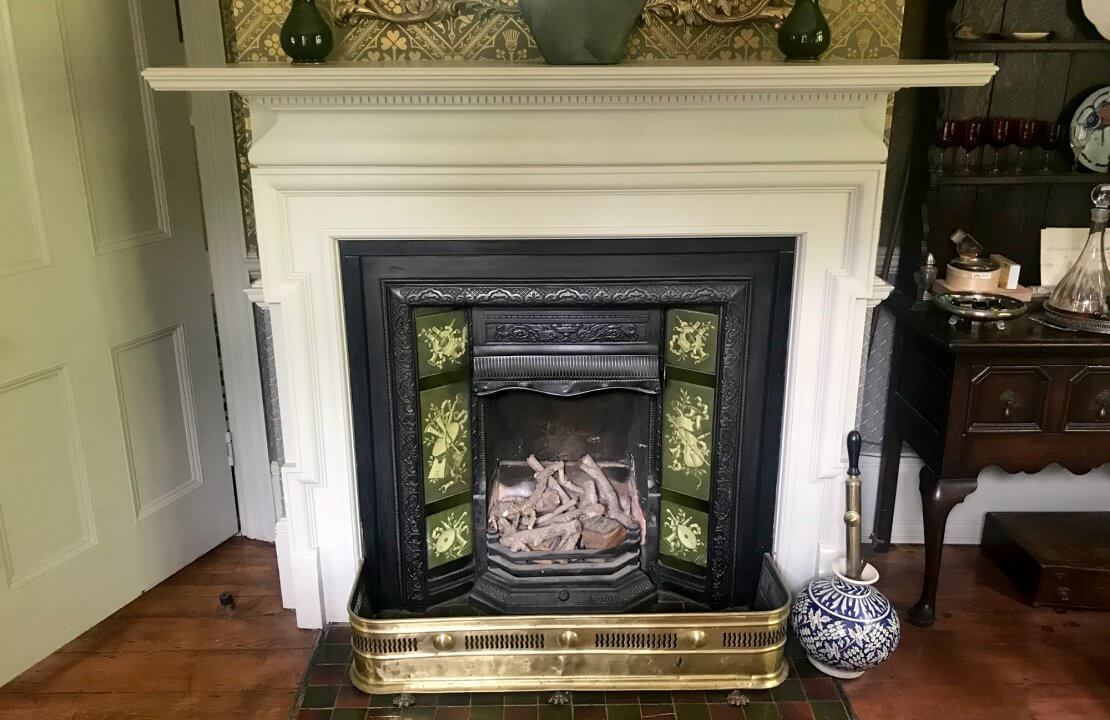
Integrating my Victorian doors into the overall room design required thoughtful consideration. The doors became a focal point, and I needed surrounding elements that complemented rather than competed with their ornate styling. I repainted the walls in deep, rich colors typical of the Victorian era, choosing burgundy for the main wall and cream for the woodwork, which made the dark iron doors stand out beautifully.
I also paid attention to the hearth and mantel styling. I replaced a plain tile hearth with reproduction Victorian tiles featuring geometric patterns in complementary colors. The mantel received decorative objects appropriate to the period: a brass clock, candlesticks, and a beveled mirror. I avoided the temptation to overcrowd the space, remembering that Victorians, despite their love of ornamentation, understood the importance of showcasing prized possessions rather than creating clutter.
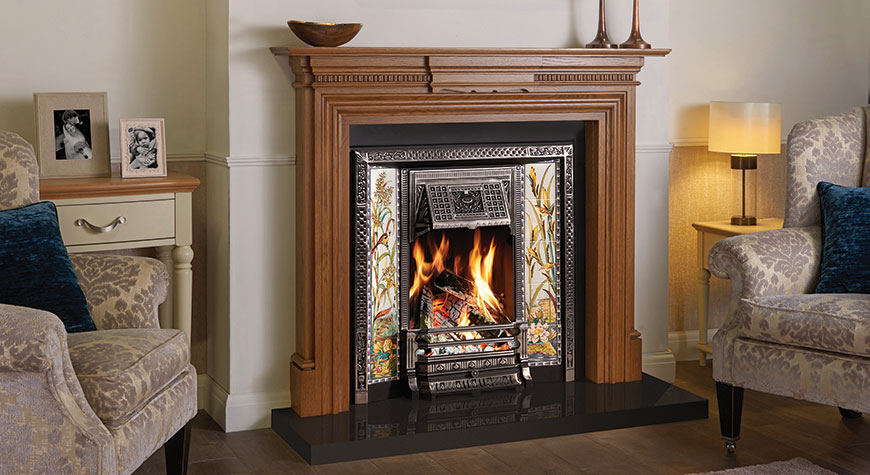
Lighting played a crucial role in highlighting my fireplace doors. I installed wall sconces with Edison-style bulbs on either side of the fireplace, casting warm light that emphasized the doors’ sculptural details and created dramatic shadows in the relief patterns. During fires, the interplay of flickering firelight through the doors’ openings and the room’s ambient lighting created exactly the cozy, romantic atmosphere I’d envisioned when I started this project.
How much should I expect to spend on authentic Victorian fireplace doors?
Original antique doors typically range from $300 to $2,000 depending on condition, rarity, and ornamental complexity. I paid $800 for mine at an architectural salvage yard. High-quality reproductions cost $400 to $1,500, which I found reasonable considering they arrive in perfect condition. Factor in restoration costs for originals, which added another $300 to my project for sandblasting and refinishing.
Can I install Victorian doors on a modern fireplace?
Yes, I’ve seen this done successfully many times. The key is finding doors sized appropriately for your opening or having custom doors made. Modern gas fireplaces work particularly well with Victorian doors since they don’t produce the same corrosive byproducts as wood burning. I’d recommend consulting with your fireplace manufacturer about ventilation requirements and clearances before installation.

How do I clean soot and ash from decorative cast iron doors?
I clean mine after every few uses with a soft brush to remove loose ash, then wipe with a slightly damp cloth. For stubborn buildup, I use a paste of baking soda and water, which is gentle on the finish. Never use harsh chemicals or abrasive scrubbers on decorative ironwork. I apply a protective wax coating annually to make future cleaning easier and prevent rust formation.
Are Victorian fireplace doors safe for regular use?
Absolutely, when properly installed and maintained. My doors have performed safely for five years of regular winter use. Ensure your doors include proper air vents for combustion and that all moving parts operate smoothly. I have my chimney and fireplace professionally inspected annually, which is essential regardless of door style. Modern safety standards can be met while preserving historical aesthetics.
What’s the difference between Victorian and Edwardian fireplace doors?
I struggled with this distinction initially. Victorian doors, from roughly 1837 to 1901, feature heavier ornamentation, Gothic or classical motifs, and substantial cast iron construction. Edwardian designs, from 1901 to 1910, show lighter, more restrained decoration with Art Nouveau influences. The transition is gradual, but Edwardian pieces feel more streamlined. For my 1890s home, I chose late Victorian styling.
Can Victorian doors improve my fireplace’s heating efficiency?
Yes, though I was surprised by how much. My doors reduce heat loss up the chimney when I’m not burning fires by about 90% according to my energy audit. During fires, adjustable vents let me control airflow for optimal combustion. The cast iron radiates heat into the room for hours after the fire dies. I’ve noticed a measurable decrease in my heating bills since installation.

Windsor Victorian Electric Fireplace Insert

Fireplaces & Mantels – Antique Fireplace Doors – Vatican

High Quality Cast Iron Fireplace Door
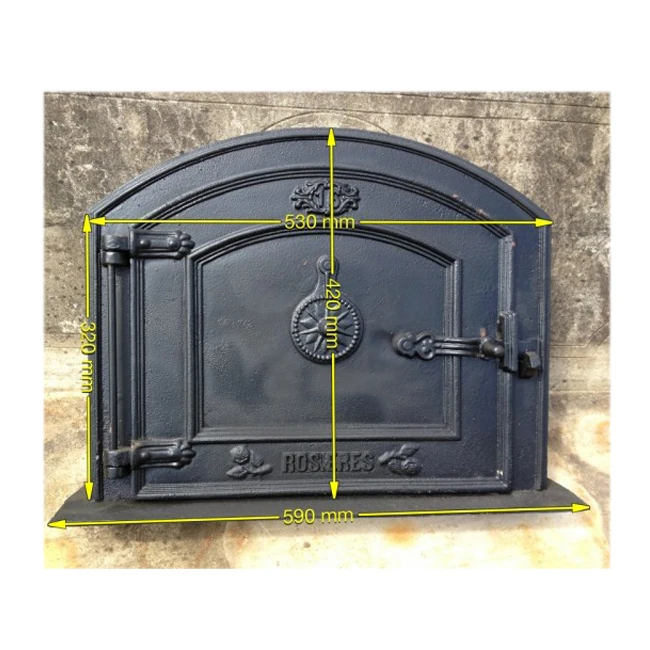
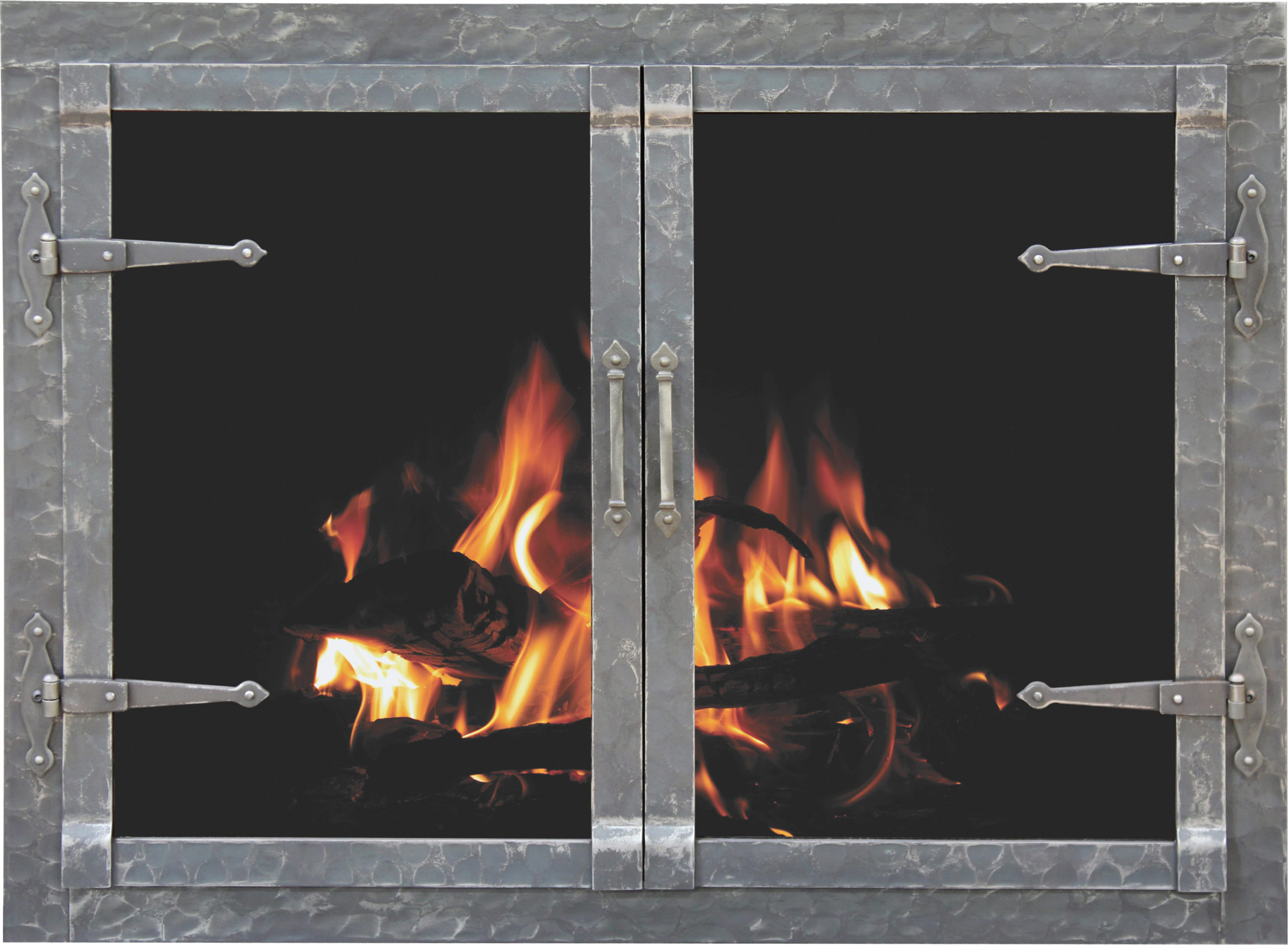
Forged Fireplace Doors Forged Iron Collection Stoll Industries
Related Posts: