When my husband first suggested installing a natural gas fireplace in our living room three years ago, I’ll admit I was skeptical. I grew up with a wood-burning fireplace and couldn’t imagine anything replicating that authentic crackling fire experience. The idea of a gas fireplace felt somehow artificial, like cheating on the real thing. But after extensive research, installation, and now three winters of daily use, I can honestly say that switching to natural gas was one of the best home improvement decisions we’ve made. Let me share everything I’ve learned about living with a natural gas fireplace.
Understanding Different Natural Gas Fireplace Types
My education about gas fireplaces started with learning that there are actually three main types, and choosing the right one significantly impacts both aesthetics and functionality. Direct-vent fireplaces, which I ultimately chose, draw air from outside for combustion and vent the exhaust back outside through a sealed system. This design means they don’t affect indoor air quality and are incredibly efficient. They can be installed almost anywhere with access to an exterior wall, which gives me tremendous flexibility in placement.
Ventless or vent-free gas fireplaces were initially appealing due to their lower installation costs and placement flexibility. However, my research raised concerns about indoor air quality since they release combustion byproducts directly into the room. While modern units have oxygen depletion sensors for safety, I wasn’t comfortable with that option for a fireplace we’d use frequently. Some states and municipalities actually restrict or ban ventless fireplaces due to these concerns, which reinforced my decision to avoid them.
B-vent or natural vent fireplaces represent a middle ground, using indoor air for combustion and venting through a traditional chimney. If you already have a chimney from a wood-burning fireplace, converting to B-vent can be cost-effective. However, these units are less efficient than direct vent because they draw heated air from your home. After weighing all options against my priorities of efficiency, safety, and aesthetics, the direct vent system made the most sense for our situation and budget.
Installation Process and What to Expect
The installation of my natural gas fireplace was more involved than I anticipated, but less disruptive than I feared. We hired a licensed contractor who specialized in gas fireplace installations, which was necessary given the complexity of gas line work and venting requirements. The entire project took three days from start to finish, including cutting into our exterior wall for the vent termination and running a new gas line from our meter.
The placement decision required careful consideration of multiple factors. I wanted the fireplace centered on our main living room wall for visual balance, but we also needed to ensure proper clearance from combustible materials and access for the gas line. Our contractor helped us understand that the direct vent system could go almost anywhere, but positioning near existing gas lines would reduce installation costs. We ultimately chose a location that balanced aesthetics with practical considerations.
The actual installation involved framing the fireplace opening, installing the firebox unit, connecting gas lines and venting, and then finishing with the surround and mantel. I was present for much of the work and appreciated seeing the careful attention to safety details like proper venting angles and secure gas connections. My contractor pulled all necessary permits and scheduled inspections, which gave me peace of mind that everything met code requirements. The total cost was approximately $4,500, including the mid-range fireplace unit, installation labor, materials, and permits.

Comparing Gas to Wood: The Reality Check
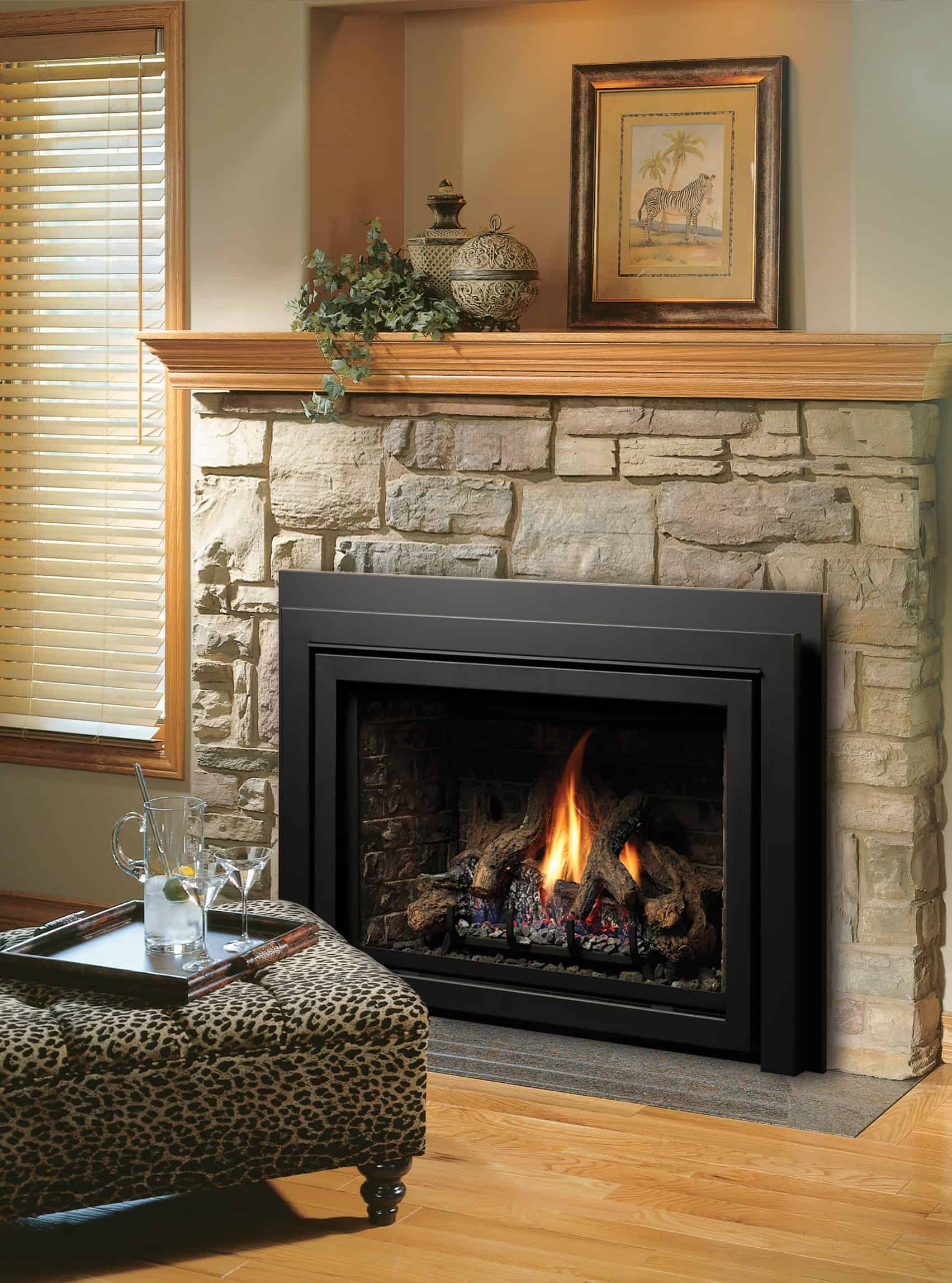
I had to adjust my expectations about what a gas fireplace could deliver compared to traditional wood burning. There’s no denying that gas flames look different from wood flames; they’re more uniform and predictable without the random dancing and crackling that comes from burning logs. However, modern gas fireplaces with realistic log sets and ember beds have come remarkably far. My unit features hand-painted ceramic logs that genuinely fool visitors who assume we’re burning real wood until they get closer.
The convenience factor completely won me over despite initial aesthetic concerns. With wood burning, I spent at least 30 minutes hauling logs, building fires, and cleaning up ash and bark debris. Now I simply press a button on my remote control, and within seconds I have a beautiful fire providing instant warmth. There’s no smoke, no ash, no creosote buildup, and no need to stock and store firewood. For someone who works full-time and values evening relaxation, this convenience is genuinely life-changing.
Heat output was another pleasant surprise. My gas fireplace produces consistent, controllable heat that effectively warms our 400-square-foot living room. I can adjust the flame height and heat output precisely using the remote or wall thermostat, something impossible with wood burning. During power outages, my unit continues working since it doesn’t require electricity, which has been invaluable during winter storms. The efficiency means more heat enters my home rather than escaping up the chimney like traditional fireplaces.

Operating Costs and Energy Efficiency
Understanding the operating costs helped me appreciate the long-term value of my natural gas fireplace investment. My unit costs approximately $1.50 per hour to operate at full output based on current natural gas rates in my area. During a typical winter evening, I run it for 3-4 hours, costing about $5-6 per day. This might sound expensive until you compare it to the alternatives and consider that it supplements our central heating, reducing overall energy costs.
I calculated that a full winter season of regular use costs approximately $400-500 in natural gas, compared to $800-1000 I was previously spending on firewood for our old wood-burning fireplace. Beyond the financial savings, the efficiency gains are remarkable. My direct vent gas fireplace is rated at 75-85% efficiency, meaning most of the fuel energy converts to usable heat. Traditional wood-burning fireplaces typically achieve only 10-30% efficiency, with most heat literally going up the chimney.
The supplemental heating capability has reduced my central heating bills noticeably. Instead of heating our entire house to 72 degrees, I keep the thermostat at 68 and use the fireplace to warm the living spaces we actually occupy during evenings. This zone heating approach saves money while keeping us comfortable. I’ve also noticed our furnace runs less frequently, which should extend its lifespan and reduce maintenance costs over time.

Maintenance Requirements and Long-Term Care
One of my favorite aspects of owning a gas fireplace is the minimal maintenance compared to wood burning. I spent countless hours cleaning my old wood fireplace, scrubbing creosote, hauling ash, and worrying about chimney fires. With my gas unit, annual professional servicing is the only significant maintenance requirement. A certified technician inspects the burner, pilot light, gas connections, and venting system, ensuring everything operates safely and efficiently.
Between professional services, my maintenance routine is remarkably simple. I vacuum the firebox and clean the glass front monthly during heavy use season, which takes maybe 15 minutes total. The glass stays cleaner than I expected, though some buildup occurs over time. I use a specialty fireplace glass cleaner that easily removes any haze or spots. The ceramic logs occasionally need dusting with a soft brush, but they maintain their appearance indefinitely without any special treatments or replacements.
The long-term durability has impressed me after three years of regular use. Nothing has broken, worn out, or required replacement beyond the pilot light igniter, which costs $150 to replac,e including the service call. My technician tells me that with proper annual maintenance, I can expect 15-20 years of reliable operation before major component replacement becomes necessary. This longevity, combined with the minimal upkeep, makes the initial investment feel increasingly worthwhile with each passing season.
Safety Features and Peace of Mind
Safety was a major concern when I was researching gas fireplaces, and I’m happy to report that modern units include numerous built-in protections. My fireplace has an oxygen depletion sensor that automatically shuts off gas flow if oxygen levels drop too low, though this is primarily relevant for ventless units. More importantly, it has a flame sensor that detects if the flame extinguishes and immediately stops gas flow to prevent dangerous gas accumulation.
The cool-touch glass front was essential for me as a parent of young children. While the glass does get warm during operation, it never reaches the dangerous temperatures of an open wood fire. The tempered safety glass is designed to withstand high heat and impacts without shattering. I still taught my kids to respect the fireplace and maintain distance, but I sleep better knowing the design minimizes burn risks compared to our old exposed wood-burning fireplace.
Carbon monoxide concerns were thoroughly addressed through proper installation and venting. My direct vent system exhausts all combustion byproducts outside, so carbon monoxide never enters our living space under normal operation. I still maintain carbon monoxide detectors throughout our home as a precaution, but they’ve never been triggered by the fireplace. The sealed combustion system means I never worry about backdrafting or indoor air quality issues that can occur with traditional fireplaces.

How much does it cost to install a natural gas fireplace, and is it worth the investment?
My mid-range direct vent unit costs $4,500 installed, including permits and finishing work. Basic inserts start around $2,500, while premium models exceed $8,000. I’ve saved approximately $300-400 yearly on heating costs compared to my old wood fireplace, and the convenience is priceless. Installation costs vary significantly based on gas line proximity and venting requirements, so get multiple quotes.
Do natural gas fireplaces look fake, or can they realistically mimic wood-burning fires?
Modern gas fireplaces look surprisingly realistic! My ceramic log set and ember bed fool most visitors. Yes, the flames are more uniform than wood fires, but the overall effect is convincing and beautiful. Higher-end models offer even more realistic appearances with glowing embers and varied flame patterns. The trade-off for slightly less authentic appearance is massive convenience gains.

Can a natural gas fireplace heat my home, or is it just decorative?
Mine effectively heats our 400-square-foot living room and supplements whole-house heating significantly. Output varies by model; my unit produces about 30,000 BTUs. Gas fireplaces are much more efficient than wood-burning fireplaces at converting fuel to usable heat. They work great for zone heating, warming frequently used spaces while keeping the thermostat lower elsewhere, which reduces overall heating costs.
What maintenance does a natural gas fireplace require, and is it expensive?
Annual professional service costs me $150-200 and takes about an hour. Between services, I clean the glass monthly and vacuum the firebox occasionally. That’s it! No ash removal, no chimney sweeping, no firewood hauling. The minimal maintenance is one of my favorite features. Over three years, I’ve only needed one repair, a $150 igniter replacement.

Is a natural gas fireplace safe for homes with children and pets?
Yes, with proper precautions! My cool-touch glass front stays warm but not dangerously hot like open wood fires. Automatic shut-off features and sealed combustion make gas fireplaces very safe. I still supervise young children around it and teach them to keep a distance. The predictable, controllable flame is actually safer than unpredictable wood fires with flying sparks and exposed flames.
Do I need an existing chimney to install a natural gas fireplace?
No! That’s one advantage of direct vent systems: they can be installed on any exterior wall without a chimney. Venting goes horizontally through the wall rather than vertically through a chimney. This flexibility allowed me to place my fireplace exactly where I wanted it. B-vent models do require vertical venting through existing chimneys, but direct vent offers much more placement freedom.

Fireplace Installation

Natural Gas Fireplace Installation

Napoleon® Fireplaces Canada Gas, Electric & Wood Burning Fireplaces
Stove Place II
Montigo Distinction Linear Natural Gas Fireplace 40 000 BTU
GEMCO FIREPLACES
Related Posts: