When I bought my 1970s ranch house two years ago, the fireplace was a dated brick monstrosity painted an unfortunate shade of orange-beige. I knew immediately it had to go, but I wanted something that would bring warmth and character to my living room without feeling too polished or modern. After months of research and a few DIY adventures, I created a rustic tile fireplace that has become the heart of our home. Let me walk you through everything I learned about choosing, installing, and living with rustic tile around a fireplace.
Selecting the Perfect Rustic Tile Style
Choosing the right tile was overwhelming at first because rustic encompasses so many different looks. I visited at least a dozen tile showrooms and spent hours scrolling through online galleries before I understood what would work in my space. The key was defining what rustic meant for my home, whether I wanted weathered farmhouse charm, Mediterranean warmth, or industrial warehouse aesthetics. I ultimately gravitated toward natural stone tiles with irregular edges and varied coloring.
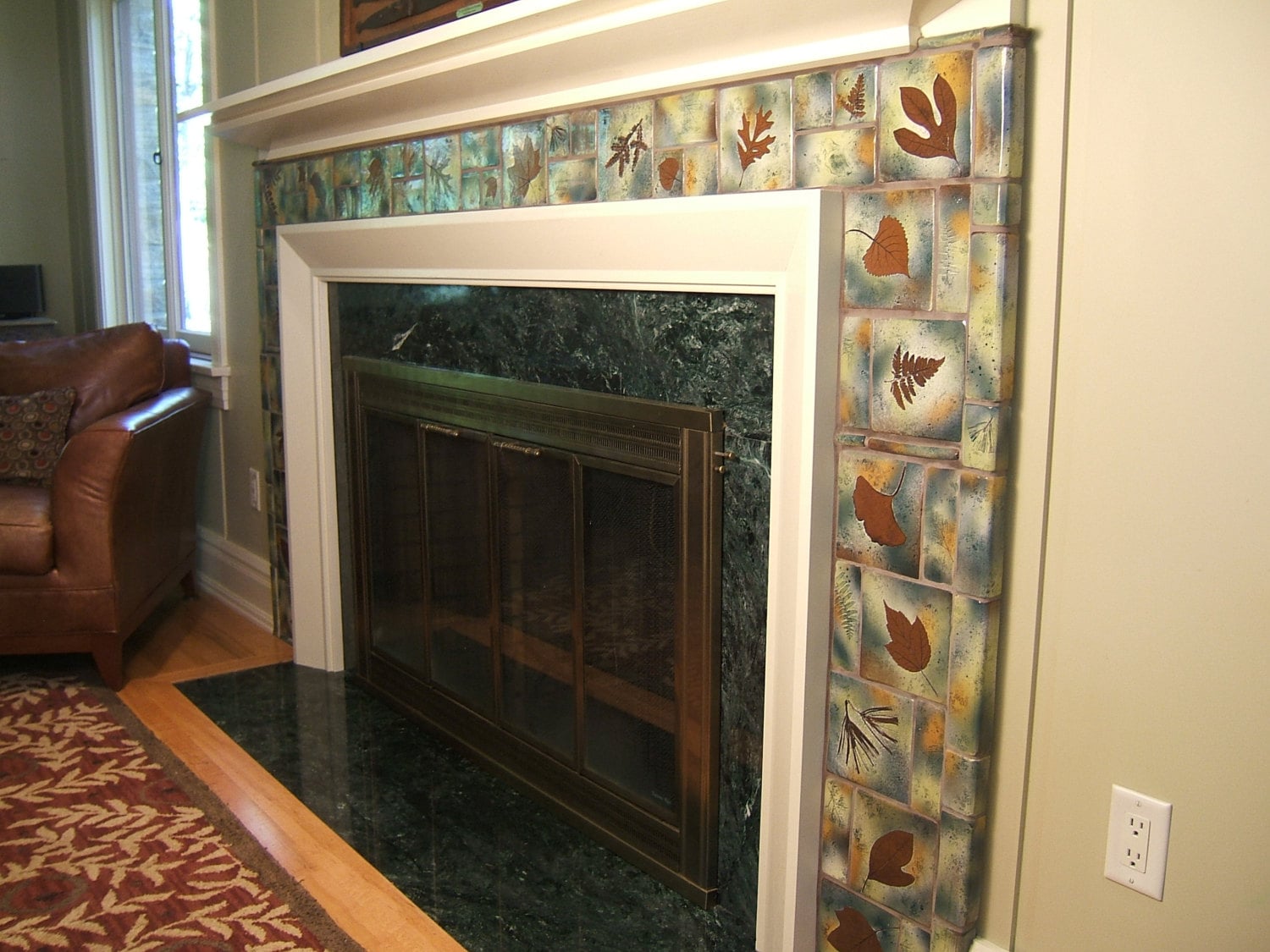
I chose slate tiles in mixed earth tones ranging from charcoal gray to warm brown with hints of copper and rust. Each tile measured roughly 6×6 inches, though the hand-cut edges meant no two were the same size. This irregularity was precisely what I loved because it created an organic, timeworn appearance that felt authentic rather than manufactured. The natural cleft surface had a beautiful texture that caught light differently throughout the day, adding depth and visual interest.
During my selection process, I also considered reclaimed brick, rough-hewn stone, and even concrete tiles designed to look weathered. What sold me on slate was its durability combined with its naturally rustic appearance. The stone required no artificial distressing or faux-aging treatments; it was genuinely textured and imperfect straight from nature. I bought extra tiles to account for breakage during installation and to have future replacements if needed, though slate’s toughness means that’s unlikely.
Planning the Layout and Design
Layout planning took more thought than I expected because I wanted the tile to make a statement without overwhelming the room. I decided to tile from floor to ceiling, creating a dramatic focal point that draws the eye upward and makes the room feel taller. This decision meant I needed about 80 square feet of tile, significantly more than if I’d only surrounded the firebox, but the impact has been worth every extra tile.
I sketched multiple layout options before settling on a stacked pattern rather than a traditional brick-style offset. The vertical lines created by the stacked installation emphasize the height of the fireplace and feel more contemporary, which balances the rustic tile material nicely. I also planned for a thick wooden mantel made from reclaimed barn wood, which would break up the stone and provide a place for seasonal decorations and family photos.
The hearth design required special attention since it needed to extend 16 inches in front of the firebox for safety code compliance. I used the same slate tiles but laid them in a herringbone pattern to differentiate the hearth from the vertical surround. This subtle pattern variation adds visual interest while maintaining material consistency. I also considered how the tile would transition to my hardwood floors, ultimately choosing a simple flush transition that lets both materials shine.
Installation Challenges and Solutions
Installing rustic tile on a fireplace surround proved more challenging than the YouTube videos suggested, but tackling it myself saved me at least $2,000 in labor costs. The biggest challenge was working around the existing firebox and ensuring everything remained level despite the irregular tile edges. I used a high-temperature mortar specifically rated for fireplace applications, which was crucial for safety and longevity in an area exposed to heat fluctuations.
The irregular edges of my slate tiles meant traditional spacers didn’t work effectively. Instead, I eyeballed the spacing, aiming for roughly 3/8-inch grout lines that accommodated the natural variations in tile size. This actually worked to my advantage because the inconsistent spacing enhanced the rustic, handcrafted appearance I wanted. I dry-laid the entire surround first, arranging tiles to create the most pleasing color distribution before applying any mortar.
Working vertically presented its own difficulties as gravity wanted to pull those heavy stone tiles down before the mortar set. I started from the bottom and worked up in small sections, allowing each section to set before continuing. I used painter’s tape to hold tiles in place temporarily and worked slowly to ensure each piece was properly adhered. The whole installation took three long weekends, but the satisfaction of doing it myself made every sore muscle worthwhile.

Grouting Techniques for an Authentic Look
Grout selection dramatically impacts the final appearance of rustic tile, and I agonized over this decision perhaps more than any other aspect of the project. I tested five different grout colors on sample boards before choosing a warm charcoal gray that complements the slate’s natural tones without disappearing completely. The grout needed to be dark enough to hide inevitable soot marks near the firebox but not so dark that it created a harsh contrast.
I used a sanded grout because my 3/8-inch grout lines required the added strength that sand provides. The application process was messy and physically demanding, but I loved seeing the tile come to life as the grout filled the spaces between stones. I deliberately left some areas slightly uneven and didn’t obsess over perfectly smooth grout lines, embracing imperfections that enhanced the rustic character rather than fighting for perfection.
Sealing the grout was non-negotiable given the fireplace’s exposure to heat, soot, and potential water from cleaning. I waited the recommended 72 hours for the grout to cure fully, then applied two coats of penetrating sealer to both the grout and the slate tiles. This protection has made maintenance infinitely easier, and I reapply sealer annually before winter when we use the fireplace most frequently. The sealed surface repels most stains and makes cleaning ash and soot much simpler.

Styling and Decorating Around Rustic Tile
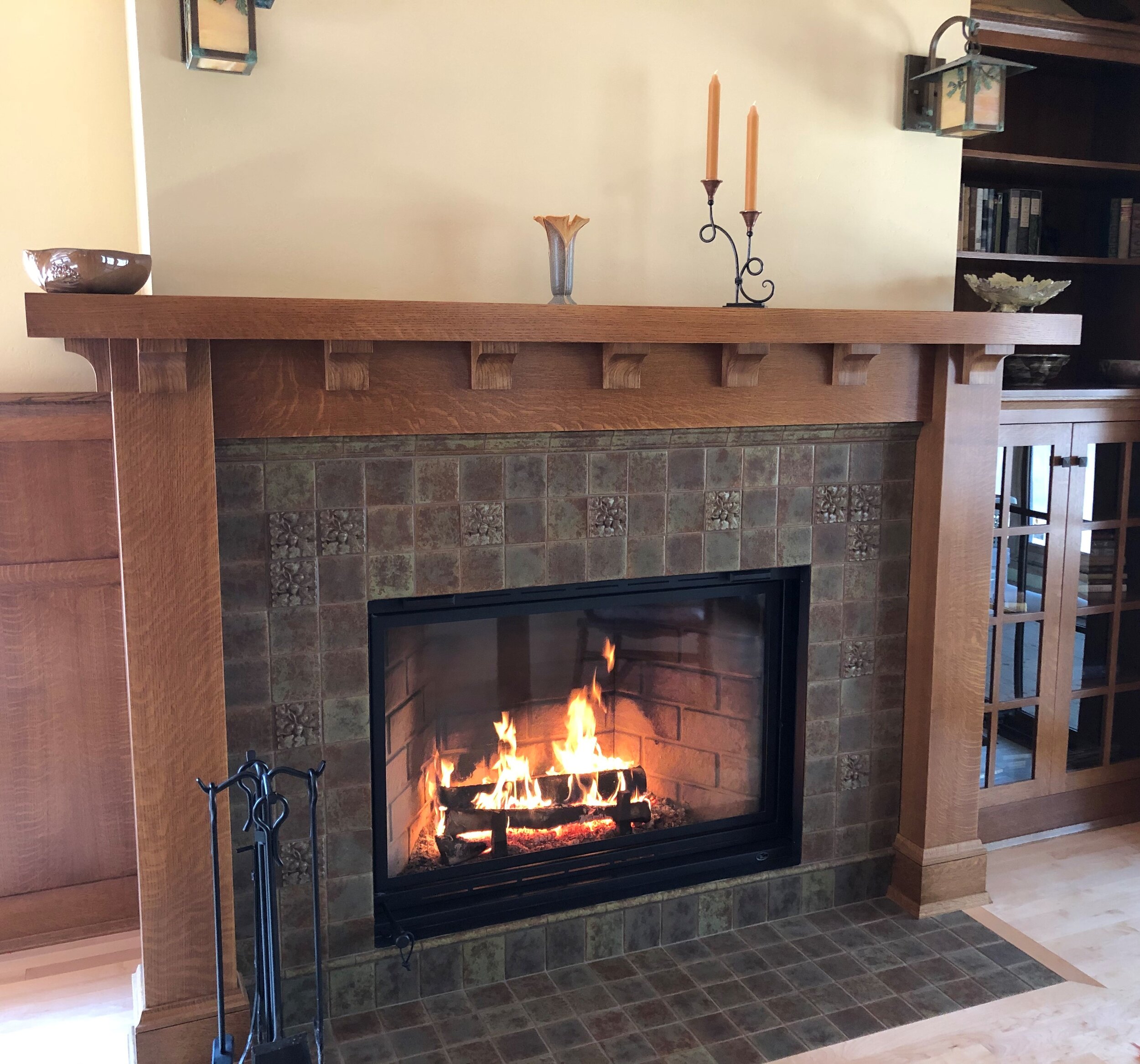
Once the tile installation was complete, I faced the fun challenge of styling the fireplace to complement its rustic character without going overboard with country kitsch. The reclaimed wood mantel provides the perfect ledge for rotating seasonal decorations, but I’ve learned that less is definitely more when working with such a visually textured backdrop. The tile itself is the star, and decorations should enhance rather than compete with it.
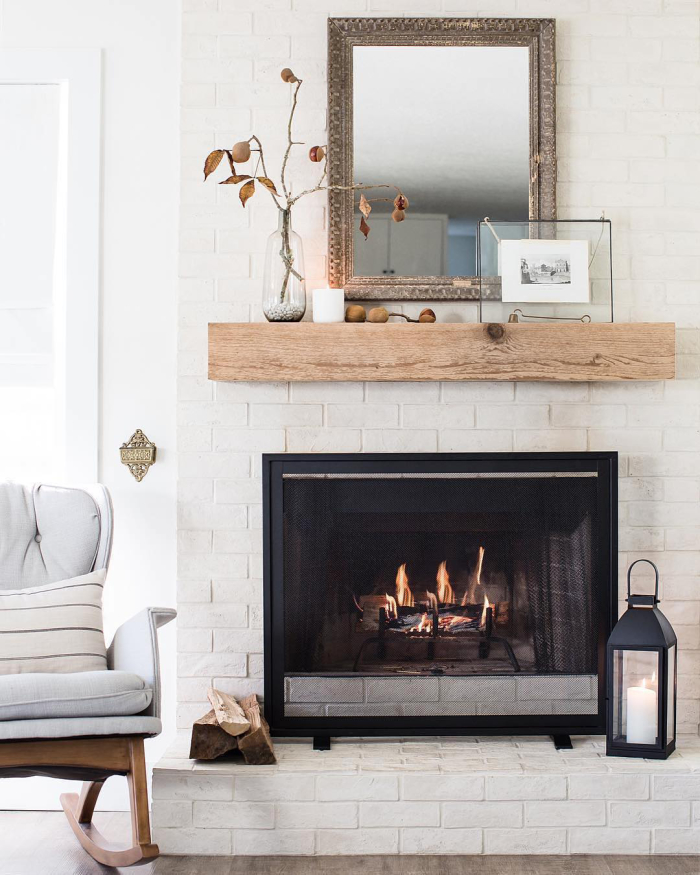
I mounted a large vintage mirror above the mantel to reflect light and make the room feel more spacious. The ornate frame adds a touch of elegance that balances the rough texture of the slate, creating an interesting juxtaposition of refined and rustic elements. I also added simple iron candlesticks and a few pieces of weathered pottery that echo the earth tones in the tile without adding visual clutter.
The furniture arrangement changed completely once the fireplace became such a striking focal point. I angled our sofa and chairs to face the fireplace, creating an intimate conversation area that feels cozy and inviting. I chose a neutral color palette for the room, warm creams and soft grays, that allows the fireplace to command attention. During winter evenings with a fire burning, the slate reflects the flickering flames beautifully, creating dancing shadows and a warm ambiance that makes our living room magical.
Long-Term Maintenance and Care
Living with a rustic tile fireplace for two years has taught me that maintenance is minimal but important. Regular dusting with a soft brush attachment keeps the textured slate clean, and I vacuum the hearth weekly to remove ash and debris. The sealed surface means most soot wipes away easily with a damp cloth, though I do need to scrub occasionally with a pH-neutral stone cleaner for stubborn marks.
The most important maintenance task is annual resealing before winter. I clean the entire surface thoroughly, allow it to dry completely, then apply fresh penetrating sealer to both tiles and grout. This 30-minute job protects against staining and makes regular cleaning much easier throughout the heavy-use season. I’ve noticed the slate has darkened slightly over time, developing a richer patina that I actually prefer to the original appearance.
Surprisingly, the rustic nature of the tile means that minor imperfections blend in rather than standing out. A small chip occurred when I accidentally knocked a fireplace tool against the slate, but it’s virtually invisible among the natural irregularities of the stone. This forgiving quality is one of the best features of choosing rustic materials; they age gracefully and hide the inevitable wear that comes with actual use and family life.

Is rustic tile safe to use directly around a fireplace, or are there special requirements?
Safety is crucial! I used tiles rated for high heat and high-temperature mortar specifically designed for fireplace applications. Natural stone, like slate, granite, and certain ceramics, works well. Always check local building codes for clearance requirements and use materials rated for direct heat exposure. My installer confirmed everything met safety standards before I started the project.
How much did it cost to tile my fireplace surround, including materials and tools?
My floor-to-ceiling slate surround cost approximately $1,200 for materials, including tiles at $8 per square foot, mortar, grout, sealer, and tools I didn’t already own. Professional installation quotes ranged from $2,500-4,000 for the same project. DIY saved me money but required three weekends of work. Smaller surrounds that only frame the firebox would cost significantly less.

Can I install rustic tile over existing brick or do I need to remove everything first?
I successfully tiled directly over my existing brick after thorough cleaning and applying a bonding agent. The brick provided a stable, heat-resistant substrate that saved demolition time and mess. Make sure the existing surface is sound, clean, and not painted with anything that could prevent adhesion. Some situations may require removal, so assess your specific fireplace condition first.
What’s the best grout color for rustic tile to achieve an authentic aged look?
I chose charcoal gray grout that complements my slate’s earth tones while hiding soot marks. For an authentic rustic appearance, match grout to your tile’s darker tones rather than using white or light colors that create harsh contrast. Test samples before committing! Consider that grout near the firebox will darken over time from use, regardless of original color.
How do I clean soot and ash from textured rustic tile without damaging it?
I vacuum loose ash regularly and wipe with damp microfiber cloths for everyday cleaning. For stubborn soot, I use pH-neutral stone cleaner and a soft brush, avoiding acidic cleaners that can damage natural stone. The annual sealer application makes cleaning much easier by preventing stains from penetrating. Never use harsh chemicals or abrasive scrubbers on natural stone tiles.
Will rustic tile make my room feel dark and cave-like, or can it work in smaller spaces?
This was my concern too! Good lighting is key; I added recessed lights above the fireplace and used warm-toned bulbs throughout the room. The natural variations in slate actually reflect light beautifully. In smaller rooms, consider tiling just around the firebox rather than floor-to-ceiling, or choose lighter-toned rustic tiles like limestone or light sandstone to keep the space feeling open.

Stylish Fireplace Tile Ideas for Your Fireplace Surround
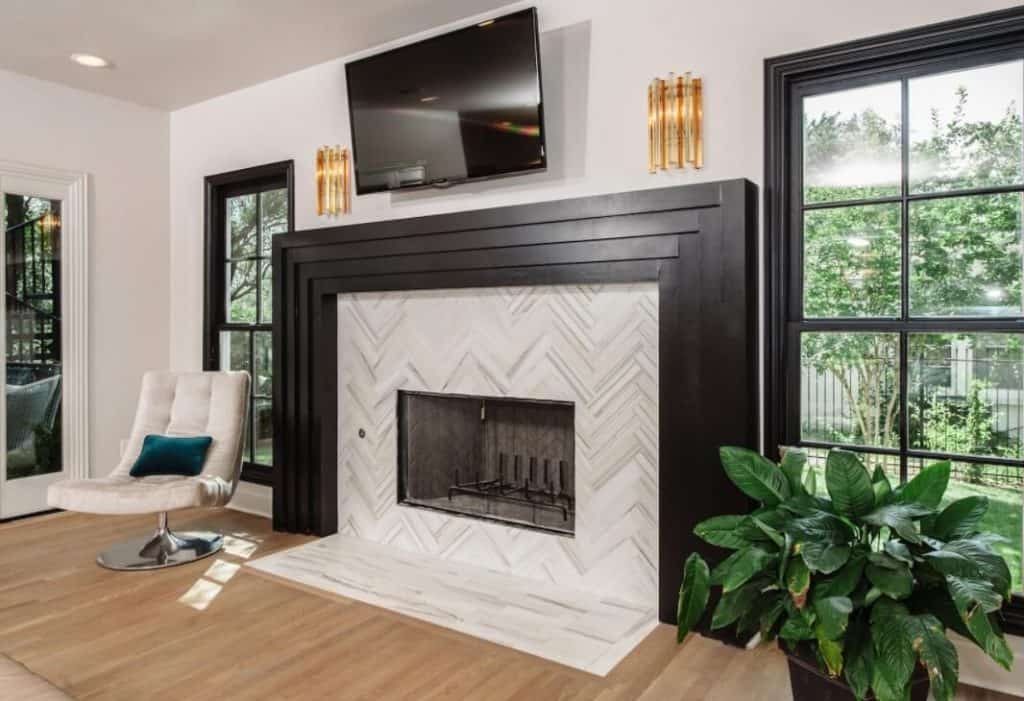
Hot Fireplace Tile Trends Bedrosians Tile u0026 Stone
DIY Brick Fireplace Makeover – Lemon Thistle
Related Posts: