When I moved into my century-old farmhouse three years ago, the fireplace was the heart of the living room but desperately needed styling help. The plain wooden mantel felt bare and uninspiring, lacking the cozy charm I envisioned for our family gatherings. After countless hours browsing Pinterest and making plenty of decorating mistakes, I’ve learned how to create a mantel display that perfectly captures that authentic farmhouse aesthetic. The key is balancing rustic elements with personal touches while keeping everything functional for a home with kids and pets.
Building a Foundation with Natural Materials
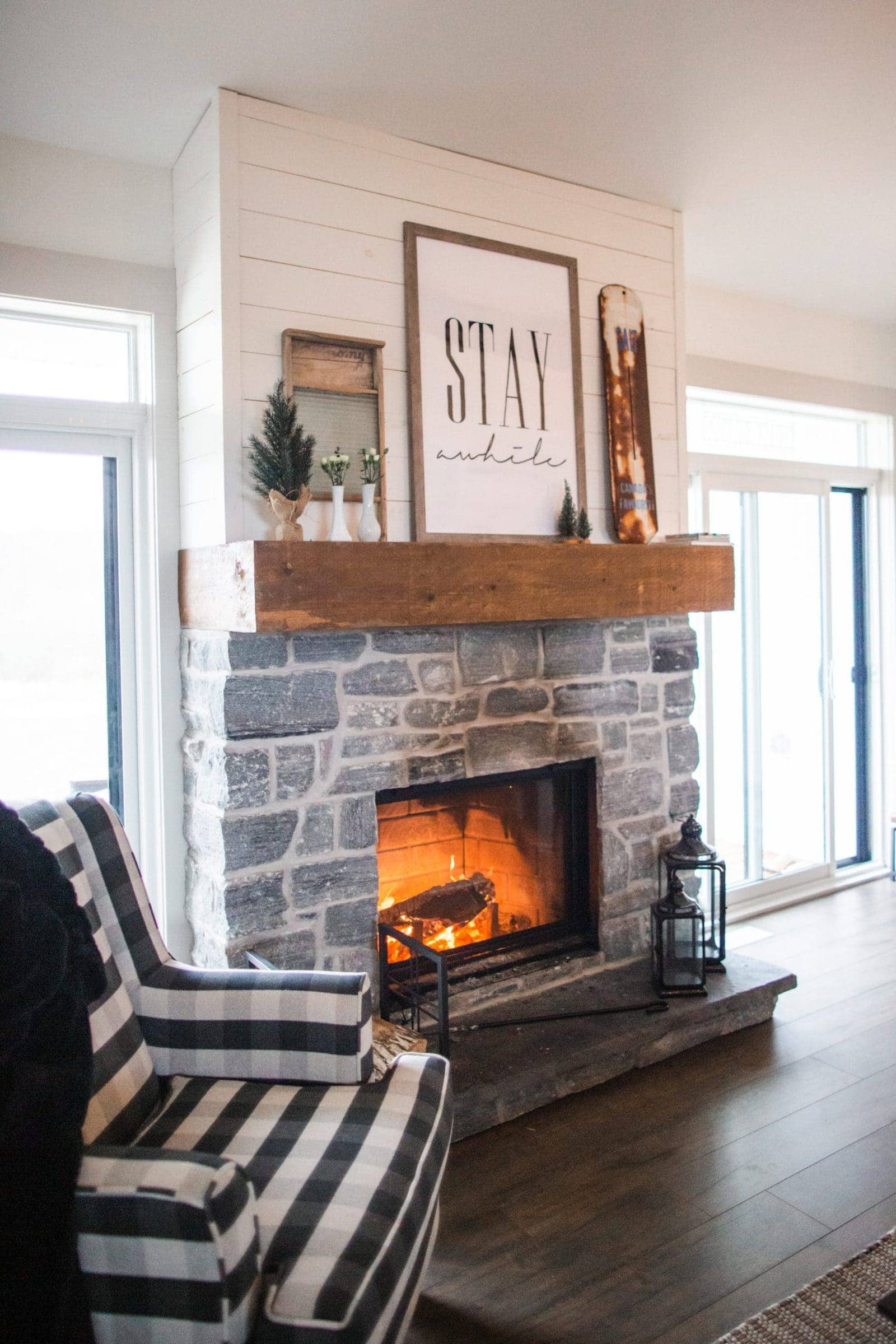
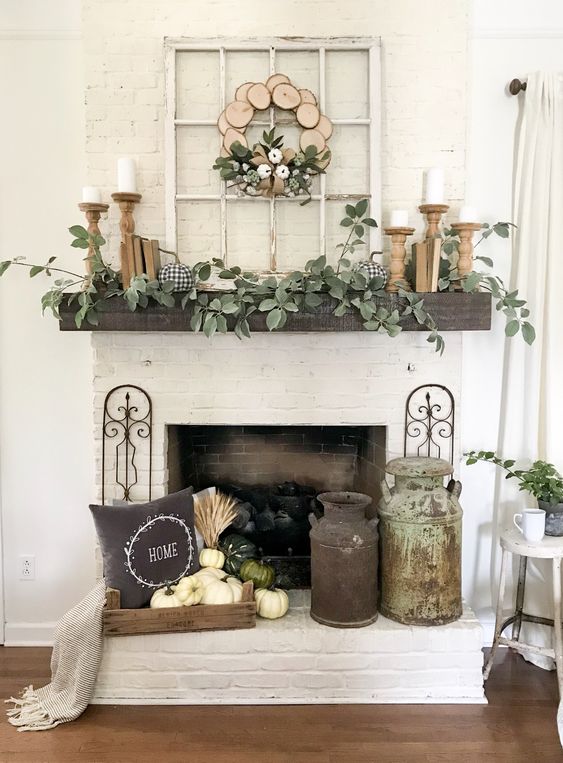
I discovered that starting with natural textures creates the perfect base for any farmhouse mantel design. My go-to foundation pieces include weathered wood boxes, galvanized metal containers, and woven baskets that add instant rustic charm. I found most of these treasures at flea markets and antique shops, though some quality reproductions from home stores work just as well. The key is mixing different textures and patinas to create visual interest and authentic character.
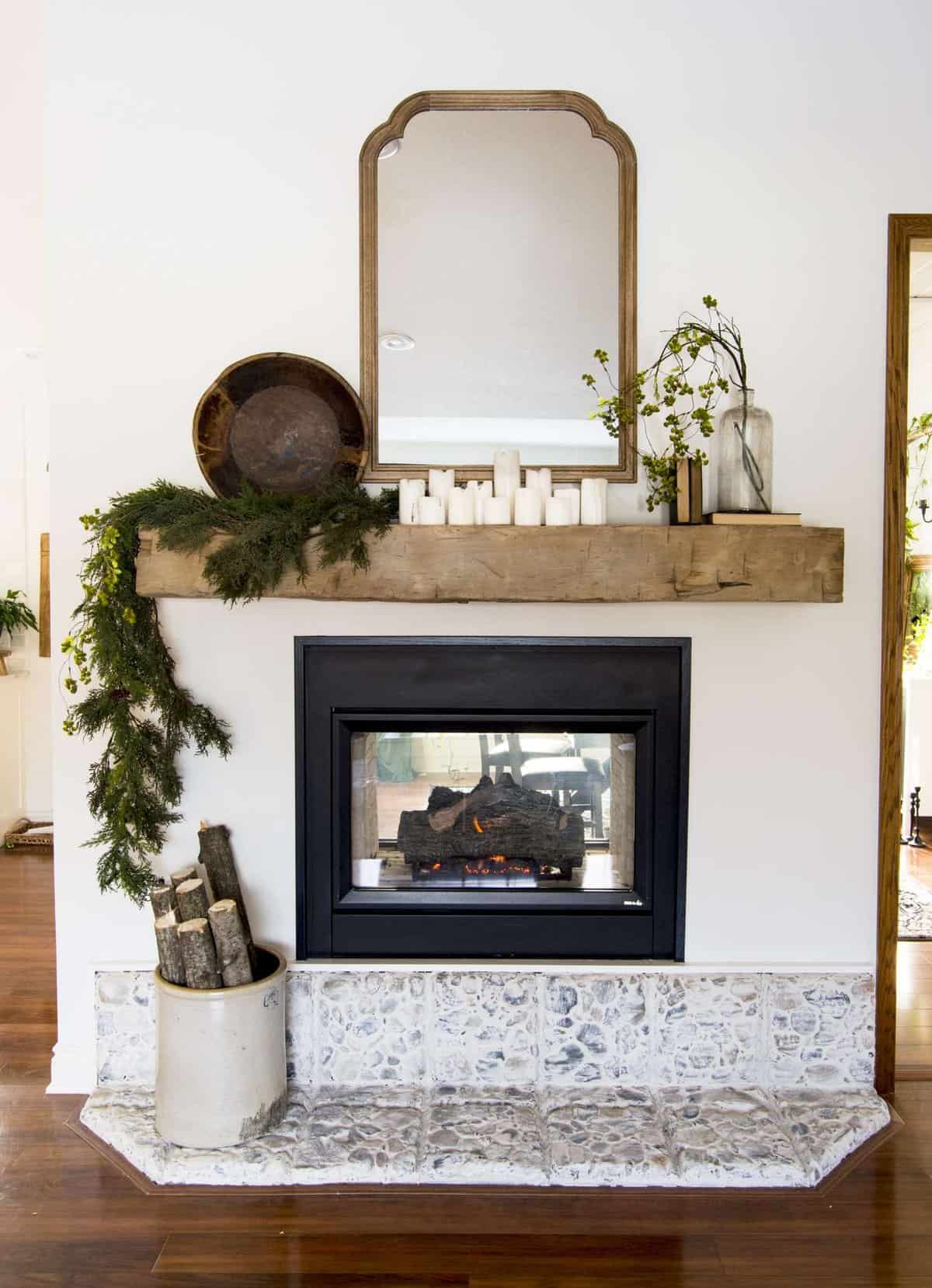
Stone elements became another crucial component of my mantel foundation. I collected smooth river rocks during family hikes and arranged them in vintage wooden bowls for natural texture. Large pieces of driftwood or reclaimed barn wood serve as horizontal elements that help anchor taller decorative pieces. These natural materials cost very little but provide the organic, weathered look that defines authentic farmhouse style.
The beauty of using natural materials is how they change with the seasons without requiring major rearrangement. In spring, I nestle fresh branches with budding leaves among my wooden boxes. Summer brings wildflowers in mason jars, while autumn calls for dried corn stalks and pumpkins. Winter gets evergreen sprigs and pinecones. This seasonal rotation keeps the mantel feeling fresh while maintaining the consistent natural foundation that ties everything together year-round.
Creating Height and Visual Balance
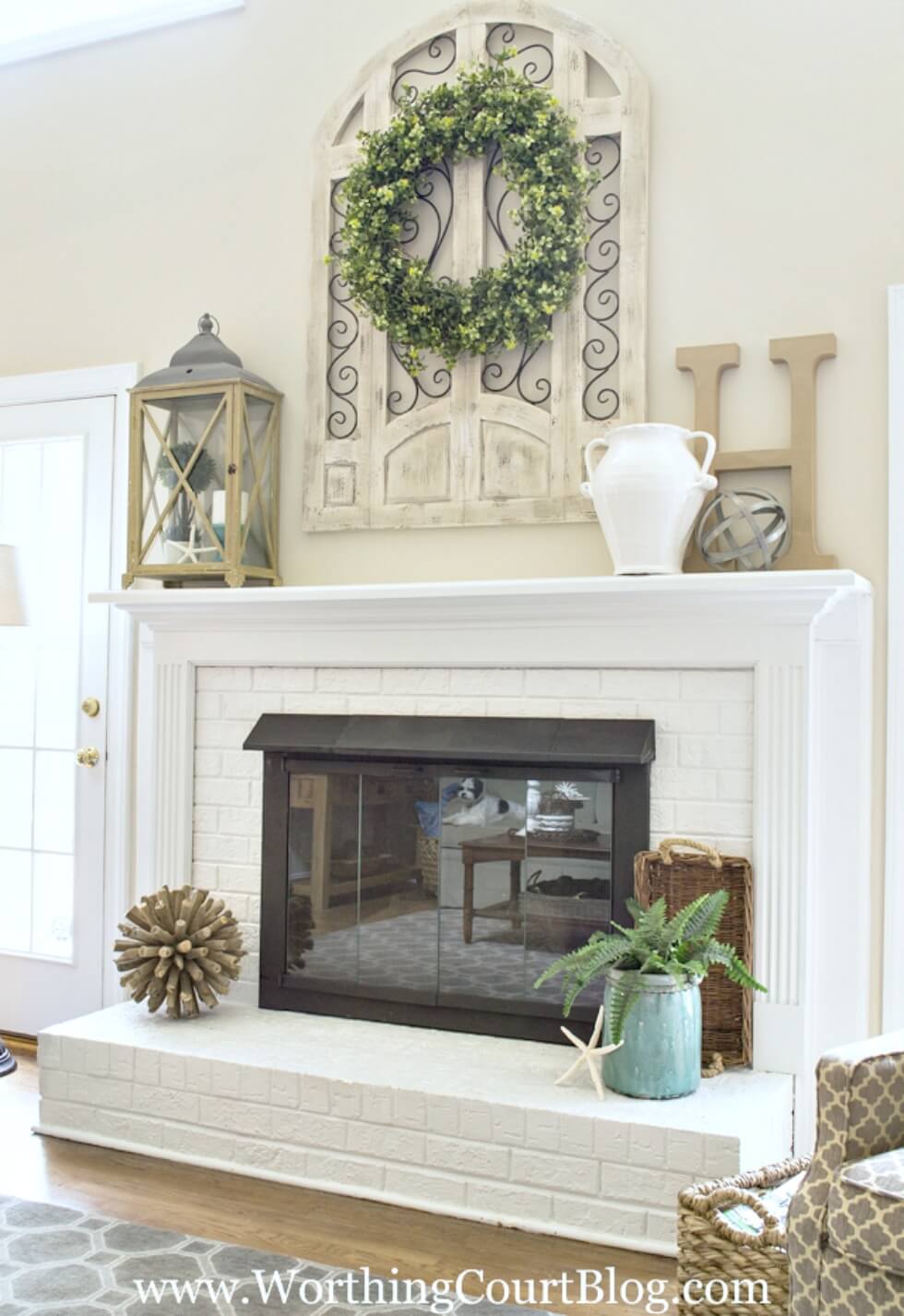
Learning to create proper visual balance took me several attempts and lots of trial and error. I now use the rule of odd numbers and varying heights to create pleasing arrangements that draw the eye across the entire mantel length. My tallest elements, like vintage milk jugs or tall candlesticks, anchor the ends and create bookends for smaller items clustered in the center. This creates a triangular composition that feels natural and balanced.
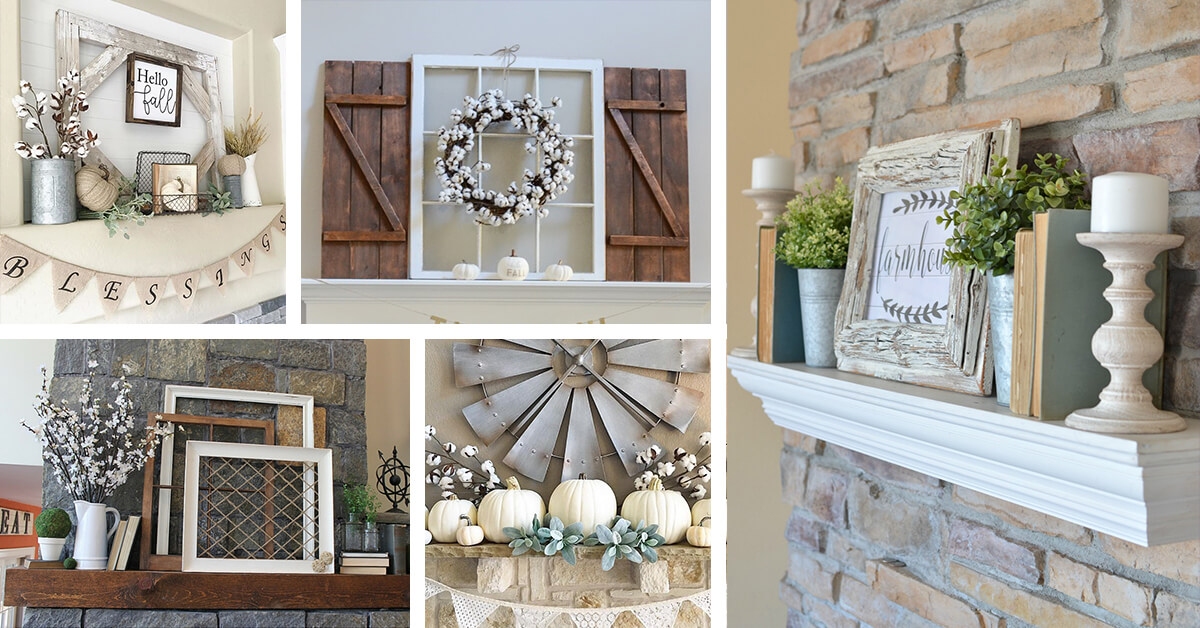
Layering became my secret weapon for adding depth without cluttering the mantel surface. I lean vintage signs or framed botanical prints against the wall behind shorter decorative objects. This technique creates multiple visual planes and makes the display feel more substantial and intentional. I’ve learned that grouping items in clusters of three or five works better than spacing everything evenly, which can look too formal for the farmhouse aesthetic I’m pursuing.
Scale relationships matter tremendously for achieving professional-looking results. I mix large statement pieces with medium supporting elements and small detail items to create rhythm and visual interest. For example, I might pair a large galvanized pitcher with medium-sized mason jars and small wooden spools or vintage buttons scattered around the base. This size variation prevents the display from looking monotonous while maintaining the cohesive farmhouse style throughout.

Incorporating Vintage and Antique Pieces
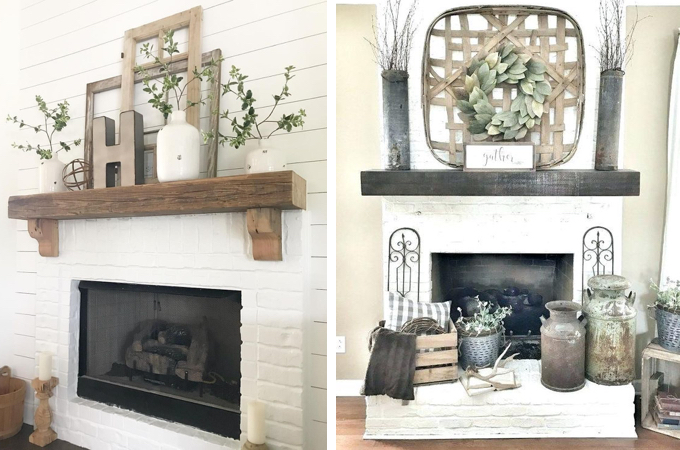
My most treasured mantel pieces came from estate sales, antique malls, and my grandmother’s attic. Authentic vintage items bring instant character and history to any farmhouse display, and the patina of age can’t be replicated by new pieces. I look for items like old mason jars, vintage scales, weathered picture frames, and antique books with worn leather bindings. These pieces tell stories and create conversation starters when guests visit our home.
Repurposing everyday vintage items as decorative elements has become one of my favorite creative challenges. Old kitchen utensils, worn cutting boards, and vintage linens all find new life as mantel decorations. I display antique rolling pins, wooden spoons, and copper colanders as sculptural elements that celebrate the utilitarian beauty of farmhouse living. These functional objects remind us of simpler times when items were built to last and beauty was found in everyday necessities.
Authentication isn’t always necessary for achieving the right look, but I’ve learned to spot quality reproductions that capture the essence of vintage pieces without the premium price. The key is looking for items with realistic wear patterns, appropriate materials, and proper proportions. New pieces that try too hard to look old often miss the mark, while simple, well-made reproductions can blend seamlessly with authentic antiques in a thoughtfully curated display.
Seasonal Decorating Strategies
I’ve developed a rotation system that keeps my mantel looking fresh throughout the year without requiring complete redesigns. My base elements, the weathered wood boxes, galvanized containers, and neutral textiles, stay constant while I swap out seasonal accents and natural elements. This approach saves time and money while ensuring the mantel always feels current and celebrates the changing seasons outside our windows.
Spring brings fresh greenery and delicate flowers in vintage mason jars and milk glass vases. I forage branches with new leaves, cherry blossoms, and wildflowers from our property to create free, natural arrangements. Small bird nests, speckled eggs, and pastel-colored vintage books add subtle seasonal color without overwhelming the rustic foundation. The key is keeping spring decorations light and airy to reflect the season’s renewal and growth.
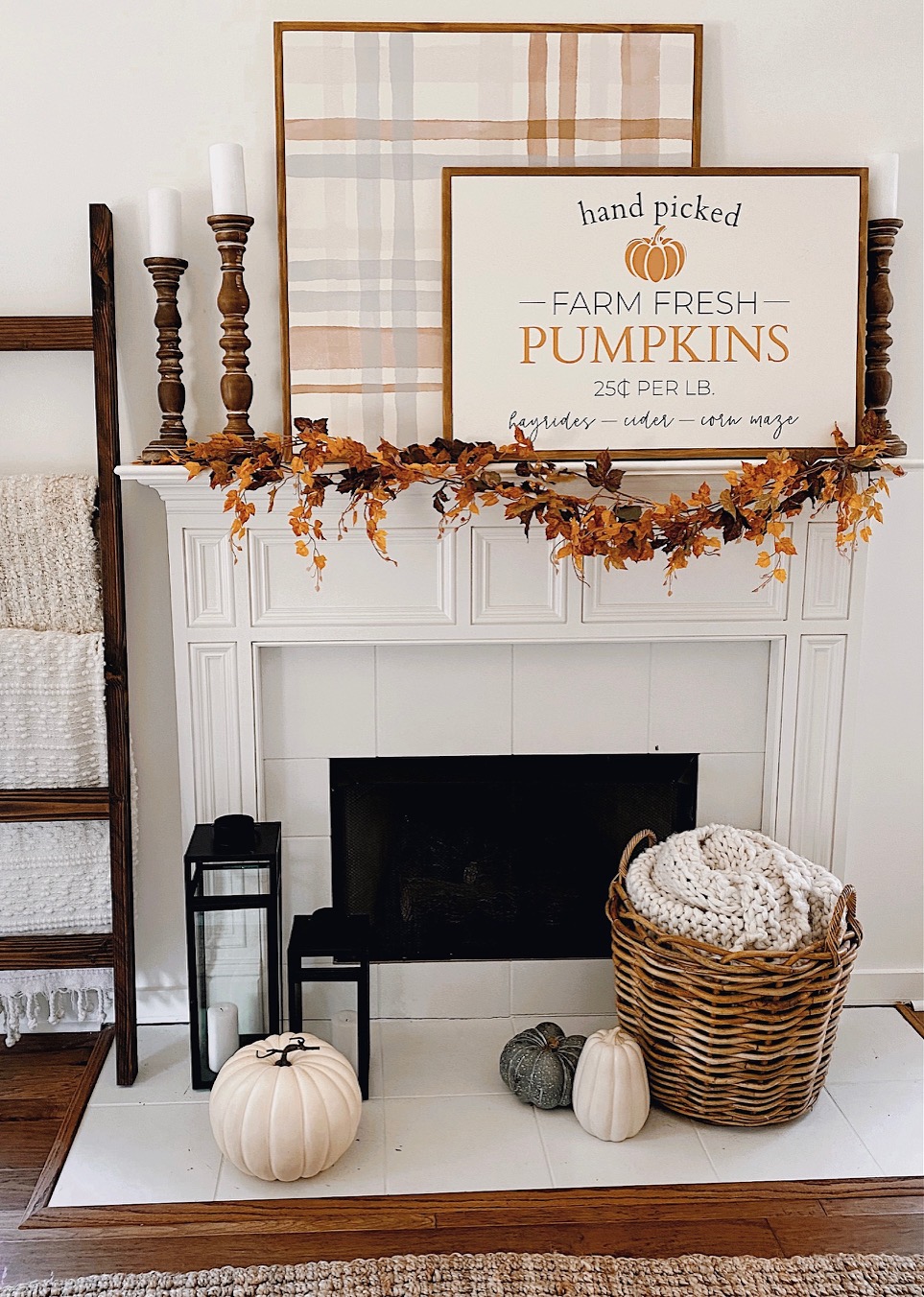
Fall has become my favorite season for mantel decorating because the harvest theme aligns perfectly with farmhouse aesthetics. I incorporate miniature pumpkins, gourds, dried corn, and wheat sheaves collected from local farms. Rich oranges, deep reds, and golden yellows create warmth as the weather cools. I add cozy elements like plaid textiles, hurricane lanterns with candles, and small wooden signs with autumn sayings to enhance the seasonal ambiance our family craves.
DIY Projects and Budget-Friendly Solutions
Creating farmhouse charm doesn’t require expensive purchases, and some of my favorite mantel pieces came from simple DIY projects using materials I already had. I transformed plain wooden boxes with milk paint and sandpaper to create perfectly weathered containers for seasonal displays. Old glass jars became rustic vases with twine wrapped around them, and vintage-looking signs emerged from reclaimed wood and stencils I made myself using cardboard and craft knives.
Thrift stores and garage sales provide endless opportunities for finding pieces that can be transformed with a little creativity and elbow grease. I’ve rescued countless items that seemed too worn or outdated but became perfect farmhouse treasures with some simple modifications. A coat of chalk paint, some strategic sanding, or new hardware can completely transform an ordinary item into something that looks like it came from an expensive boutique.
Natural elements from our property provide free seasonal decorating materials that perfectly capture the farmhouse aesthetic. I collect interesting branches, pinecones, acorns, and dried flowers throughout the year, storing them in labeled boxes for future use. This approach not only saves money but also creates a personal connection between our home’s decor and the landscape around us, making every season feel more meaningful and connected to nature.
Styling Tips for Year-Round Appeal
The secret to a mantel that looks intentional rather than cluttered lies in editing ruthlessly and leaving breathing room between elements. I’ve learned that negative space is just as important as the decorative objects themselves. When I feel tempted to add just one more piece, I usually step back and remove something instead. This restraint creates a more sophisticated look that lets each item shine rather than competing for attention in a crowded display.
Repetition of materials and colors throughout the arrangement creates cohesion that ties disparate elements together. I might use the same type of wood in three different forms, a cutting board, a picture frame, and a small stool, or repeat a color like cream in various textures and finishes. This subtle repetition creates visual harmony while avoiding the monotony that comes from matching everything too precisely.
Functionality remains important even in decorative displays, especially with young children in our home. I ensure that delicate or valuable items are positioned safely out of reach, while sturdy pieces that can withstand occasional bumps occupy the lower areas of the mantel. This practical approach allows us to enjoy beautiful decor without constant worry about damage, making our farmhouse mantel both gorgeous and livable for real family life.
How do I start decorating a farmhouse mantel on a tight budget?
I started with free natural elements from outside and basic items from dollar stores. Mason jars, candles, and small wooden boxes provide great foundations. Thrift stores are goldmines for vintage-looking pieces. Focus on one or two quality anchor pieces first, then build around them slowly with seasonal additions and DIY projects.
What’s the biggest mistake people make with farmhouse mantel decor?
Overcrowding is the most common issue I see. Less is definitely more with farmhouse style. I learned to edit ruthlessly and leave breathing room between items. Also, avoid making everything too matchy. Authentic farmhouse style comes from collected pieces with varied patinas and textures, not perfect coordination.
How often should I change my mantel decorations?
I keep my base elements constant and change seasonal accents four times yearly. This approach is manageable and keeps costs down while ensuring the mantle feels fresh. Some people prefer monthly changes, but I find seasonal rotation strikes the right balance between effort and visual interest for busy family life.
Can farmhouse mantel decor work in modern homes?
Absolutely! Farmhouse elements add warmth and character to contemporary spaces. The key is balancing rustic pieces with cleaner lines and limiting the color palette. I’ve helped friends incorporate farmhouse touches into modern homes by focusing on natural materials and simple forms rather than overly distressed pieces.

What safety considerations should I keep in mind?
With kids and pets, I secure tall items that could tip over and avoid placing breakable pieces where they might get knocked off. I use battery-operated candles instead of real flames for safety. Also, ensure heavy items are stable and won’t shift when the mantel gets bumped during daily activities around the fireplace area.
How do I make new items look authentically vintage?
I use milk paint and strategic sanding to age new wooden pieces. For metal items, I create patina with vinegar solutions or specialized aging products. The key is studying real vintage pieces to understand natural wear patterns, then replicating those subtle signs of age rather than overdoing the distressing process.

Cozy Farmhouse Mantel Decor for Fall She Gave It A Go
Modern Farmhouse Decor Living Room Decor Ideas Floating Wood

Glorious Rustic Mantel Decor Ideas

Styling A Rustic Barn Beam Mantel with Modern Farmhouse Mantel
Best Farmhouse Mantel Decor Ideas and Designs
Modern Farmhouse Summer Mantel Decorating Ideas – Joyful Derivatives

Spring Mantle Decor Fireplace mantle decor, Fireplace mantel

Related Posts: