When I inherited my grandmother’s house four years ago, the massive oak mantel dominated the living room like a monument to another era. While beautiful in its own right, the ornate Victorian design felt completely wrong for the contemporary aesthetic I was creating throughout the home. That mantel became my introduction to the challenging but rewarding process of designing and installing modern fireplace mantels. Through three different projects, I’ve learned that modern mantels can transform not just the fireplace, but the entire room’s character, creating focal points that feel fresh, sophisticated, and perfectly suited to today’s design sensibilities.
Minimalist Floating Designs: Embracing Clean Lines
My first modern mantel attempt was a simple floating shelf made from a single piece of walnut lumber. I wanted something that would disappear into the wall while providing just enough surface for seasonal decorating. The 8-foot slab, mounted with hidden brackets, created the clean, uninterrupted line I was seeking. However, I learned that floating mantels require serious structural support, especially for heavier items like large mirrors or artwork. The mounting system needs to be engineered properly to handle both the weight of the mantel and anything displayed on it.
Installation challenges with floating mantels taught me valuable lessons about wall construction and proper anchoring. My first attempt used standard drywall anchors, which proved inadequate when I tried to hang a heavy mirror above the mantel. I ended up reinforcing the wall with additional blocking between studs and using through-bolts for secure mounting. The engineering required for a truly floating appearance is more complex than it initially seems, but the results are worth the extra planning and structural work required.
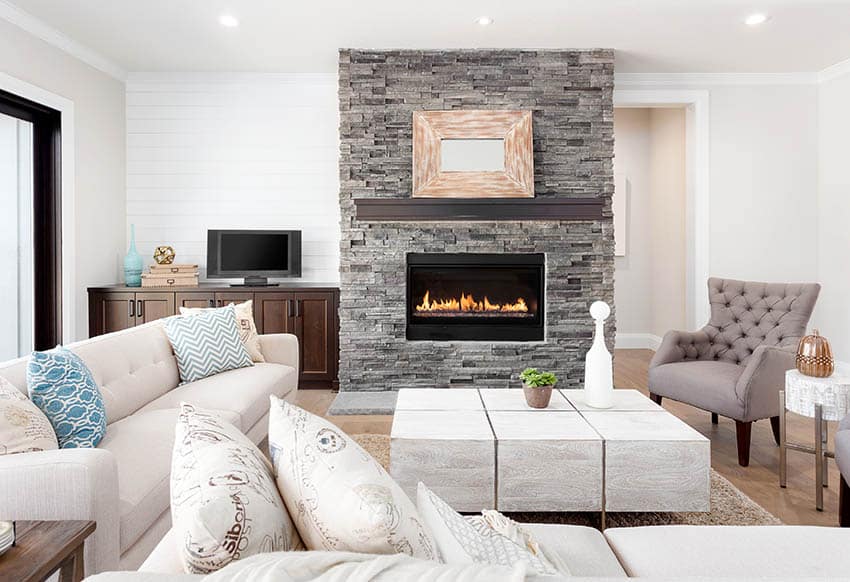
Proportion became critical with minimalist designs since there are no decorative elements to distract from awkward sizing. I initially chose a 6-inch deep shelf that looked lost against the large brick surround. Increasing to 10 inches provided better visual weight and more practical display space. The length also matters significantly. I found that extending the mantel 6-8 inches beyond the firebox opening on each side creates better balance. Simple doesn’t mean easy when it comes to getting proportions right in minimalist mantel designs.
Industrial Metal Elements: Adding Edge and Character
Steel became my material of choice for the guest room fireplace, where I wanted something with more personality than basic wood. I worked with a local metalworker to create a custom steel mantel with a raw, blackened finish that complemented the room’s industrial aesthetic. The 3-inch thick steel beam spans 7 feet and appears to float effortlessly above the firebox. The contrast between the rough steel texture and smooth surrounding walls creates exactly the visual tension I was hoping to achieve in this space.
Combining materials opened up exciting design possibilities I hadn’t initially considered. For my home office fireplace, I created a hybrid mantel using a steel frame with a live-edge walnut shelf. The warm wood softens the industrial edge of the metal while the steel structure provides clean, modern lines. This combination allows me to incorporate both industrial and natural elements that reflect my style. The key is ensuring the materials complement rather than compete with each other for attention.
Mounting industrial mantels requires different techniques than traditional wood installations. Steel mantels are significantly heavier and often require specialized hardware and additional structural support. I learned to work closely with both the metalworker and a structural engineer to ensure proper mounting systems. The investment in professional consultation and quality hardware prevents dangerous failures and ensures the mantel can safely support decorative items and seasonal displays for years to come.

Natural Wood with Contemporary Styling: Modern Meets Organic
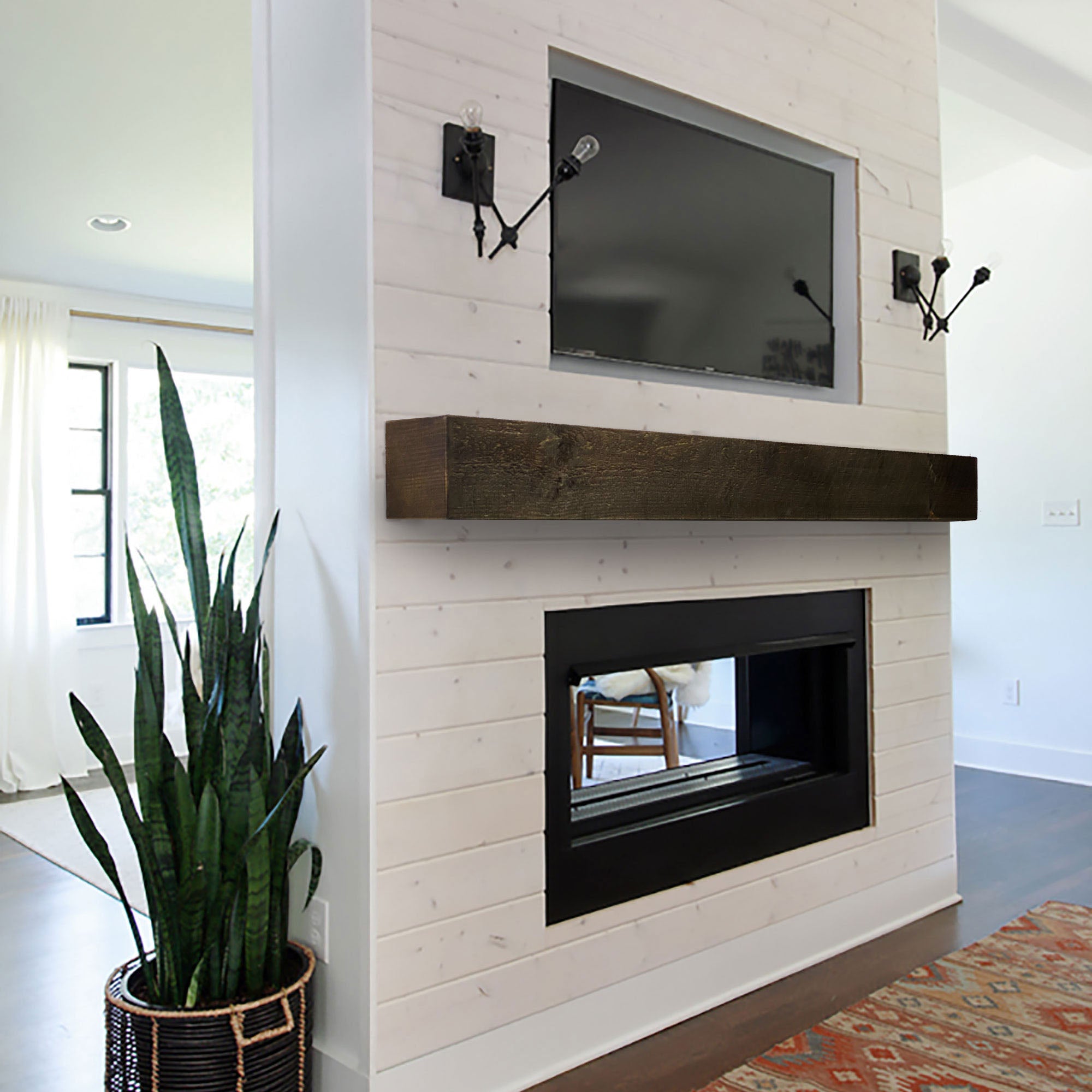
Live-edge slabs transformed my master bedroom fireplace into a stunning focal point that bridges modern and rustic aesthetics. I selected a 10-foot black walnut slab with beautiful natural edge details that bring organic warmth to the contemporary space. The challenge was mounting such a large, irregular piece while maintaining the floating appearance I wanted. Custom steel brackets hidden within the wall provide the necessary support while keeping the organic edge as the star of the design.
Wood preparation and finishing techniques significantly impact the final appearance of contemporary wood mantels. I chose to highlight the natural grain with a clear matte finish that protects the wood while maintaining its organic texture. Sanding progression from 120 to 320 grit created the smooth surface needed for modern appeal while preserving the wood’s character. I learned that the finishing process can take longer than the actual installation, but proper preparation ensures a professional appearance that will age beautifully.
Selecting the right wood species balances aesthetics, availability, and budget considerations for modern mantel projects. Walnut provides rich, chocolate tones that work with most color schemes but command premium pricing. White oak offers beautiful grain patterns at more reasonable costs and accepts stains well for color customization. I’ve found that reclaimed wood adds character and sustainability while often costing less than new lumber. The key is matching wood characteristics to the specific design goals and room aesthetic.
Built-In Entertainment Integration: Function Meets Style
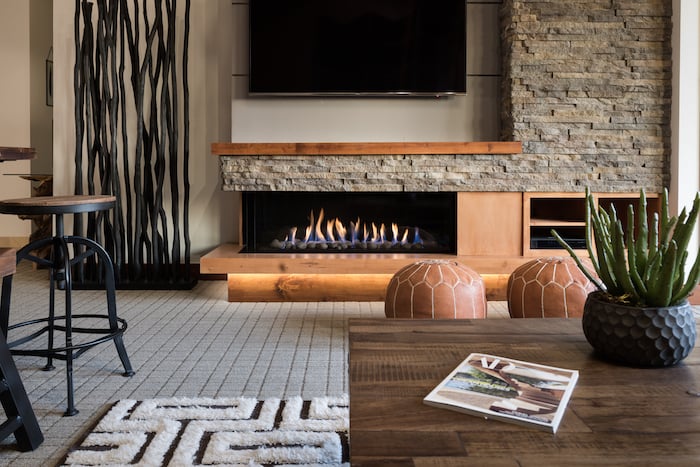
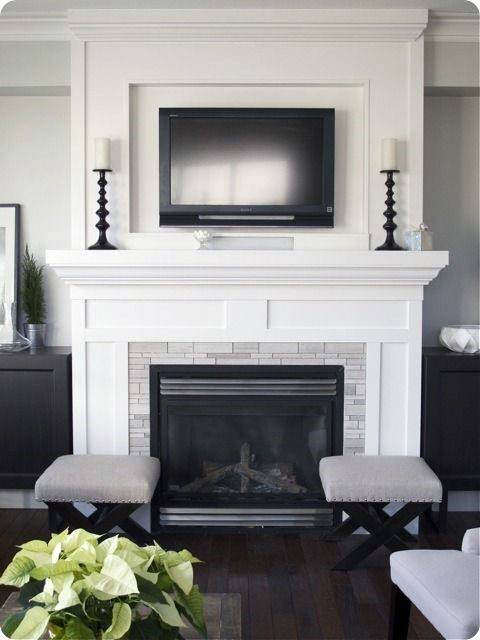
Television mounting above modern mantels required careful planning that I didn’t fully appreciate initially. The combination of heat from the fireplace and the electronics’ heat sensitivity created challenges I had to address through proper ventilation and heat shielding. I installed a recessed niche above my living room mantel that houses the TV while protecting it from heat damage. This integration creates a clean, unified appearance while solving the common problem of where to place the television in rooms with fireplaces.
Cable management became a crucial design consideration for entertainment-integrated mantels. I planned conduit runs during the rough construction phase to hide all wiring within the walls. Surface-mounted cable covers would have ruined the clean lines I was trying to achieve. The extra planning and coordination with electricians during construction pays dividends in the final appearance. Modern mantels with integrated entertainment systems require more upfront planning but create incredibly functional and attractive focal points.
Storage integration within mantel designs addresses the practical needs of modern living while maintaining clean aesthetics. I incorporated hidden compartments within my den mantel structure for storing remotes, charging cables, and seasonal decorations. The storage areas are accessible but invisible when not in use, maintaining the minimalist appearance. This functional integration makes modern mantels more than just decorative elements; they become practical furniture that enhances daily living while serving as beautiful focal points.

Material Innovation: Concrete, Glass, and Beyond
Concrete mantels opened up design possibilities I hadn’t considered until visiting a friend’s ultramodern home. The smooth, monolithic appearance of cast concrete creates a striking visual impact while allowing complete customization of size and shape. I experimented with concrete for my workshop fireplace, casting an 8-foot piece with integrated tool storage niches. The industrial aesthetic works perfectly in the workshop environment, and the concrete’s thermal mass helps regulate temperature. The casting process requires patience and skill, but the results are truly unique.
Glass elements in modern mantel design create transparency and lightness that traditional materials can’t achieve. I incorporated a tempered glass shelf within my steel mantel framework, creating display space that doesn’t visually compete with the surrounding architecture. The glass appears to float within the steel structure while providing practical functionality. Safety requirements for tempered glass near heat sources require professional consultation, but the aesthetic results justify the additional complexity and cost involved.
Mixed material combinations push the boundaries of traditional mantel design while creating unique focal points. My latest project combines concrete, steel, and reclaimed wood in a single mantel structure that serves as both functional storage and an artistic statement. The concrete base provides mass and stability, steel brackets add an industrial edge, and the wood shelf brings warmth and texture. Successful mixed-material designs require careful attention to proportions and transitions between different elements to avoid appearing chaotic or unplanned.
Installation Considerations: Safety and Structural Requirements
Professional consultation became essential when I realized the structural implications of modern mantel installations. Unlike traditional mantels that often rest on existing hearth structures, floating modern designs transfer all loads directly to the wall framing. I learned to work with structural engineers for any mantel over 6 feet long or when mounting heavy materials like steel or concrete. The upfront cost of professional consultation prevents dangerous failures and ensures code compliance for insurance and resale purposes.
Heat clearance requirements vary significantly between modern and traditional fireplace installations. Modern mantels often extend closer to the firebox opening, requiring careful attention to manufacturer specifications and local building codes. I installed heat shields behind several mantels to protect combustible materials and ensure safe operation. Understanding clearance requirements during the design phase prevents costly modifications later and ensures safe operation for years to come.
Mounting hardware selection determines both safety and appearance of modern mantel installations. I’ve learned to invest in high-quality hidden brackets and mounting systems specifically designed for floating installations. The hardware must support not only the mantle weight but also any items displayed on it, including heavy mirrors, artwork, or holiday decorations. Quality mounting hardware costs more initially but provides peace of mind and reliable performance that cheap alternatives cannot match.

Styling and Decoration: Making Modern Mantels Personal
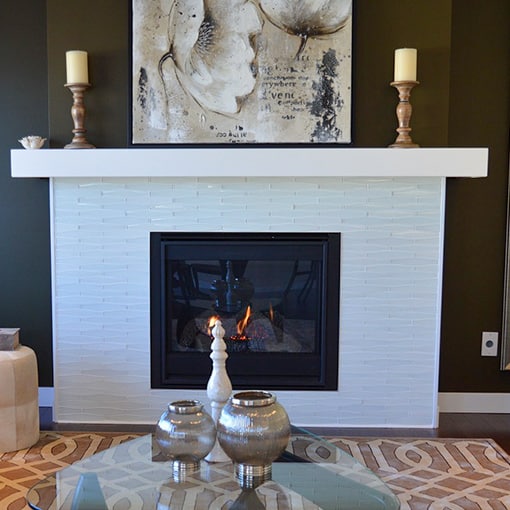
Less-is-more philosophy guides my approach to decorating modern mantels while maintaining visual interest. I typically limit displays to three or five items, using odd numbers for better visual balance. Each piece should have enough space to breathe and be appreciated individually. Overcrowding ruins the clean aesthetic that makes modern mantels appealing. I rotate seasonal displays to keep the look fresh while avoiding permanent clutter that detracts from the mantel’s architectural beauty.
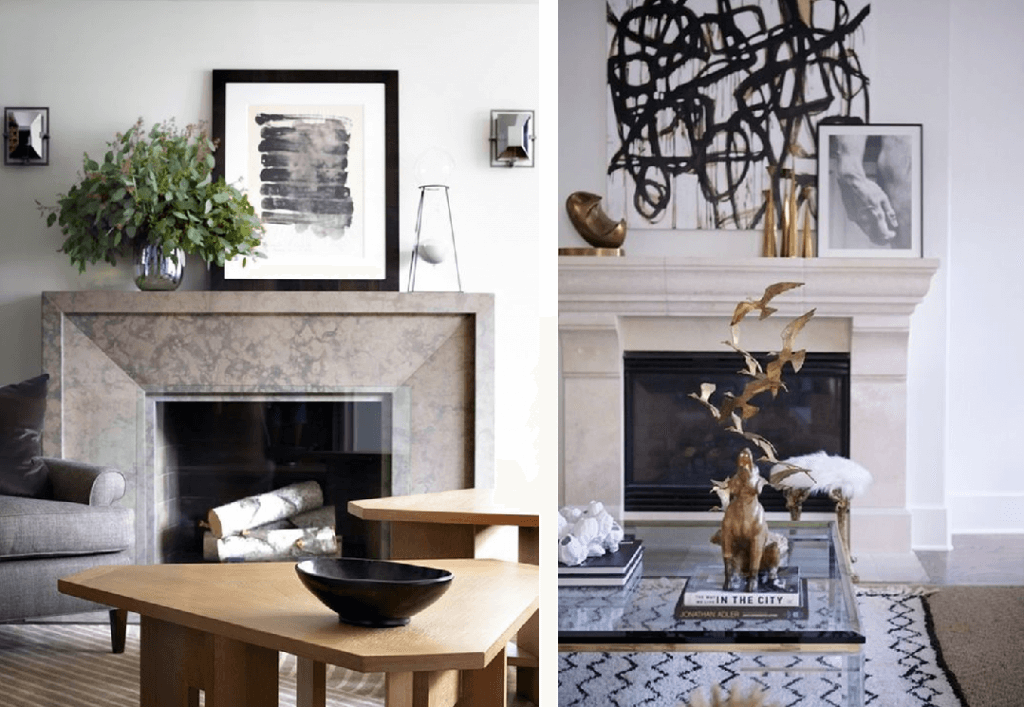
Scale and proportion considerations become critical when selecting decorative items for modern mantels. Oversized pieces work better than collections of small items that can appear cluttered. I use large format artwork, substantial vases, or single statement pieces rather than multiple small objects. The clean lines of modern mantels provide the perfect backdrop for bold, sculptural pieces that might overwhelm traditional mantel designs. Negative space is as important as the objects displayed.
Lighting integration enhances both the mantel and displayed items while creating ambiance throughout the room. I installed LED strip lighting behind several floating mantels to create a subtle glow effect that highlights the wall texture. Picture lights or small accent lamps on the mantel surface provide task lighting for reading while showcasing decorative objects. Good lighting transforms modern mantels from simple architectural elements into dynamic focal points that change character throughout the day and evening hours.
How much weight can a floating modern mantel safely support?
It depends entirely on the mounting system and wall construction. My steel mantels support up to 200 pounds when properly mounted to structural framing with through-bolts. Wood floating mantels typically handle 50-100 pounds safely. I always consult structural engineers for heavy installations and never exceed manufacturer specifications. Proper mounting is crucial for safety and prevents expensive damage from failures.
What clearances are required between modern mantels and fireplace openings?
Building codes typically require 6 inches minimum for combustible materials, but I follow manufacturer specifications, which often require more. My concrete and steel mantels can be closer to heat sources than wood mantels. Electric fireplaces have different requirements than gas or wood-burning units. I always check local codes and manufacturer requirements before finalizing mantel placement to ensure safety and compliance.
How do I choose the right size and proportion for a modern mantel?
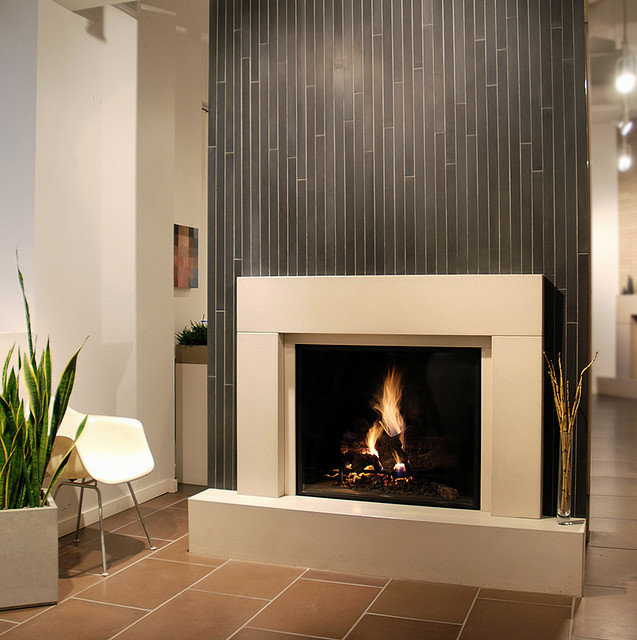
I start with the firebox opening and extend the mantel 6-8 inches beyond each side. Depth should be proportional to room size, typically 8-12 inches for most applications. Height placement depends on ceiling height and TV mounting, if applicable. I create cardboard templates and tape them to the wall to visualize proportions before committing to final dimensions and materials.
Can I install a modern mantel myself, or do I need professional help?
Simple wood mantels with standard mounting brackets are DIY-friendly if you’re comfortable with tools and wall construction. Heavy materials like steel or concrete require professional installation for safety. I handle wood installations myself, but hire professionals for complex mounting systems, electrical integration, or structural modifications. The investment in professional installation prevents costly mistakes and ensures safety.
How much should I budget for a custom modern mantel installation?
Simple wood floating shelves cost $200-800 for materials plus installation. Custom steel or concrete mantels range from $1,500-5,000, depending on size and complexity. Built-in entertainment integration adds $1,000-3,000 for electrical and structural work. I always get multiple quotes and budget 20% extra for unexpected issues. Quality materials and professional installation are worth the investment for safety and longevity.
What maintenance do modern mantels require compared to traditional designs?
Modern mantels generally require less maintenance due to simpler designs and durable materials. I dust weekly and inspect mounting hardware annually. Wood mantels need occasional conditioning, while steel may need touch-up painting every few years. Concrete is virtually maintenance-free once sealed properly. The simplified designs eliminate the detailed cleaning required for ornate traditional mantels, making maintenance much easier long-term.

Fireplace Mantel Designs – Interior Surround Ideas
Fireplace Mantel Decorating Ideas » Full Service Chimney™
Modern Fireplace Mantel Decor Ideas
Modern Fireplaces and Mantel Decorating Ideas to Change
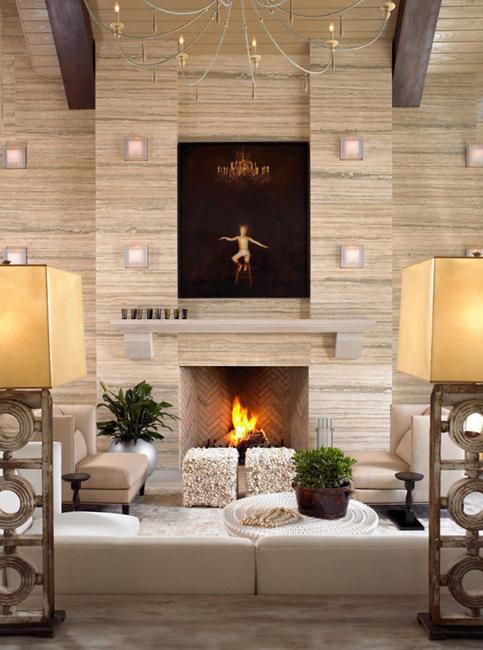
Fireplace Mantel Ideas – Modern Fireplace and Mantel Decor
Related Posts: