When I walked into my newly purchased cabin last spring, the fireplace was functional but utterly forgettable. It had a basic wooden mantel that looked like it came from a home improvement store clearance section, completely out of place in what was supposed to be a cozy mountain retreat. I knew immediately that I wanted to replace it with something that captured the rugged, natural beauty I was seeking. After months of research, planning, and some serious heavy lifting, I installed a gorgeous rustic stone mantel that transformed my entire living space. The process taught me more about stone work than I ever expected to learn, and the results exceeded every expectation I had.
Choosing the Right Stone: My Material Journey
Selecting the perfect stone for my mantel turned out to be far more complex than I initially imagined. I started by visiting local stone yards, assuming I’d know the right choice when I saw it. Instead, I was overwhelmed by options: limestone, sandstone, granite, slate, and various fieldstones, each with different colors, textures, and price points. I quickly learned that not all stones are suitable for fireplace applications due to heat resistance and structural requirements.
My first consideration was heat tolerance. The stone yard expert explained that some materials, particularly certain limestones and sandstones, can crack or discolor when exposed to high temperatures. Since my fireplace gets regular use during the winter months, I needed something that could handle heat cycling without deteriorating. I eventually narrowed my choices to granite and a local fieldstone that had proven heat-resistant properties from decades of use in area fireplaces.
The aesthetic decision came down to matching my cabin’s existing character. Granite was beautiful and incredibly durable, but it felt too polished and formal for my rustic setting. The local fieldstone had irregular surfaces, natural color variations, and a weathered appearance that perfectly complemented my log walls and wide-plank floors. The fieldstone also had a compelling backstory, quarried from the same mountain where my cabin sits, which made it feel like a natural extension of the landscape rather than an imported addition.
Installation Challenges That Tested My Patience
Installing a stone mantel is serious business, both in terms of weight and structural requirements. My chosen fieldstone slab weighed nearly 200 pounds and required substantial support modifications to my existing fireplace structure. I had assumed I could simply remove the old wooden mantel and bolt the stone directly to the existing brackets. That assumption lasted about five minutes into the demolition process when I realized the existing support system was nowhere near adequate for stone.
The structural modifications required opening up the wall above the fireplace to install proper blocking and support brackets rated for the stone’s weight. This turned into a much bigger project than I’d planned, involving cutting into drywall, adding 2×8 blocking between studs, and installing heavy-duty steel brackets specifically designed for stone mantels. I also had to ensure the brackets were positioned to hit solid structural members, not just drywall anchors that might fail under the load.
The actual positioning and mounting of the stone tested every ounce of patience I possessed. Stone mantels don’t have the flexibility of wood for minor adjustments, so everything had to be precisely measured and positioned before final installation. I enlisted three friends to help with the lifting and positioning, and we spent an entire Saturday making tiny adjustments to get the slab perfectly level and properly aligned with the fireplace opening. The margin for error was essentially zero, making every adjustment a careful, deliberate process.
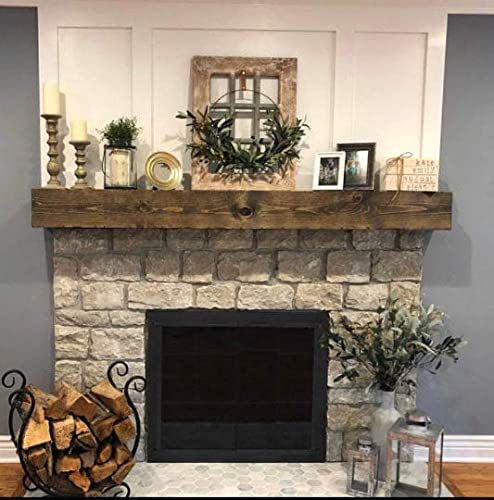
Design Integration: Balancing Rustic and Refined
Creating the right balance between rustic character and refined functionality required careful thought about proportions, finishes, and supporting design elements. My fieldstone mantel had natural rough edges and an irregular surface that gave it authentic rustic appeal, but I needed to ensure it didn’t overwhelm the room or look unfinished. The key was finding the right proportions relative to my fireplace opening and room dimensions.
I decided to keep the stone in its natural state rather than having it cut and polished to uniform dimensions. This meant working with the stone’s existing shape and incorporating its natural irregularities into the design. The slab was about 6 feet long and varied in depth from 8 to 10 inches, creating a pleasantly organic appearance that looked like it had been carved from the mountain itself. The natural variations in thickness actually enhanced the rustic aesthetic I was pursuing.
The supporting design elements required thoughtful coordination to avoid a disjointed appearance. I replaced my modern fire tools with hand-forged iron pieces that complemented the stone’s primitive character. The wall color needed adjustment too; the neutral beige that worked with the wooden mantel looked bland against the stone’s rich grays and browns. I repainted with a warm sage green that highlighted the stone’s natural colors while maintaining the cozy cabin atmosphere I wanted throughout the space.

Cost Considerations and Budget Surprises
The financial reality of my stone mantel project included several unexpected expenses that pushed my budget well beyond initial estimates. The stone itself cost $400, which seemed reasonable for such a substantial piece. However, the supporting infrastructure, professional consultation, and various supplies quickly multiplied the total investment. By the time I factored in structural modifications, specialized hardware, and professional advice, my total project cost reached $1,200.
The structural modifications represented the largest unexpected expense. I hadn’t budgeted for opening walls, adding blocking, or purchasing heavy-duty mounting hardware specifically designed for stone applications. These brackets alone cost $150, but they were essential for safely supporting the mantel’s weight over time. I also needed specialized drill bits for masonry work and had to rent a hammer drill capable of creating clean holes in stone without cracking it.
Professional consultation fees added another layer to the costs but proved invaluable for avoiding potentially dangerous mistakes. I paid a structural engineer $200 to review my support plans and ensure they met local building codes. This consultation caught a potential issue with my initial bracket placement that could have led to failure over time. While the fee stung initially, the peace of mind and professional validation of my installation approach was worth every penny for such a critical structural element.

Maintenance and Long-Term Care
Maintaining a rustic stone mantel has turned out to be surprisingly straightforward, though it requires different care than traditional wooden mantels. The stone’s natural durability means it handles heat exposure, minor impacts, and daily use without showing wear. However, I learned that proper sealing and occasional cleaning are essential for preserving its appearance and preventing staining from soot or smoke residue that can accumulate over time.
I sealed the stone six months after installation once it had fully acclimated to the indoor environment. The sealer penetrates the stone’s porous surface and provides protection against stains while maintaining the natural appearance and texture. The application process was straightforward, involving thorough cleaning followed by brush application of the sealer. I need to reapply the sealer every three to five years, depending on use patterns and exposure to smoke and heat.
Routine cleaning involves periodic dusting and occasional deeper cleaning with stone-specific cleaners when soot accumulation becomes noticeable. I avoid harsh chemicals or acidic cleaners that could damage the stone’s surface or strip the protective sealer. A soft brush and mild stone cleaner handle most cleaning needs, while stubborn soot stains require gentle scrubbing with specialized products designed for natural stone. The maintenance routine takes maybe 30 minutes twice a year, making it far less demanding than I initially expected.

Seasonal Performance and Durability
After experiencing my stone mantel through two full heating seasons, I can confidently assess its performance under real-world conditions. The fieldstone has handled temperature extremes beautifully, from summer heat to winter fire cycles, without developing cracks, discoloration, or other heat-related damage. The natural stone’s thermal mass actually helps moderate temperature swings, absorbing heat during fires and slowly releasing it after the fire dies down.
The mantel’s appearance has improved with age and use. What started as relatively clean stone has developed a subtle patina from smoke exposure that enhances its rustic character without looking dirty or neglected. The natural variations in the stone’s surface have become more pronounced as different areas have aged slightly differently, creating depth and visual interest that wasn’t apparent when first installed. This natural aging process has exceeded my expectations for how the mantel would mature over time.
Durability has been exceptional, with no structural issues or maintenance concerns beyond routine cleaning. The heavy-duty mounting system has shown no signs of stress or movement despite supporting the stone’s substantial weight through multiple heating cycles and seasonal humidity changes. I occasionally check the mounting hardware for tightness, but the installation has remained rock-solid since completion. The stone itself shows no wear patterns despite regular use of the mantel surface for displaying seasonal decorations and everyday items.

How much weight can a typical fireplace wall support for a stone mantel installation?
This depends entirely on your wall construction and existing support structure. My 200-pound stone mantel required significant structural reinforcement with 2×8 blocking and heavy-duty brackets. I strongly recommend consulting a structural engineer before installation. Standard drywall anchors definitely won’t suffice for stone applications.
What’s the difference in cost between stone and wood mantels when you factor in installation?
My stone project cost about $1,200 total versus roughly $300 for a comparable wooden mantel. However, the stone should last indefinitely with minimal maintenance, while wood requires periodic refinishing. The structural modifications were the biggest cost factor, which might not be necessary for all installations depending on existing support.

Can I install a stone mantel myself, or do I need professional help?
I did most of the work myself but consulted professionals for structural engineering advice and borrowed extra hands for the heavy lifting. If you’re comfortable with basic construction and have help for positioning, it’s definitely doable. However, don’t skip the structural engineering consultation, it’s worth the cost for safety assurance.
How do I choose stone that will complement my existing décor without overwhelming the space?
I recommend getting samples to live with for a week before deciding. The stone’s color and texture will look different under various lighting conditions. Consider your wall colors, flooring, and furniture finishes. Natural, locally-sourced stone tends to integrate better than imported materials with highly uniform appearances.

What ongoing maintenance does a stone mantel require compared to wood?
Much less maintenance than wood. I seal mine every 3-5 years and clean it twice annually with stone-specific cleaners. No refinishing, no worry about heat damage or scratches. The stone actually looks better with age as it develops a natural patina. Initial sealing is important though, as untreated stone can stain permanently.
Are there any safety considerations specific to stone mantels that I should know about?
The weight is the primary safety concern. Proper structural support is absolutely critical, inadequate mounting could result in serious injury if the stone falls. Heat retention is another factor, stone stays warm longer than wood after fires. Also ensure adequate clearances for code compliance, as stone might affect heat distribution patterns differently than wood.

Rustic Mantel 6h X 8d Fireplace Mantel Mantle
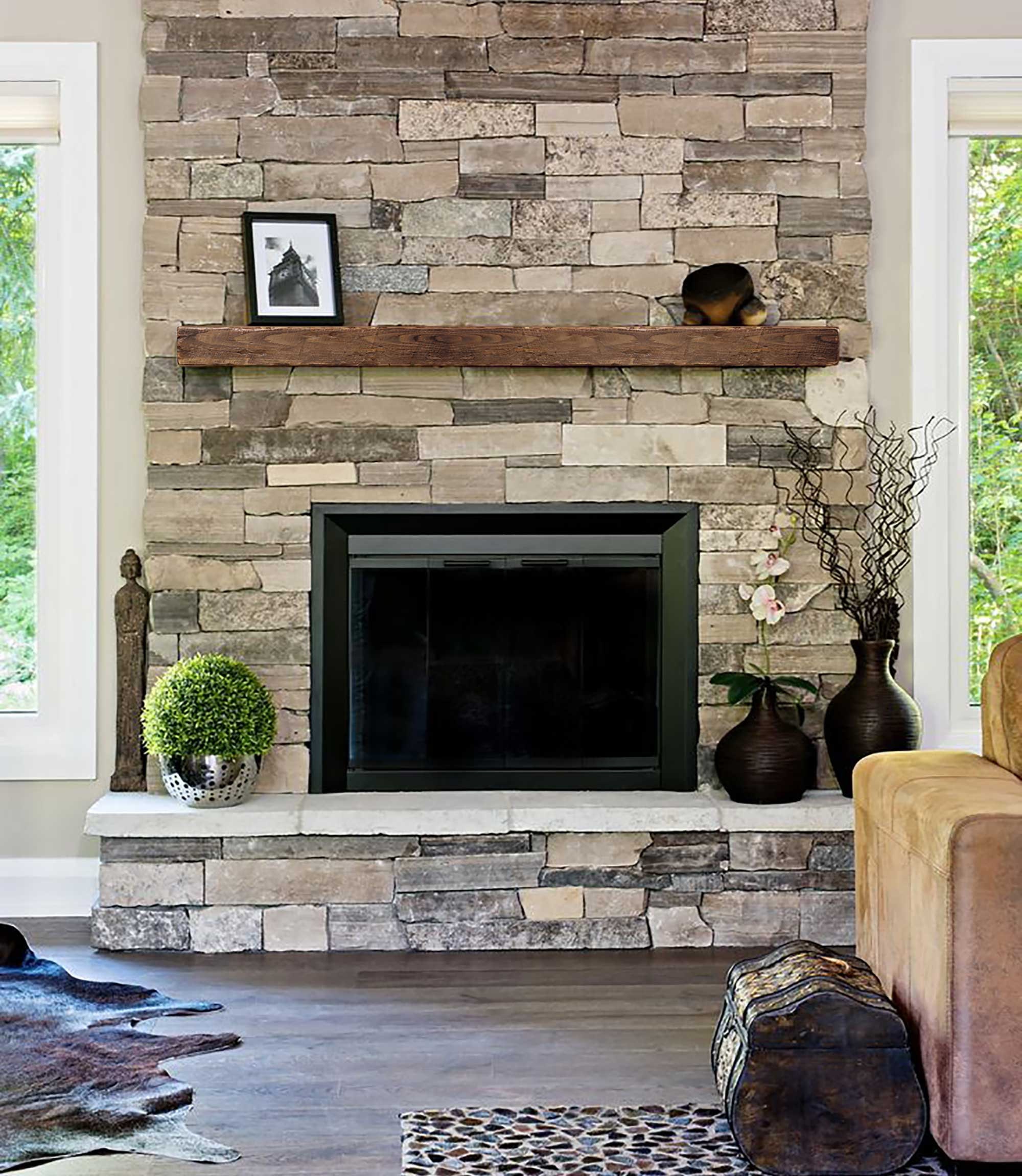
Country Style Mantels and Fireplaces
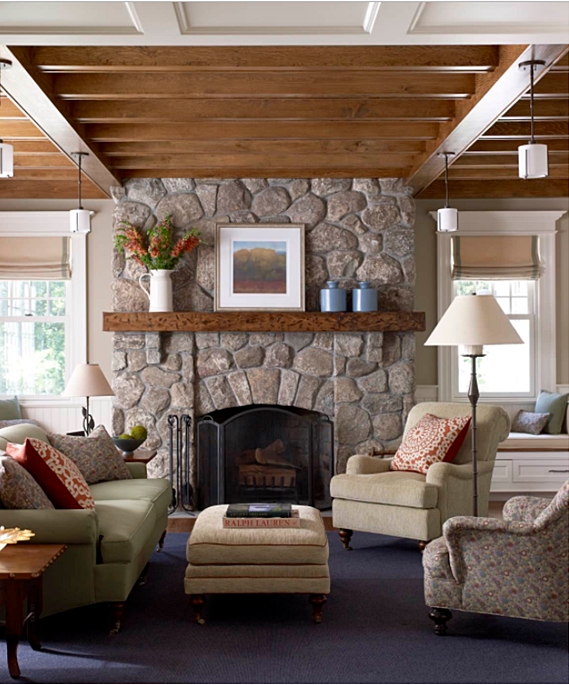
Fieldstone Pine and Stone-look Electric Fireplace Mantel
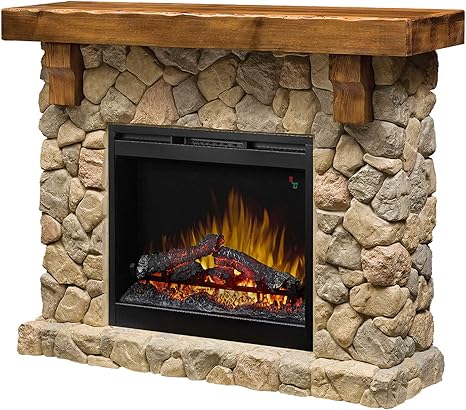
Rustic Fireplace Mantels Fireplace mantel Littlebranch Farm

Rustic Stone Fireplace Mantel – Rustic – Living Room – Other – by
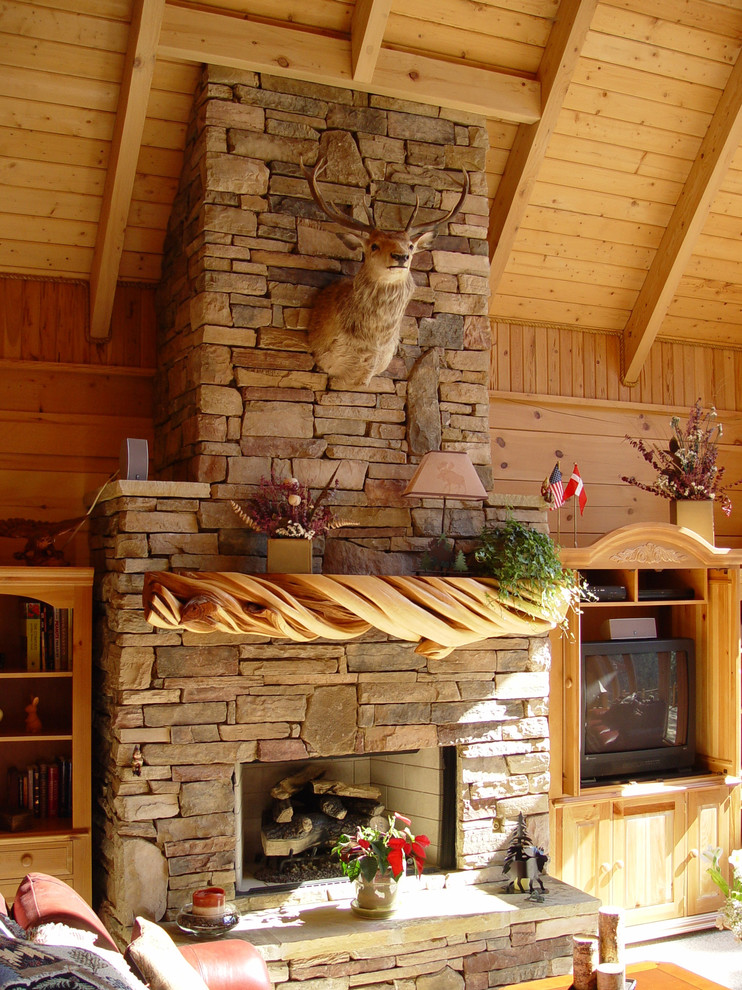
Pearl Mantels Shenandoah Rustic Wood Fireplace Mantel Shelf Farmhouse Grey

Cozy and Rustic Fireplace Mantel
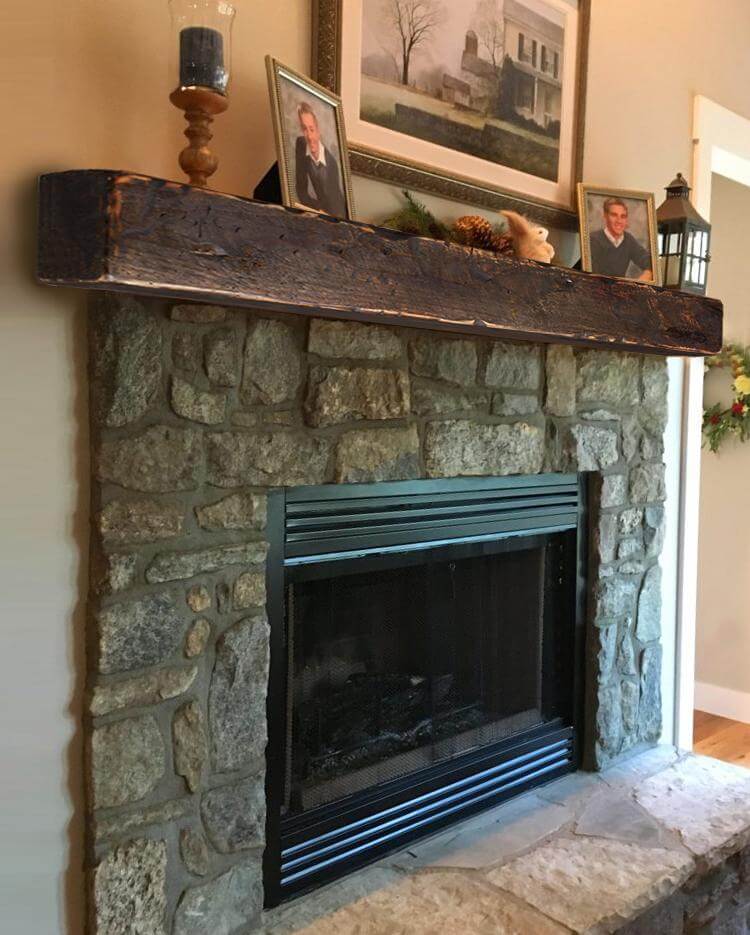
Rustic Stone Fireplaces Mantel Cubre chimeneas rústicos

Related Posts: