Three years ago, I stood in my living room staring at a blank wall that desperately needed something special, something that would anchor the space and create the cozy atmosphere I’d been dreaming about. After months of research and countless design magazines scattered across my coffee table, I decided on a stone wall electric fireplace combination that would transform not just that wall, but my entire living experience. The project seemed daunting at first, combining electrical work, stonework, and interior design, but the result has exceeded every expectation I had. Now, as I write this with the fireplace casting its warm glow across my stone accent wall, I can honestly say it’s become the heart of my home and the feature that guests comment on most.
Planning Your Stone Wall Design
The planning phase consumed weeks of my life, but I’m grateful for every hour I spent sketching, measuring, and reconsidering my approach. I started by studying the proportions of my room and determining how much of the wall should be covered in stone versus painted drywall. After trying several different layouts on paper, I settled on a floor-to-ceiling stone treatment that extends about eight feet wide, creating a dramatic backdrop for the fireplace while leaving space for built-in shelving on either side. The key was ensuring the stone wall wouldn’t overwhelm the room’s existing architectural features, so I carefully considered how it would interact with the crown molding, baseboards, and nearby doorways.
Selecting the right stone proved more challenging than I anticipated, as I quickly learned that not all stones work well with electric fireplaces or indoor applications. I spent weekends visiting stone yards, collecting samples, and testing how different materials looked under various lighting conditions in my actual space. Natural fieldstone appealed to me initially, but the irregular shapes made planning the fireplace cutout complicated, so I ultimately chose a manufactured stone veneer that mimics limestone but offers consistent dimensions and easier installation. The neutral gray tones with subtle brown undertones complement my existing color scheme while providing enough texture and visual interest to make the wall a true focal point.
Creating detailed drawings and measurements became essential as the project progressed, especially when coordinating the electrical requirements with the stone layout. I mapped out every aspect, from the location of the electrical outlet behind the fireplace to the precise placement of each stone course around the unit. This planning phase also involved consulting with an electrician to ensure proper wiring and checking with my homeowner’s association about any restrictions on modifications. I learned that taking time during planning saves countless headaches during installation, and having everything documented made it easier to communicate with the professionals I hired for specific aspects of the project.
Choosing the Right Electric Fireplace
Shopping for an electric fireplace opened my eyes to options I never knew existed, from traditional mantel-style units to sleek wall-mounted models that seem to float within the stone surround. I spent months researching different brands, reading reviews, and visiting showrooms to see units in person before making my decision. The size of my stone wall dictated certain parameters, but within those constraints, I had to choose between realistic flame effects, heat output levels, and control options. After seeing several units in friends’ homes, I realized that the quality of the flame simulation varies dramatically between manufacturers, and investing in a higher-end unit makes a noticeable difference in the overall effect.
Heat output became a crucial consideration since I wanted the fireplace to warm my living space, not just provide ambiance. I calculated the square footage of the areas I wanted to heat and matched that to units with appropriate BTU ratings, learning that bigger isn’t always better when it comes to electric fireplace heating capacity. The unit I chose produces 5,000 BTUs, which efficiently heats my 400-square-foot living room without overwhelming the space or dramatically increasing my electric bill. I also prioritized units with separate controls for heat and flames, allowing me to enjoy the visual appeal year-round while only using the heating function when needed during colder months.
Installation requirements influenced my final selection significantly, as some units require professional installation while others can be handled by confident DIYers. I chose a model that inserts into a standard electrical outlet but required a dedicated 20-amp circuit for optimal performance, which meant hiring an electrician regardless. The unit features a realistic log set with glowing embers, adjustable flame speed and intensity, and a remote control that operates both the flames and heat settings. After living with it for three years, I’m convinced that choosing a quality unit with realistic flames and reliable controls was worth the extra investment, as these are the features I interact with daily.
Installation Process and Challenges
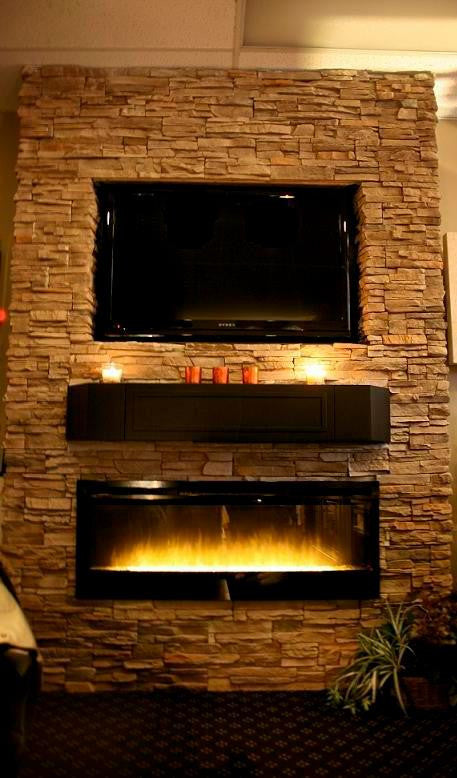
The installation began with preparing the wall surface, which involved removing existing drywall in the fireplace area and ensuring the framing could support both the stone veneer and the fireplace unit itself. I hired a contractor for the structural work since proper support is crucial for safety and longevity, but I tackled much of the stone installation myself to save money and ensure it met my exact vision. The process required more physical stamina than I anticipated, as each stone piece needed to be individually cut, fitted, and mortared in place while maintaining consistent spacing and alignment throughout the entire wall surface.
Working with stone veneer taught me patience and precision in ways I never expected, as each piece required careful consideration of how it would fit with its neighbors while maintaining the overall pattern and visual flow. I invested in quality tools, including a wet saw for cutting stones, a mixing paddle for mortar, and various trowels and brushes for different aspects of the installation. The learning curve was steep initially, but by the second day, I had developed a rhythm and technique that made the work more enjoyable and efficient. The most challenging aspect was cutting stones to fit around the fireplace opening, which required multiple measurements and test fits to achieve clean, professional-looking edges.
The electrical installation proved straightforward thanks to proper planning, but coordinating the fireplace mounting with the stone work required careful timing and communication with my electrician. We installed the electrical rough-in before beginning the stone work, then completed the final fireplace mounting and connections after the stone installation was complete. This approach ensured that all wiring was properly concealed while maintaining easy access for any future maintenance or repairs. The final step involved applying grout between the stones and cleaning the entire surface, which brought the whole project together and revealed the full impact of the transformation.
Heat Distribution and Energy Efficiency
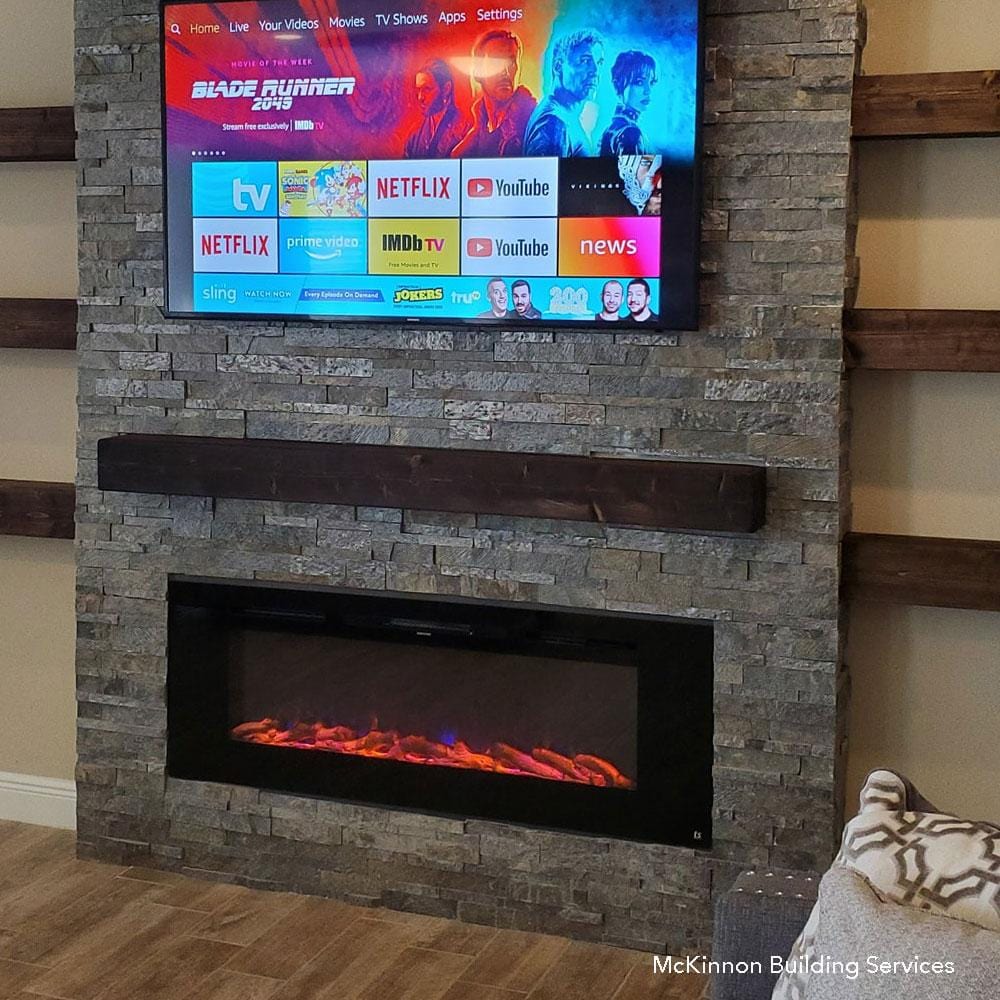
Living with my stone wall electric fireplace for three years has taught me valuable lessons about heat distribution and energy efficiency that I wish I’d known before installation. The stone wall acts as a thermal mass, absorbing heat from the fireplace and radiating it back into the room even after the unit shuts off, which extends the warming effect and reduces the need for frequent cycling. This thermal storage effect surprised me initially, as the stones remain warm to the touch for hours after I turn off the heating function, continuing to provide gentle radiant heat that feels more natural and comfortable than forced air heating systems.
Energy consumption has been remarkably reasonable, adding approximately thirty to forty dollars to my monthly electric bill during the winter months when I use the heating function regularly. I’ve learned to use the fireplace strategically, running it in the early evening to take the chill off the living room and then relying on the stored heat in the stone wall to maintain comfort throughout the evening. The zone heating capability allows me to keep my main thermostat lower while staying comfortable in the most-used areas of my home, resulting in overall energy savings that partially offset the fireplace’s electrical consumption.
The efficiency of modern electric fireplaces impressed me compared to what I expected from previous generations of electric heating devices. My unit converts nearly one hundred percent of the electricity into heat, with no energy lost through venting or combustion inefficiencies like traditional fireplaces. The ability to use the visual flames without the heating element means I can enjoy the ambiance year-round without any energy penalty, something I take advantage of during transitional seasons when the temperature doesn’t warrant additional heating but the cozy atmosphere enhances the room’s comfort and appeal.

Maintenance and Long-term Care
Maintaining my stone wall electric fireplace has proven surprisingly straightforward, requiring far less attention than I expected based on my previous experience with wood-burning fireplaces. The stone surface needs occasional dusting with a soft brush or cloth, and I’ve found that a slightly damp microfiber cloth removes most dust and fingerprints without damaging the stone or grout. Annual deep cleaning involves using a stone-safe cleaner and a soft brush to remove any accumulated grime, particularly in areas near the fireplace where heat circulation might cause more dust accumulation than other parts of the wall.
The electric fireplace itself requires minimal maintenance beyond keeping the air intake and exhaust areas clear of dust and debris. I vacuum these areas monthly using a brush attachment, and every six months, I remove the front glass panel for thorough cleaning with appropriate glass cleaner. The realistic log set and ember bed occasionally need dusting, which I accomplish by carefully removing them according to the manufacturer’s instructions and using compressed air to blow away accumulated particles. This maintenance routine takes less than an hour every few months and keeps the unit operating efficiently and looking its best.
Long-term care considerations include monitoring the grout lines for any signs of cracking or deterioration, though after three years, I’ve seen no issues with properly installed stone veneer in an indoor application. I keep spare stones from the original installation in case any individual pieces ever need replacement, and I’ve maintained all documentation and warranties for the fireplace unit itself. The manufacturer recommends professional inspection every few years, but so far the unit has operated flawlessly with just basic homeowner maintenance, and I expect many more years of reliable service with continued proper care.

Design Integration and Room Impact
Integrating the stone wall electric fireplace into my existing décor required thoughtful consideration of colors, textures, and proportions to ensure it enhanced rather than overwhelmed my living space. The neutral stone tones I selected work beautifully with both warm and cool color schemes, allowing me to change seasonal accessories and furniture arrangements without the fireplace becoming incompatible with new design directions. I’ve discovered that the stone wall serves as an excellent backdrop for artwork, mirrors, and decorative objects, providing a sophisticated neutral foundation that makes other design elements stand out more dramatically than they would against a plain painted wall.
The room’s traffic flow and furniture arrangement improved significantly once the fireplace wall was complete, as it created a natural focal point that helped define conversation areas and establish visual hierarchy within the space. I rearranged my seating to take advantage of both the visual appeal and heat output from the fireplace, creating a more intimate and comfortable environment for family gatherings and entertaining guests. The stone texture adds acoustic benefits as well, softening sound reflections and creating a warmer, more comfortable auditory environment that enhances the overall ambiance of the room.
Lighting considerations became important as the project neared completion, since the stone wall’s texture and the fireplace’s glow interact with both natural and artificial light sources throughout the day. I added subtle accent lighting above and below the stone wall to highlight its texture during evening hours when the fireplace isn’t operating, ensuring the feature remains visually striking at all times. The interplay between the fireplace flames, accent lighting, and stone texture creates a dynamic visual experience that changes throughout the day, keeping the space interesting and engaging regardless of the time or season.

Cost Analysis and Value Considerations
The total investment in my stone wall electric fireplace project came to approximately four thousand five hundred dollars, including materials, tools, and professional electrical work, which initially seemed substantial but has proven worthwhile in terms of daily enjoyment and home value. Breaking down the costs, the stone veneer and installation materials accounted for about forty percent of the budget, the electric fireplace unit represented thirty percent, electrical work consumed twenty percent, and tools and miscellaneous supplies made up the remaining ten percent. I could have reduced costs by choosing different materials or doing more of the work myself, but the quality and professional appearance of the finished project justified the investment.
Comparing this expense to other home improvement projects of similar visual impact, the stone wall electric fireplace delivers exceptional value in terms of both immediate satisfaction and long-term benefits. The heating capability provides practical value during cold months, while the year-round ambiance enhances daily living in ways that purely cosmetic improvements cannot match. I’ve calculated that the energy savings from zone heating partially offset the installation costs over time, though the primary value lies in the improved comfort and aesthetic appeal of my living space.
Property value considerations played a role in my decision to proceed with this project, as fireplaces consistently rank among the most desirable features for home buyers according to real estate professionals I’ve consulted. While I have no immediate plans to sell my home, I’m confident that this improvement will appeal to future buyers and provide a positive return on investment when that time comes. More importantly, the daily enjoyment and improved quality of life I’ve experienced make this one of the most successful home improvement projects I’ve ever undertaken, delivering value that extends far beyond simple financial calculations.
How much does it cost to install a stone wall electric fireplace?
Total costs typically range from three thousand to seven thousand dollars, depending on stone choice, fireplace quality, and professional installation needs. DIY installation can reduce costs significantly, but electrical work often requires professional help. My project cost about four thousand five hundred dollars with mixed DIY and professional work.
Can I install a stone wall electric fireplace in any room?
Most rooms can accommodate this combination with proper planning and electrical access. Key considerations include adequate wall space, appropriate electrical circuits, and sufficient clearances for heat circulation. Consult an electrician about power requirements, as some units need dedicated circuits for optimal performance.
How much heat does an electric fireplace produce?
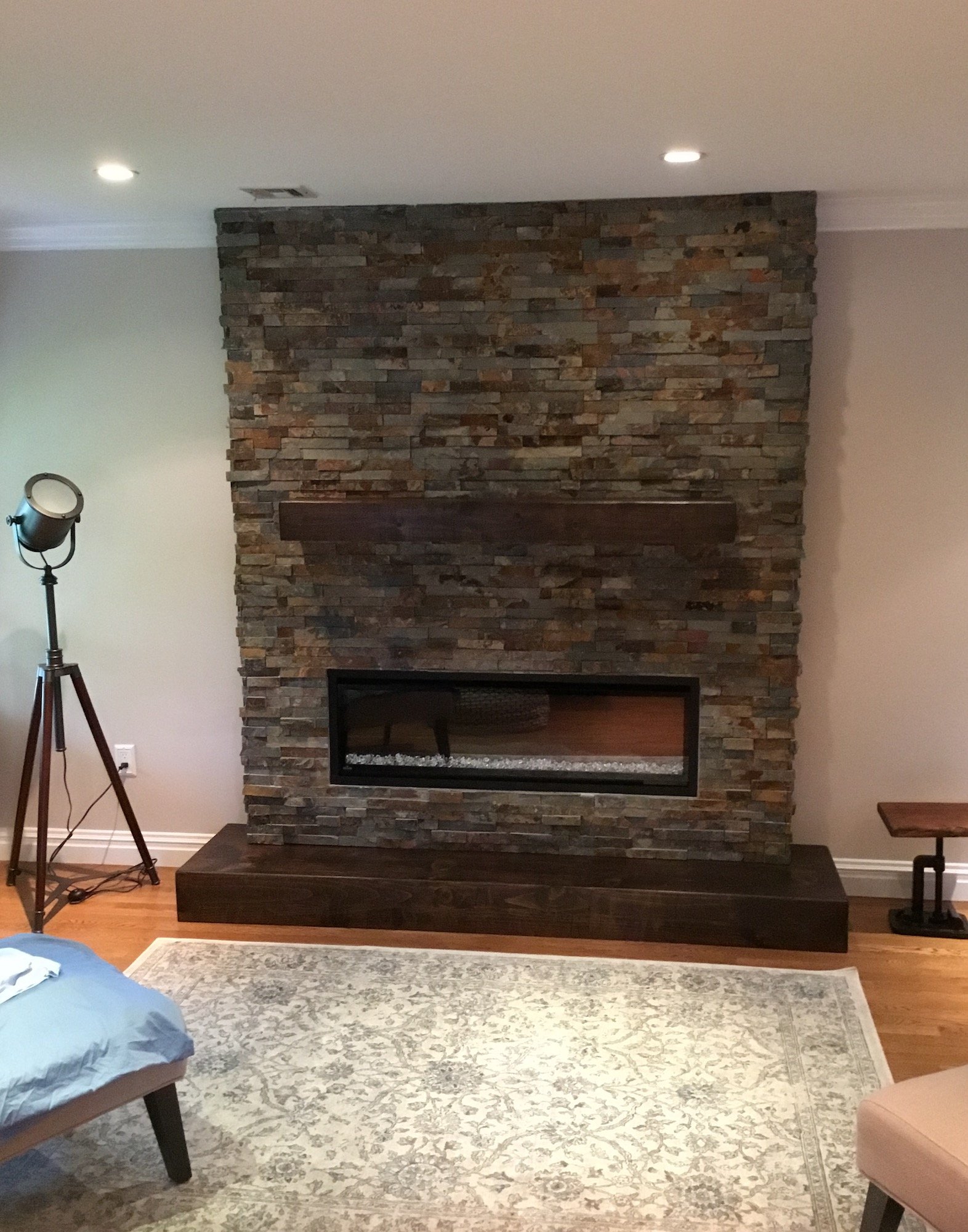
Modern electric fireplaces typically produce 4,000 to 8,000 BTUs, effectively heating 400 to 800 square feet, depending on insulation and layout. My 5,000 BTU unit comfortably heats my 400-square-foot living room while providing zone heating that reduces overall energy costs during the winter months.
What type of stone works best for indoor fireplace walls?
Manufactured stone veneer offers the best combination of appearance, weight, and installation ease for most homeowners. Natural stone works but adds complexity and cost. Choose stones with consistent thickness and good indoor durability ratings. Avoid very porous stones that might absorb moisture or odors over time.

How difficult is it to maintain a stone wall electric fireplace?
Maintenance is remarkably simple compared to traditional fireplaces. Stone walls need occasional dusting and annual deep cleaning with stone-safe products. Electric fireplaces require monthly air intake cleaning and periodic glass panel washing. No chimney cleaning, ash removal, or complex maintenance required.
Do stone wall electric fireplaces increase home value?
Fireplaces consistently rank among the top desired features for homebuyers, and stone accent walls add perceived luxury and craftsmanship. While exact value increases vary by market, real estate professionals generally agree that well-executed fireplace installations provide positive returns and improve marketability significantly.

50 Inches Electric Fireplace Wall Mounted Heater Freestanding Fireplace Crystal Stone Flame Effect 9 Changeable Flame Color Fireplace
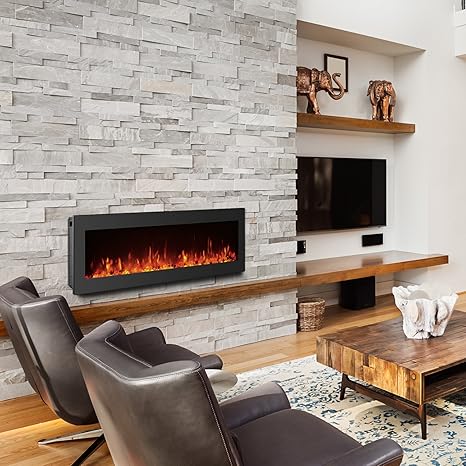
Faux Stone Electric Fireplace
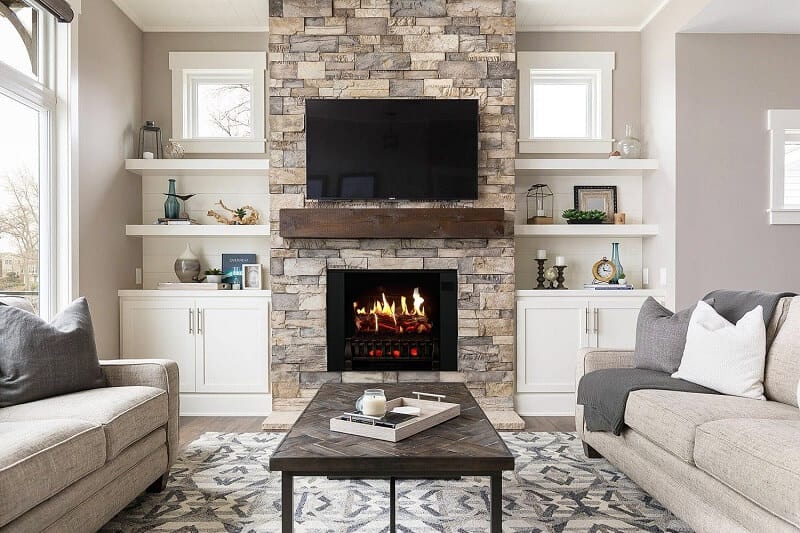
Faux stone fireplaces ideas fireplace design, home fireplace

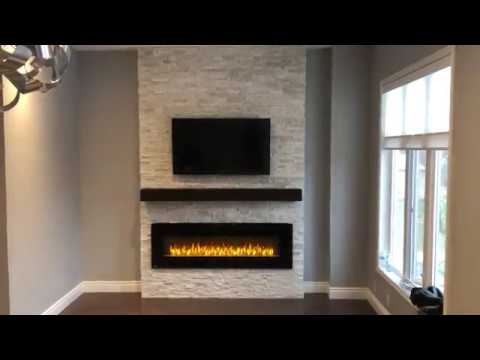
Electric Fireplace Build
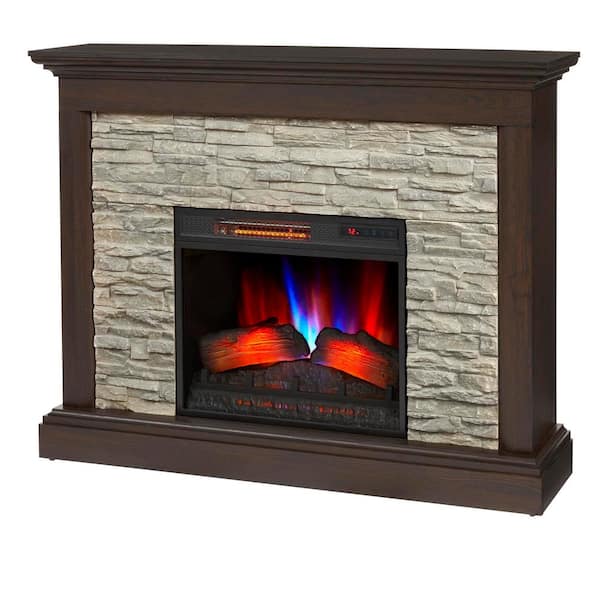
Home Decorators Collection Whittington 50 in. Freestanding
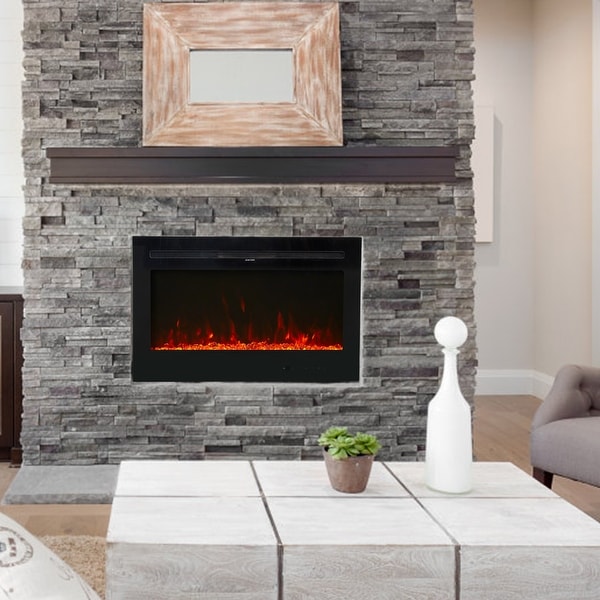
Kinbor 36″ Electric Fireplace in-Wall Recessed and Wall Mounted
Related Posts:
- Rustic Electric Fireplace
- Vintage Style Electric Fireplace
- Electric Fireplace Mantel DIY
- Stone Wall Electric Fireplace
- Small Free Standing Electric Fireplace
- Electric Fireplaces White Finish
- Limestone Electric Fireplace
- Electric Fireplace Surround DIY
- Electric Fireplace With TV
- The Most Realistic Electric Fireplace