When I bought my 1980s split-level home three years ago, the awkward corner in my living room felt like wasted space that I couldn’t figure out how to use effectively. The previous owners had shoved a dusty artificial plant there, and I’d tried everything from bookshelves to accent chairs, but nothing felt quite right. Then, during a particularly cold February evening while scrolling through home renovation photos, I stumbled across images of corner wood fireplaces that completely changed my perspective on what that space could become. What started as a simple desire for warmth and ambiance turned into a comprehensive renovation project that taught me about permits, installation challenges, wood selection, and the incredible impact that a well-placed fireplace can have on both the functionality and emotional warmth of a home.
Planning and Design Considerations
The initial planning phase for my corner wood fireplace consumed weeks of research and consultation with contractors who helped me understand the unique challenges of corner installations. Unlike traditional wall-mounted fireplaces, corner units require careful consideration of room traffic flow and furniture arrangement from multiple angles. I learned that the corner placement would make my fireplace visible from both my living room and adjacent dining area, effectively serving dual spaces while maximizing the impact of the installation.
Safety clearances became a critical factor that influenced my design decisions significantly. Corner fireplaces need adequate space from combustible materials on two walls rather than just one, which affected my furniture placement options and required removing some built-in shelving I had originally planned to keep. My contractor explained that corner installations often require larger hearth extensions that project into the room, reducing floor space but creating an attractive focal point that anchors the room’s design.
The chimney routing for corner fireplaces presented unique structural challenges that I hadn’t anticipated during my initial planning. The corner location meant the chimney would need to travel through different framing members and potentially interfere with upstairs rooms or rooflines. After extensive consultation with a structural engineer, we developed a plan that routed the chimney through a closet in the room above, requiring some interior modifications but avoiding major exterior changes that would have been more expensive and disruptive.
Installation Process and Challenges
The installation process began with extensive preparation work that took longer than I expected and required careful coordination with multiple trades. My contractor needed to create fireproof framing assemblies for both walls, install proper ventilation systems, and ensure adequate structural support for the fireplace unit and chimney system. The corner location complicated access for workers and materials, requiring careful planning to minimize damage to my existing flooring and walls during construction.
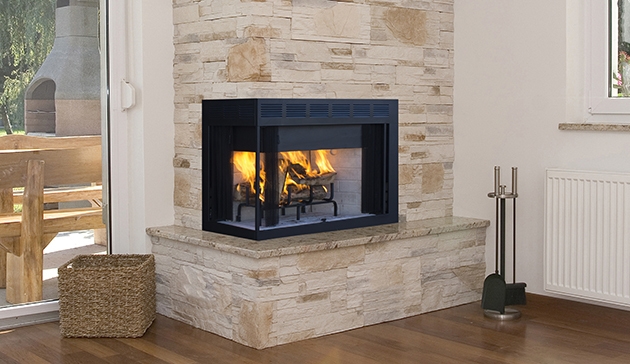
Choosing the right fireplace insert became crucial for both performance and aesthetic success. I selected a high-efficiency EPA-certified wood-burning insert that would provide maximum heat output while meeting environmental regulations. The corner installation required a unit specifically designed for this application, with glass doors that could be viewed from multiple angles and heat distribution that would warm both adjacent rooms effectively without creating uncomfortable hot spots.
The chimney installation proved to be the most complex aspect of the project, requiring precise measurements and careful routing through existing structures. My installer used advanced laser measurement tools to ensure the chimney would be perfectly vertical and properly positioned for optimal draft performance. The process involved cutting openings in floor and ceiling structures, installing fireproof sleeves and insulation, and coordinating with roofers to ensure proper flashing and weatherproofing at the roof penetration point.
Wood Selection and Storage Solutions
Learning about proper firewood selection became an essential part of my fireplace ownership experience, as the quality and type of wood significantly impact both performance and safety. I discovered that hardwoods like oak, maple, and hickory burn longer and produce more heat than softwoods, though they require longer seasoning periods to reach optimal moisture content. My research taught me that properly seasoned wood should have a moisture content below 20% to burn efficiently and minimize creosote buildup in the chimney.
Developing a reliable wood supply required establishing relationships with local suppliers and learning to evaluate wood quality before purchasing. I found that buying wood in spring allows for additional seasoning time during summer months, resulting in better burning characteristics when heating season arrives. Learning to stack and store wood properly became crucial for maintaining quality, requiring covered storage areas that allow air circulation while protecting from rain and snow.
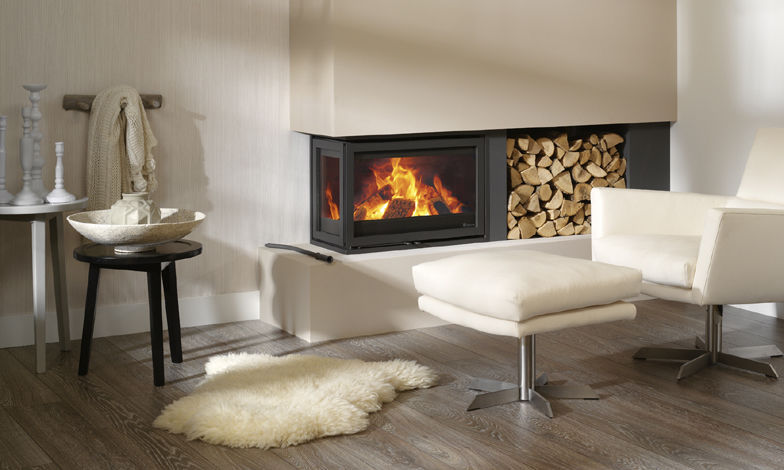
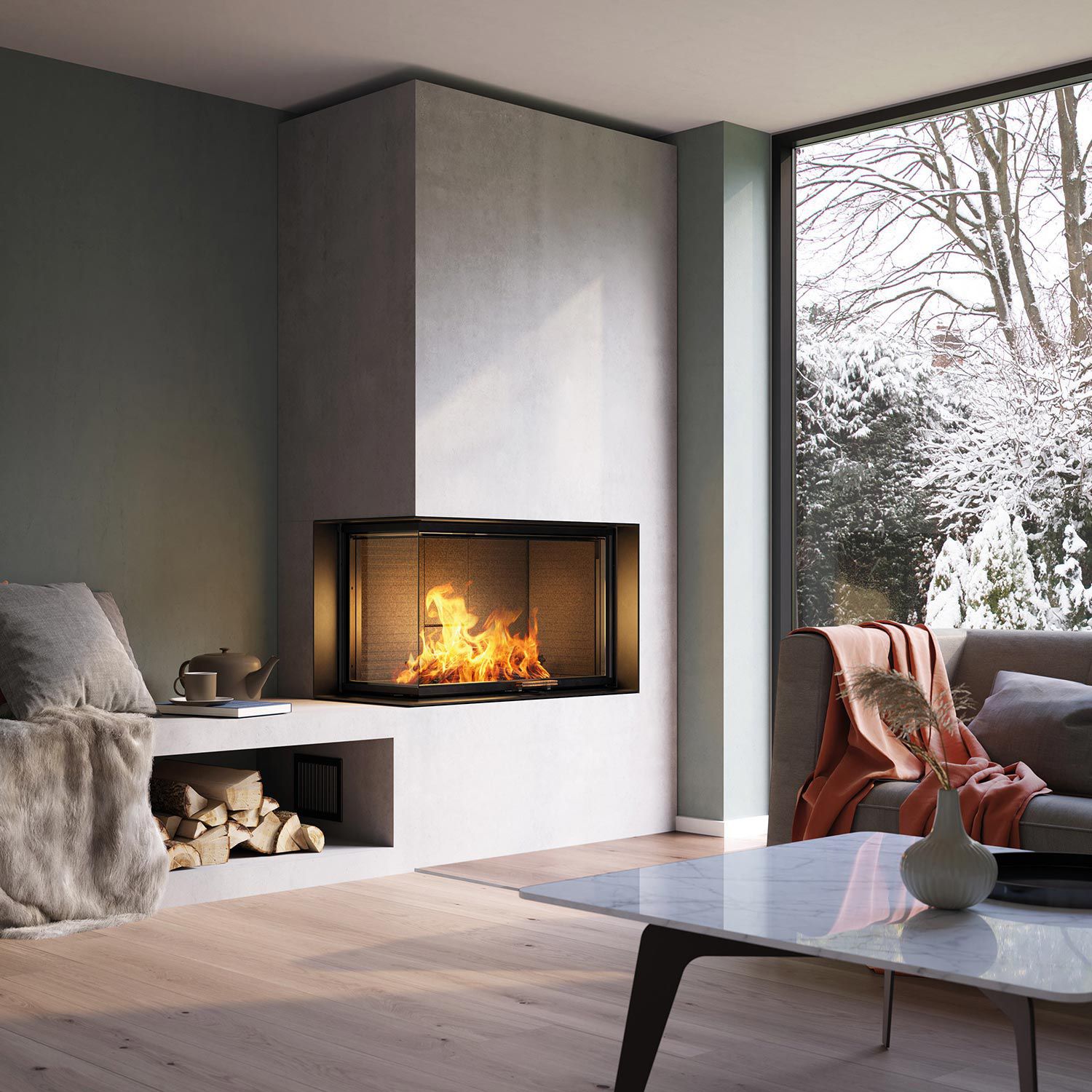
Storage solutions for my corner fireplace needed to balance convenience with aesthetics and safety requirements. I built custom storage compartments flanking the fireplace that hold enough wood for several days while maintaining proper clearances from the firebox. The storage design incorporates ventilation to continue the seasoning process while keeping wood easily accessible during cold weather, when frequent trips to outdoor storage would be inconvenient and uncomfortable.
Maintenance and Safety Requirements
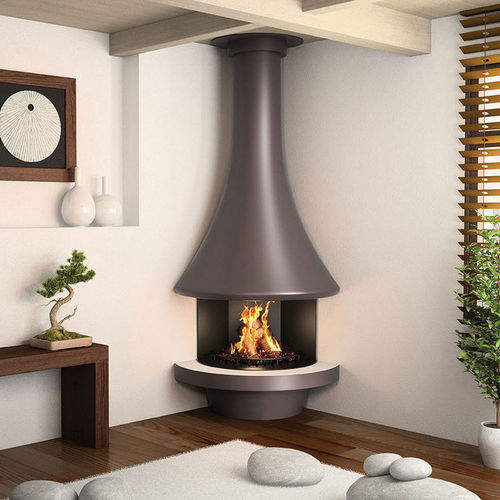
Establishing proper maintenance routines became essential for the safe and efficient operation of my corner wood fireplace. Regular ash removal after each use prevents buildup that could restrict airflow and create fire hazards. I learned to wait until ashes are completely cool, then store them in metal containers away from combustible materials. The corner location makes ash removal slightly more challenging than traditional fireplaces, requiring careful maneuvering to avoid tracking debris through the living space.
Chimney cleaning and inspection became annual necessities that I initially tried to handle myself, but quickly learned require professional expertise. The complex routing of my corner fireplace chimney makes thorough cleaning more difficult than straight vertical installations, and professional sweeps have the equipment and experience necessary for complete cleaning and safety evaluation. I schedule annual cleaning each fall before heating season begins, which maintains optimal performance and identifies potential problems early.
Fire safety equipment and procedures required special consideration due to the corner installation’s proximity to multiple room areas. I installed smoke and carbon monoxide detectors in adjacent rooms and developed evacuation plans that account for the fireplace’s central location in my home’s layout. Keeping appropriate fire suppression equipment nearby and ensuring family members understand proper fireplace operation became ongoing responsibilities that require regular review and practice.

Heating Efficiency and Performance
The heating performance of my corner wood fireplace exceeded my expectations, effectively warming nearly 1,200 square feet of my home’s main level during moderately cold weather. The corner placement allows heat to radiate into multiple rooms, distributing warmth more evenly than a traditional wall-mounted unit would achieve in my open floor plan. I’ve found that strategic use of ceiling fans helps circulate warm air throughout the house, reducing my reliance on central heating during milder winter periods.
Fuel consumption and heating costs proved more economical than I initially projected, particularly when using properly seasoned hardwood from local sources. A full cord of quality hardwood typically provides heating for most of my winter season, costing significantly less than the natural gas or electricity required to achieve similar comfort levels. The independence from utility companies during power outages has proven valuable during severe weather events that have become more common in recent years.
Operating efficiency improved significantly as I learned proper burning techniques and fire management skills. Understanding how to build fires that burn hot and clean, managing air intake controls for optimal combustion, and timing wood additions for sustained heat output took practice but dramatically improved both heat production and fuel economy. The corner placement requires attention to heat distribution patterns, but proper management creates comfortable temperatures throughout my main living areas.

Design Impact and Room Transformation
The visual impact of my corner wood fireplace completely transformed the character and functionality of my living space in ways I hadn’t fully anticipated. The warm glow and flickering flames create an ambiance that makes my home feel more inviting and comfortable, encouraging family gatherings and quiet evenings that weren’t as appealing with just electric lighting and heating. The corner installation makes the fireplace a natural focal point that organizes furniture arrangement and creates intimate seating areas around the hearth.
The seasonal changes in how I use and decorate around my fireplace have become one of my favorite aspects of homeownership. During heating season, the fireplace becomes the center of family activity, with comfortable seating arranged for optimal fire viewing and warmth. In warmer months, I use the hearth area for displaying seasonal decorations or plants, maintaining the corner as an attractive focal point even when the fireplace isn’t in active use.
Property value impact became apparent when neighbors and real estate professionals commented on how the fireplace addition enhanced my home’s appeal and market position. The corner installation creates architectural interest that makes my living space feel more custom and upscale than typical builder-grade homes in my neighborhood. The combination of functional heating capability and aesthetic appeal provides both immediate enjoyment and long-term investment value that justifies the installation costs and ongoing maintenance requirements.
How much space does a corner wood fireplace require?
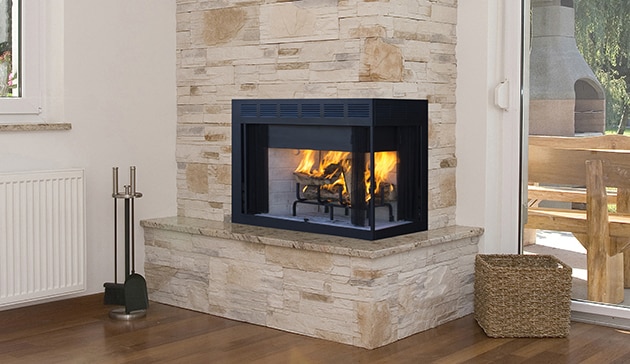
Corner fireplaces need significant clearances on both adjacent walls, typically 16-36 inches depending on the unit and local codes. My installation required a 48-inch hearth extension that projects into the room. I lost some floor space but gained a dramatic focal point that makes the room feel larger and more organized around the corner feature. Planning furniture arrangement early helps maximize the remaining space.
What are the ongoing costs of operating a corner wood fireplace?
My annual costs include firewood ($300-400 for a cord), chimney cleaning ($150-200), and occasional repairs or maintenance. Insurance costs didn’t increase significantly. The heating savings during winter months offset most operational expenses, and I’ve found the corner location heats my home more efficiently than expected, reducing overall heating bills substantially during cold periods.
Is professional installation required for corner wood fireplaces?
Absolutely. The complexity of corner installations, especially chimney routing and structural modifications, requires professional expertise and permits. My project needed coordination between fireplace specialists, structural engineers, and roofers. DIY installation would violate building codes and create serious safety hazards. The professional installation cost was significant but essential for safe, legal, and efficient operation.
How do corner fireplaces compare to traditional wall-mounted units?
Corner installations provide heat distribution to multiple rooms and create unique design focal points, but require more complex installation and larger floor space commitments. My corner fireplace heats adjacent rooms more effectively than a wall unit would, but the installation was more expensive due to two-wall clearances and complex chimney routing. The visual impact has been worth the additional complexity and cost.

What maintenance challenges are specific to corner wood fireplaces?
Ash removal and cleaning access can be slightly more challenging due to the corner location and room layout. The chimney routing complexity requires professional cleaning rather than DIY approaches. However, I haven’t found maintenance significantly different from traditional fireplaces. Regular use, proper wood burning, and annual professional service keep my corner fireplace operating safely and efficiently.
Do corner wood fireplaces work well for heating large areas?
My corner fireplace effectively heats about 1,200 square feet, warming my main living areas during moderate cold weather. The corner placement distributes heat well to adjacent rooms, though very large or poorly insulated spaces might need supplemental heating. Proper sizing and installation are crucial for heating performance. I’ve been impressed with how efficiently the corner location radiates warmth throughout my open floor plan.

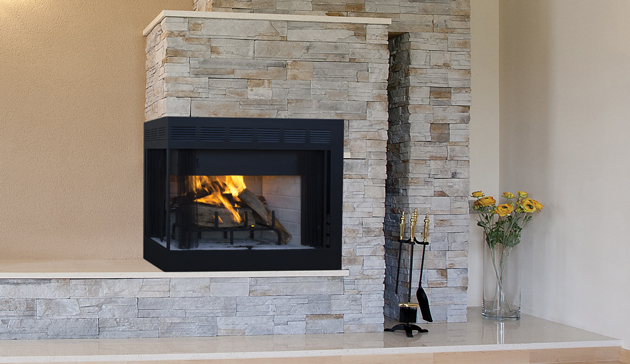
INGLENOOK CORNER – Spa Doctor
Spartherm Corner Wood Fireplace for Stoke est living Design

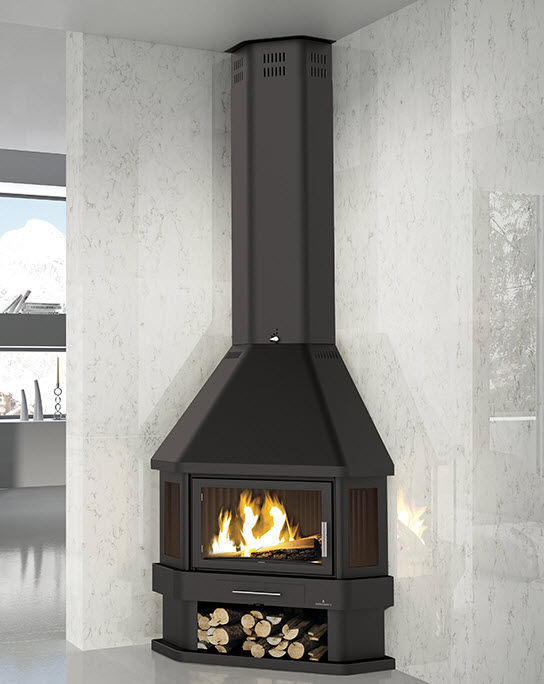
Wood-burning fireplace – LORCA-R – Bronpi Calefacción, S.L.
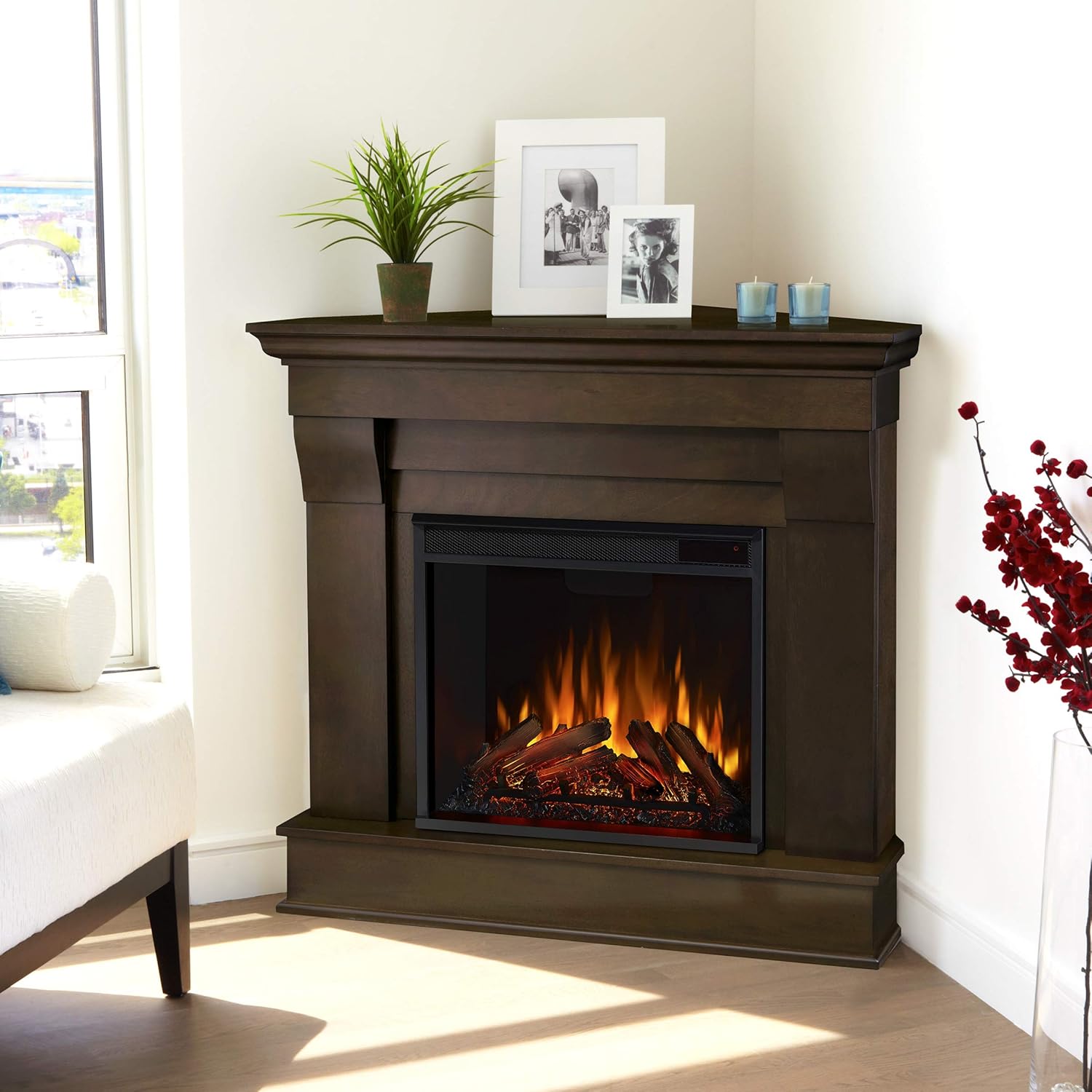
Real Flame 5950E Chateau Corner Electric Fireplace, Small, Dark Walnut
Corner fireplace insert – VISIO 2 L – Attika Feuer AG – wood
Related Posts: