When I first moved into my home with a beautiful stone fireplace, I had no idea how challenging it would be to keep the glass doors looking pristine and clear throughout the burning season. After countless frustrating attempts with regular household cleaners that left streaks, smears, and residue buildup, I finally developed a systematic approach that consistently delivers crystal-clear results. Through trial and error, research, and advice from experienced fireplace technicians, I’ve learned that cleaning fireplace glass requires specific techniques, tools, and products that differ significantly from regular window cleaning methods. The combination of creosote buildup, ash residue, and high-temperature exposure creates unique challenges that demand specialized solutions and consistent maintenance routines. My journey taught me that understanding why fireplace glass gets dirty, using the right cleaning products, and following proper techniques makes the difference between frustrating failure and satisfying success every time.
Understanding Why Fireplace Glass Gets Dirty
The science behind fireplace glass contamination fascinated me once I started researching why my beautiful glass doors turned cloudy and stained after just a few fires, despite my careful attention to proper burning practices and seasoned wood selection. Incomplete combustion creates creosote deposits that bond to glass surfaces at high temperatures, forming stubborn films that resist conventional cleaning methods and get worse when treated with inappropriate products. I learned that even with perfectly dry, seasoned wood and proper air flow, some creosote formation is inevitable because wood combustion naturally produces volatile compounds that condense on cooler surfaces like glass doors during the burning process.
Temperature differentials between the hot interior glass surface and cooler exterior create additional challenges that I hadn’t considered when I first encountered persistent cloudiness on my fireplace doors. The rapid heating and cooling cycles cause different types of residue to bond with varying degrees of permanence, with some deposits becoming nearly impossible to remove if left untreated for extended periods. I discovered that the type of wood burned, moisture content, air supply, and even outdoor weather conditions all influence the quantity and composition of deposits that accumulate on glass surfaces during each use of the fireplace.
Ash particles and soot create another layer of contamination that combines with creosote to form complex residue patterns that require specific removal strategies for effective cleaning without damaging the glass surface. I noticed that windy conditions sometimes cause downdrafts that increase ash deposition on glass, while calm weather allows more complete combustion and cleaner burning with less glass contamination. Understanding these factors helped me adjust my burning practices to minimize glass contamination while accepting that regular cleaning would always be necessary for maintaining clear, attractive fireplace doors that showcase the beautiful flames within.
Essential Tools and Materials
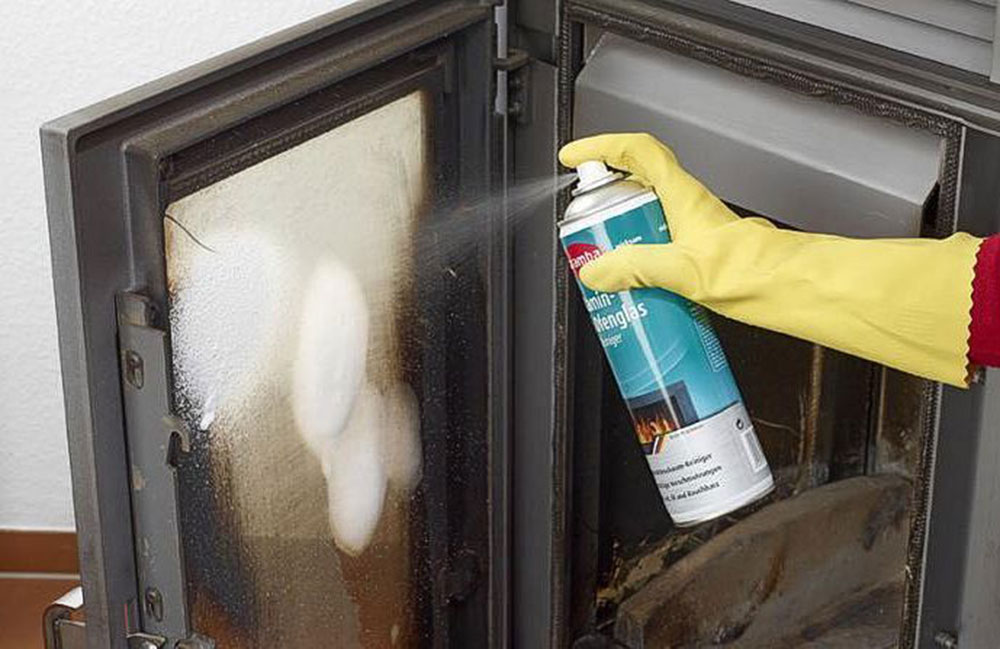
Building my fireplace glass cleaning arsenal took time and experimentation with various tools and products before discovering the combination that consistently delivers professional-quality results without damaging the glass or surrounding surfaces. Specialized fireplace glass cleaner became my most important purchase after discovering that regular glass cleaners make creosote buildup worse by spreading it around rather than dissolving and removing the stubborn deposits effectively. I invested in several different brands before finding one that cuts through creosote without leaving residue, streaks, or chemical odors that linger in the firebox during subsequent burns.
Proper cleaning tools proved just as crucial as the cleaning products themselves, and I learned that the wrong tools can scratch tempered glass or spread contamination rather than removing it completely from the surface. Razor blade scrapers designed specifically for glass cleaning became indispensable for removing stubborn buildup, while fine steel wool and specialized scrubbing pads handle moderate deposits without creating scratches or surface damage. I discovered that newspaper creates fewer streaks than paper towels or cloth rags, though microfiber cloths work well for final polishing and buffing to achieve crystal-clear results.
Safety equipment deserves equal attention with cleaning supplies, as creosote dust and glass cleaning chemicals require proper ventilation and personal protection during the cleaning process to avoid health hazards and accidents. I always wear safety glasses, rubber gloves, and ensure adequate ventilation when cleaning fireplace glass, especially when using chemical cleaners or scraping tools that might create airborne particles. Having a dropcloth and vacuum cleaner nearby makes cleanup easier while protecting surrounding surfaces from drips, debris, and cleaning residue that inevitably accompany thorough fireplace glass maintenance sessions.
Step-by-Step Cleaning Process
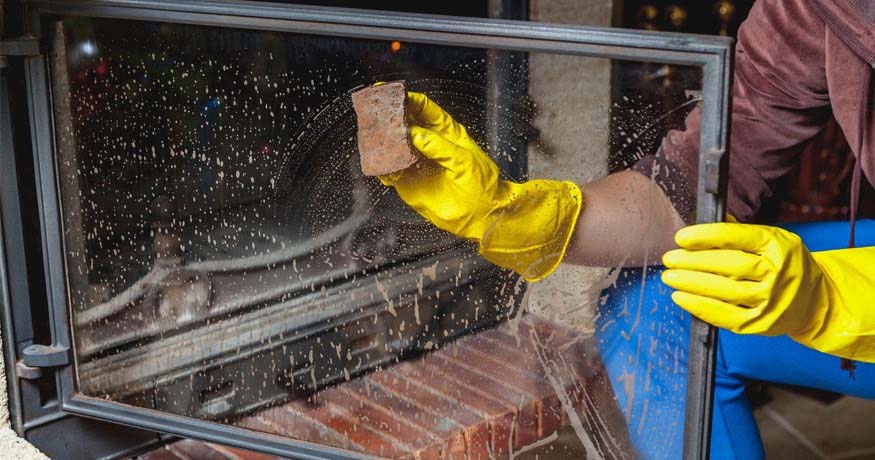
My cleaning routine begins with ensuring the fireplace is completely cool and all ashes are properly removed from the firebox to prevent contamination of cleaned surfaces and provide safe working conditions. I remove the glass doors entirely when possible, as cleaning them outside the fireplace allows better access, lighting, and control over the cleaning process while protecting the surrounding stonework from cleaning chemicals and residue. When door removal isn’t practical, I lay down protective coverings and ensure adequate lighting to see all areas clearly during the cleaning process, paying special attention to corners and edges where buildup tends to accumulate.
Initial assessment determines which cleaning approach will be most effective, starting with the gentlest methods before progressing to more aggressive techniques for stubborn deposits that resist initial cleaning attempts. Light deposits often respond well to warm water and mild dish soap applied with soft cloth, while moderate buildup requires commercial fireplace glass cleaner and more thorough scrubbing with appropriate tools. Heavy creosote deposits demand careful scraping with razor blades followed by chemical cleaners and multiple cleaning cycles to achieve complete removal without damaging the glass surface or leaving residue behind.
The cleaning sequence follows a systematic pattern that prevents recontamination and ensures complete coverage of all glass surfaces, starting from the top and working downward to allow gravity to assist in removing dissolved deposits and cleaning solutions. I apply cleaner generously and allow adequate dwell time for chemical action to break down deposits before scrubbing, which reduces the physical effort required and minimizes the risk of scratching the glass surface. Final cleaning involves multiple passes with clean materials and fresh cleaner to remove all residue, followed by thorough drying and polishing to achieve streak-free, crystal-clear results that showcase the fireplace beautifully.

Dealing with Stubborn Buildup
Severe creosote accumulation requires patience, persistence, and sometimes multiple cleaning sessions to achieve complete removal without damaging the tempered glass or creating safety hazards during the process. I’ve learned that attempting to remove years of buildup in a single session often leads to frustration and potentially dangerous shortcuts that can crack glass or create incomplete cleaning that looks worse than the original contamination. Heavy deposits benefit from initial treatment with commercial creosote remover, followed by overnight soaking to soften the most stubborn accumulations before beginning mechanical removal with appropriate scraping tools.
Razor blade techniques became essential skills for dealing with thick, bonded deposits that resist chemical treatment, requiring steady hands, proper blade angles, and consistent pressure to remove buildup without creating scratches or gouges in the glass surface. I hold the blade at approximately 45-degree angles and use short, overlapping strokes with fresh, sharp blades to minimize the risk of damage while maximizing removal effectiveness. Keeping the blade and glass surface lubricated with cleaning solution reduces friction and helps prevent scratching while making the scraping process more effective and safer.
Heat application sometimes helps soften extremely stubborn deposits, and I’ve had success using hair dryers to warm glass surfaces before applying chemical cleaners or beginning scraping operations on particularly challenging buildup. The warming effect helps chemical cleaners penetrate deeper into creosote deposits while making them more pliable for mechanical removal, though care must be taken to avoid thermal shock that could crack tempered glass. For deposits that resist all other methods, I sometimes need to repeat the entire cleaning process multiple times, gradually reducing the buildup with each session until achieving acceptable results that restore clear visibility through the fireplace doors.
Preventing Future Accumulation
Proper burning practices significantly reduce glass contamination and make regular cleaning much easier and more effective, though they cannot eliminate the need for periodic maintenance of fireplace doors. I burn only properly seasoned hardwoods with a moisture content below 20 percent, as green or wet wood produces significantly more creosote and causes faster glass contamination that requires more frequent and intensive cleaning sessions. Maintaining adequate air supply during burns ensures more complete combustion with reduced emissions that would otherwise condense on glass surfaces, while avoiding smoldering fires that produce excessive smoke and creosote formation.
Regular maintenance cleaning prevents minor deposits from becoming major problems that require aggressive chemical and mechanical removal techniques that risk damaging glass or surrounding materials. I clean my glass doors lightly after every few uses and perform thorough cleaning monthly during the active burning season, which maintains clear visibility while preventing the accumulation of deposits that become increasingly difficult to remove over time. This routine maintenance approach requires less time and effort than dealing with severe buildup while keeping the fireplace looking attractive throughout the burning season.
Environmental factors like proper chimney draft, adequate firebox ventilation, and seasonal maintenance of the entire fireplace system contribute to reduced glass contamination and improved burning efficiency that benefits both performance and appearance. I have my chimney inspected and cleaned annually, ensure damper operation is correct, and address any air leaks or draft problems that could affect combustion quality and glass cleanliness. These preventive measures create optimal burning conditions that minimize glass contamination while improving safety, efficiency, and overall fireplace enjoyment throughout each heating season.

Maintenance Schedule and Best Practices
Developing a consistent cleaning schedule has transformed fireplace glass maintenance from a dreaded chore into a manageable routine that keeps my fireplace looking beautiful throughout the burning season while preventing major cleaning challenges. I perform light cleaning after every three to four fires during active use periods, removing surface ash and light deposits before they become bonded to the glass surface through repeated heating cycles. Weekly inspections during heavy use periods help me identify developing problems early and adjust my cleaning frequency based on actual contamination patterns rather than arbitrary schedules that might not match real usage conditions.
Seasonal preparation includes thorough cleaning before the first fire of each season and comprehensive maintenance after the final fire, ensuring optimal performance and appearance throughout the entire burning season while protecting glass doors during inactive summer months. I store cleaning supplies in an organized kit that makes regular maintenance convenient and efficient, reducing the likelihood of skipping cleaning sessions due to missing tools or materials. End-of-season cleaning removes all deposits before they have months to bond more permanently to glass surfaces, making the beginning of the next season much more pleasant and successful.
Record keeping helps me track cleaning effectiveness, identify patterns in contamination rates, and adjust maintenance schedules based on actual experience rather than guesswork or manufacturer recommendations that might not match my specific usage patterns and burning conditions. I note which cleaning products work best for different types of buildup, how various weather conditions affect glass contamination, and which burning practices produce the cleanest results in my particular fireplace system. This information guides decisions about wood selection, burning techniques, and maintenance timing that optimize both fireplace enjoyment and glass cleanliness throughout each heating season.

How often should I clean my fireplace glass doors?
Clean lightly after every 3-4 fires and thoroughly monthly during the active burning season. Heavy users may need more frequent cleaning, while occasional users can extend intervals. I check mine weekly during winter and adjust frequency based on visible contamination. Consistent light cleaning prevents stubborn buildup requiring aggressive methods.
What’s the best commercial cleaner for fireplace glass?
Specialized fireplace glass cleaners work much better than regular glass cleaners for creosote removal. I’ve had excellent results with Rutland White-Off and Imperial KK0047 cleaners. Avoid ammonia-based products that can damage glass or leave residues. Test new products on small areas before full application.
Can I use household items to clean fireplace glass effectively?
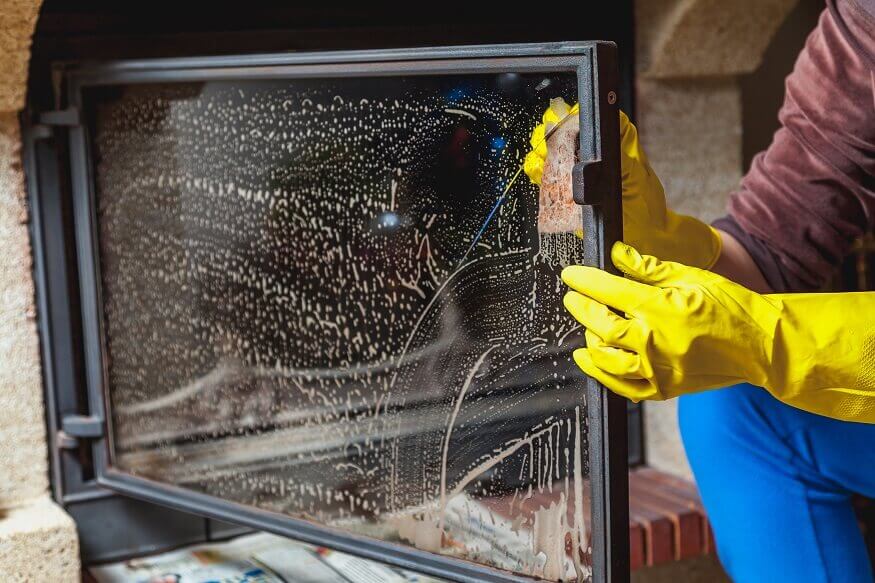
Newspaper with ash paste works surprisingly well for light deposits, while white vinegar cuts through moderate buildup. Baking soda paste helps with stubborn spots. However, commercial fireplace cleaners are more effective for heavy creosote accumulation. I keep both household and commercial options available for different situations.
Is it safe to clean glass doors while they’re still installed?
Yes, but remove doors when possible for better access and results. If cleaning installed doors, protect surrounding surfaces with drop cloths and ensure good ventilation. I find removal makes thorough cleaning much easier and prevents damage to stonework or metal frames from cleaning chemicals and overspray.
Why does my glass get dirty so quickly after cleaning?
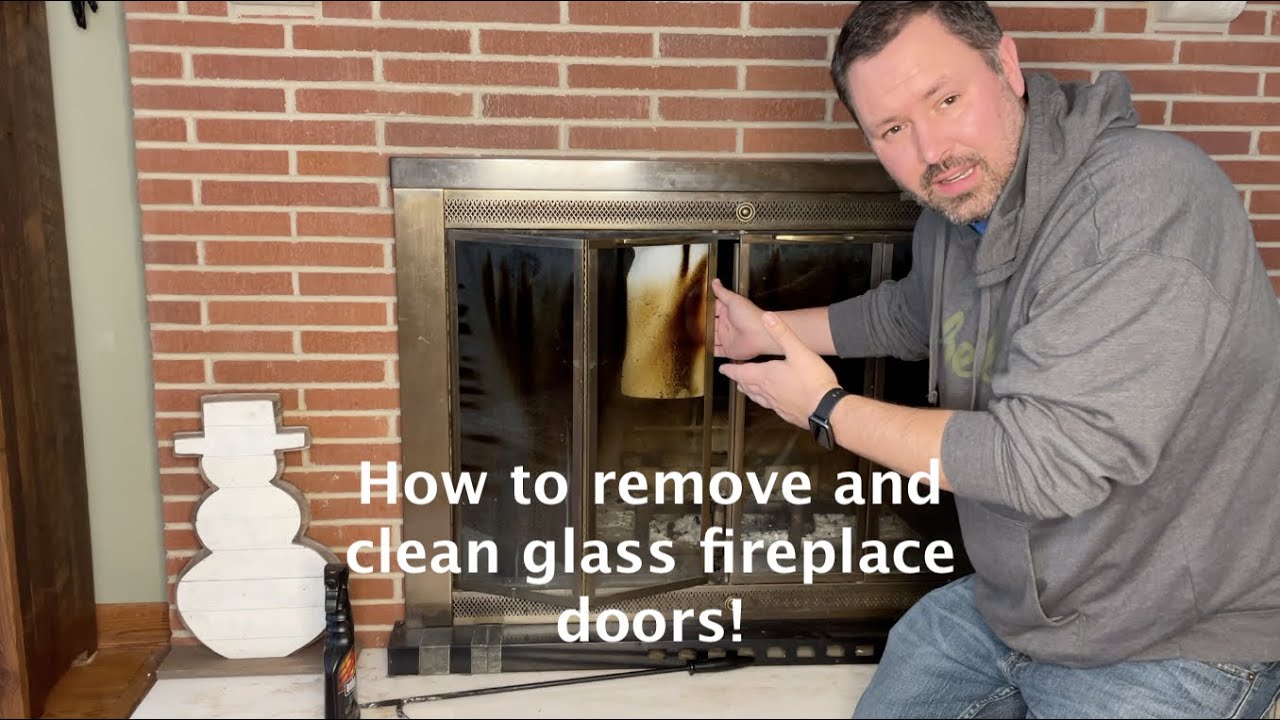
Fast recontamination usually indicates burning green wood, poor air supply, or incomplete cleaning that left residue attracting new deposits. I solved this by using only seasoned hardwood, maintaining proper damper settings, and ensuring complete removal of all cleaning residues during maintenance sessions.
What causes white film on fireplace glass, and how do I remove it?
White film typically results from mineral deposits in the glass or cleaning residue rather than creosote buildup. Use a vinegar solution or specialized mineral deposit remover, followed by thorough rinsing. I prevent this by using distilled water for final rinses and ensuring complete removal of all cleaning products.
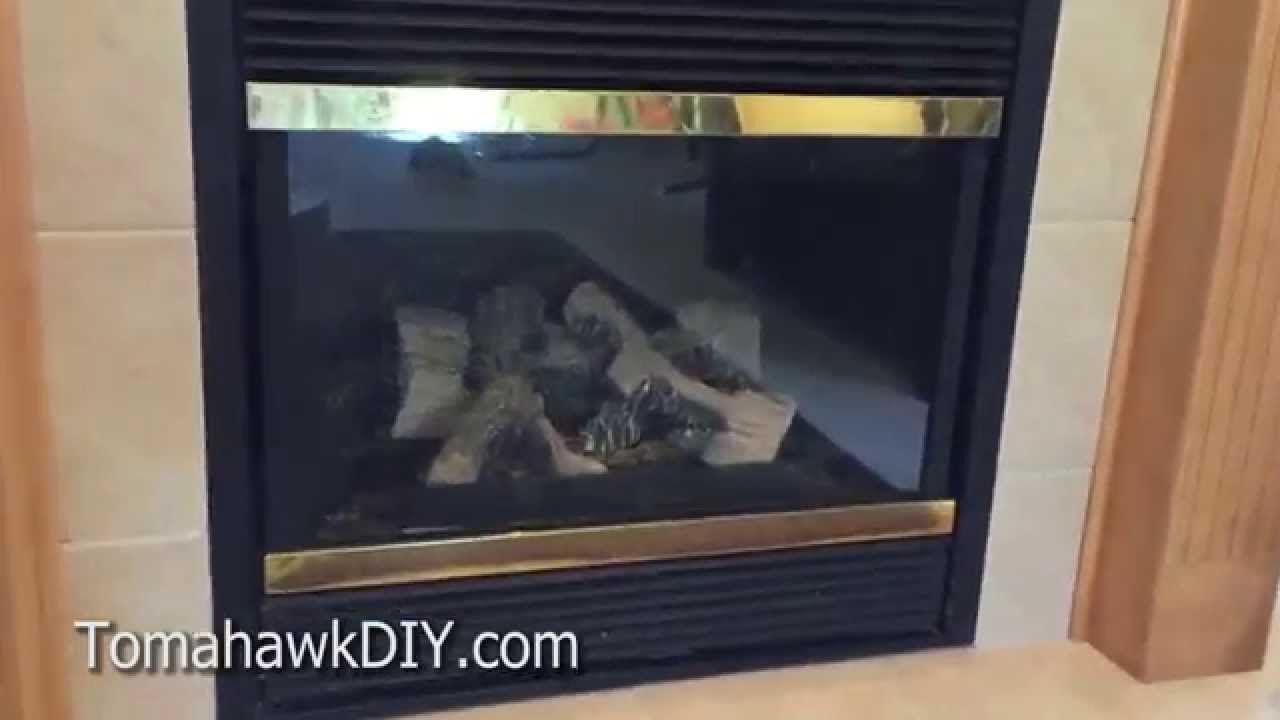
How to Clean Glass Fireplace Doors
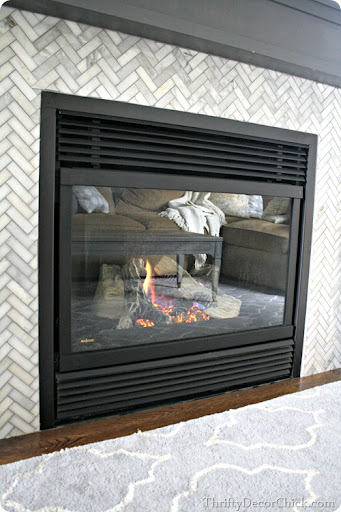
Cleaning the INSIDE of gas fireplace glass Thrifty Decor Chick
How to Clean Fireplace Glass Properly

How to Clean Glass Fireplace Door with Ash
Related Posts: