When I bought my house four years ago, the living room had a beautiful old masonry fireplace that looked amazing but was useless for heating. Cold air poured down the chimney all winter, and the few times I tried to use it for wood fires, most of the heat went straight up the flue while smoke occasionally drifted into the room. After researching my options, I decided to install a natural gas fireplace insert, and it’s been one of the best home improvement decisions I’ve ever made.
Choosing the Right Size and BTU Rating
Determining the correct size for my natural gas insert required more research than I initially expected, but getting it right made all the difference in performance and efficiency. I measured my living room and connected dining area, calculated the square footage, and then considered factors like ceiling height, insulation quality, and how open the floor plan was to other areas. My 400 square foot living space with 10-foot ceilings needed about 20,000 BTUs for optimal heating performance.
I made the mistake of initially wanting the largest insert that would fit in my fireplace opening, thinking bigger would always be better. However, my installer explained that an oversized unit would cycle on and off too frequently, reducing efficiency and creating uneven heating. The properly sized 25,000 BTU unit I eventually chose heats my main living area perfectly while providing supplemental heat to adjoining rooms through natural air circulation.
The relationship between fireplace opening size and insert dimensions was more complex than I anticipated. My fireplace opening measured 36 inches wide and 30 inches tall, but the insert itself needed to be smaller to allow for proper clearances and installation of the liner system. I ended up with a unit that’s 32 inches wide and 26 inches tall, which fits perfectly and still provides an impressive flame display that fills the opening beautifully.
Installation Process and Professional Requirements
I quickly learned that installing a natural gas fireplace insert is not a DIY project and requires multiple licensed professionals to complete safely and legally. My installation involved a certified fireplace technician, a licensed gas plumber, and required permits from my local building department. The process took two full days and cost more than I initially budgeted, but the complexity of the work made professional installation necessary.
The first step involved installing a flexible stainless steel liner down my existing chimney to vent the insert properly. This liner connects the insert to the chimney top and ensures safe exhaust of combustion gases. My technician had to navigate some challenging bends in my old chimney, and the liner installation alone took most of the first day. They also installed a new chimney cap and spark arrestor designed specifically for gas inserts.
The gas line installation required running a new dedicated line from my meter to the fireplace location because my existing gas line wasn’t large enough to supply the insert’s BTU requirements. The plumber had to cut through my basement ceiling and fish the line through the walls, which was messier than I expected but necessary for proper operation. All the gas connections required pressure testing and inspection before the unit could be operated.

Operating Features and Remote Control Options
The convenience features on modern gas fireplace inserts amazed me compared to the wood-burning fireplace I grew up with. My unit has a programmable thermostat that maintains exact temperature control, turning the flames on and off automatically to keep my living room at the perfect temperature. I can set different temperatures for different times of day, just like a central heating system.
The remote control capabilities transformed how I use my fireplace for both heating and ambiance. I can adjust flame height, fan speed, and lighting levels from across the room, making it easy to create the perfect atmosphere for different occasions. The remote also includes a timer function that lets me set the fireplace to turn on before I get home from work or turn off automatically at bedtime.
I was surprised by how many customization options were available for flame appearance and heat distribution. My insert has adjustable ceramic logs that can be arranged in different ways, and I can control the flame pattern from a gentle flicker to a more dramatic dancing flame. The variable speed blower lets me choose between quiet operation for ambiance or higher fan speeds for maximum heat distribution throughout the room.

Efficiency and Cost Savings
The efficiency improvement over my old open fireplace was dramatic and immediately noticeable on my utility bills. My gas insert operates at about 75% efficiency, meaning most of the BTUs produced heat my home rather than going up the chimney. During mild winter weather, I can heat my main living areas with the insert and turn down my central heating system, resulting in significant monthly savings.
I tracked my natural gas usage before and after installation to quantify the actual savings. During the winter months, my gas bills increased by about $40-50 monthly for fireplace usage, but I was able to reduce my central heating costs by $80-100 monthly by keeping that system at lower temperatures. The net savings of $30-50 per month during heating season add up to substantial annual savings.
The zone heating capability of the gas insert allows me to heat only the spaces I’m using rather than maintaining high temperatures throughout the entire house. On weekends when my family spends most of our time in the living room, I can keep that area at 72 degrees with the insert while setting the central heat to 65 degrees. This targeted heating approach has reduced my overall energy consumption significantly.

Maintenance Requirements and Safety Considerations
Annual maintenance for my gas fireplace insert is much simpler than I expected, though it’s important not to skip the yearly professional service. My technician cleans the burner system, checks all gas connections for leaks, inspects the venting system, and tests all safety controls during the annual service call. This maintenance visit costs about $150 but ensures safe, efficient operation and maintains my warranty coverage.
The day-to-day maintenance I handle myself is minimal compared to a wood-burning fireplace. I vacuum the glass front monthly to remove any dust or pet hair, and I occasionally rearrange the ceramic logs if they shift during operation. The glass stays remarkably clean compared to wood-burning fireplaces, rarely requiring more than a quick wipe with glass cleaner to maintain crystal-clear visibility.
Safety features on modern gas inserts provide peace of mind that I never had with my old wood fireplace. My unit has an oxygen depletion sensor that automatically shuts off gas flow if oxygen levels drop too low, and a flame sensor that stops gas flow if the pilot light goes out. The glass front stays much cooler than I expected, though I still keep small children and pets at a safe distance when the unit is operating.

Aesthetic Appeal and Design Integration
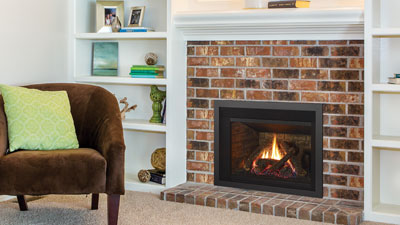
The visual impact of my gas fireplace insert exceeded my expectations and transformed my living room into the cozy gathering space I’d always wanted. The realistic ceramic logs and adjustable flame patterns create a convincing wood fire appearance that guests often can’t distinguish from the real thing. The dancing flames provide the same mesmerizing focal point as a traditional wood fire without the mess and maintenance hassles.
The design flexibility of gas inserts allowed me to customize the appearance to match my home’s style perfectly. I chose a traditional black iron surround that complements my colonial-style home, but the same insert was available with contemporary brushed steel or antique brass options. The trim kit installation covered the gap between the insert and my existing fireplace opening, creating a seamless, built-in appearance.
The ambient lighting created by the fireplace has completely changed how we use our living room. Even when I don’t need the heat, I often run the fireplace on low flame settings for the warm, inviting glow it provides. The soft lighting creates a relaxing atmosphere that’s perfect for reading, entertaining, or just unwinding after work. The room feels much more intimate and welcoming than it ever did with just electric lighting.

How much does it typically cost to install a natural gas fireplace insert?
My installation cost about $4,500 total, including the mid-range insert ($2,800), professional installation ($1,200), and gas line work ($500). Prices vary significantly based on insert quality, installation complexity, and local labor rates. Budget $3,000-7,000 for a complete installation with quality components.
Can you install a gas fireplace insert in any existing fireplace?
Most masonry fireplaces can accommodate inserts, but not all. My installer had to verify my chimney condition, opening dimensions, and gas line accessibility. Some older chimneys need repairs or modifications before installation. A professional assessment is essential to determine feasibility and requirements.

How realistic do the flames look compared to a real wood fire?
I’m constantly amazed by how realistic mine looks. The ceramic logs are incredibly detailed, and the flame patterns are very convincing. Guests often ask if I’m burning real wood. While purists might notice the difference, the visual effect is remarkably similar to authentic wood fires.
Are gas fireplace inserts safe to operate overnight or when away from home?
Mine has excellent safety features, including automatic shut-offs, but I still don’t run it overnight or when leaving home for extended periods. The thermostat control means it cycles on and off automatically, but I prefer being present when it’s operating. Many people run them unattended safely.

How much does it cost to operate a gas fireplace insert during the winter months?
My monthly gas usage for the insert runs $40-50 during winter, but I save $80-100 on central heating by using zone heating. Operating costs vary based on local gas prices, usage patterns, and home insulation. The efficiency makes it cost-effective for primary heating in the main living areas.
Do gas fireplace inserts require regular chimney cleaning like wood-burning fireplaces?
No, gas inserts don’t produce creosote or ash like wood burning, so traditional chimney cleaning isn’t necessary. However, the liner system should be inspected annually for proper venting and any blockages. My annual service includes checking the entire venting system for safe operation.

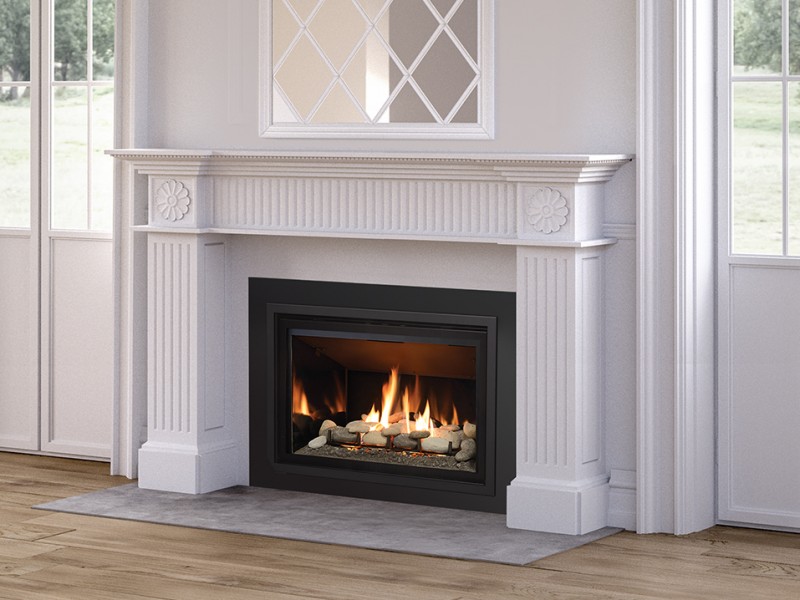
Chaska 34 Gas Fireplace Insert Kozy Heat
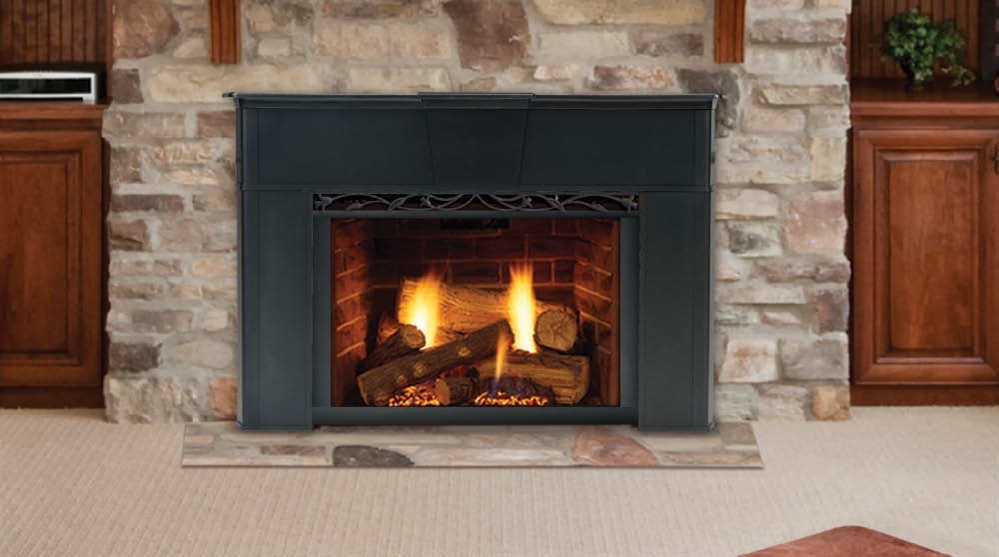
Monessen Direct Vent Gas Fireplace Insert Reveal
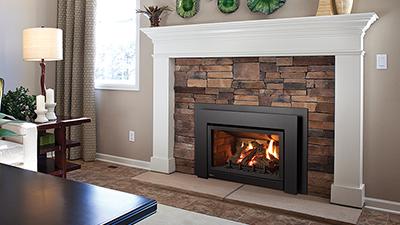
Gas Fireplace Inserts Replace Old Wood Fires Regency
Gas Fireplace Inserts
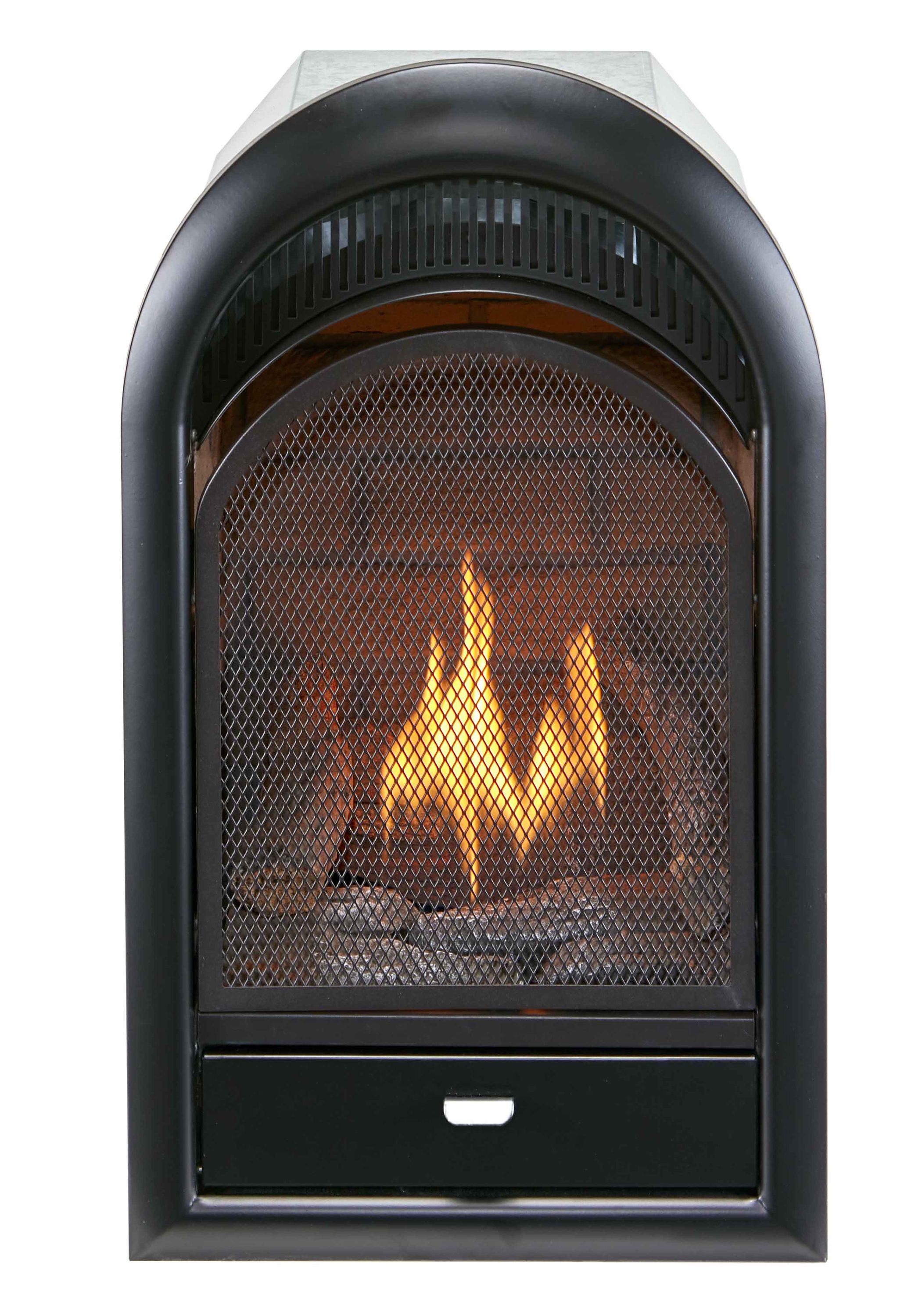
Gas Fireplace Inserts Replace Old Wood Fires Regency
Related Posts: