When I first moved into my 1920s craftsman home, the old brick fireplace was beautiful but completely non-functional. The chimney needed thousands of dollars in repairs, and frankly, I wasn’t ready for the hassle of real fires. That’s when I discovered vintage electric fireplace inserts, and let me tell you, it was a game-changer that brought warmth and character back to my living room without breaking the bank.
Finding the Perfect Vintage Style Insert
I spent weeks researching different vintage-inspired electric fireplace inserts, and I quickly learned that not all are created equal. The key was finding one that matched my home’s authentic 1920s character while providing modern efficiency. I eventually chose a cast-iron-look model with brass accents that perfectly complemented my existing mantelpiece.
The shopping process taught me to pay attention to details like flame technology and log arrangement. I discovered that some cheaper models have obviously fake-looking flames, while higher-end units use LED technology that creates surprisingly realistic fire effects. I also learned that the log placement and ember bed design make a huge difference in authenticity.
What really sold me was finding an insert with multiple flame settings and colors. I can adjust everything from a gentle flicker for ambient lighting to a roaring fire effect for cozy winter evenings. The ability to run the flames without heat during the summer months means I get year-round ambiance, which has become one of my favorite features.
Installation Challenges and Solutions I Faced
Installing my vintage electric fireplace insert seemed straightforward until I actually started the project. My biggest challenge was dealing with the existing fireplace opening, which wasn’t quite the right size for my chosen insert. I had to create a custom surround panel to fill the gaps while maintaining the vintage aesthetic I wanted.
The electrical requirements caught me off guard initially. While most inserts plug into standard outlets, I quickly realized my fireplace area didn’t have convenient access to power. I ended up hiring an electrician to install a dedicated outlet behind the unit, which was worth every penny for the clean, professional look it created.
Measuring became critical when I discovered that fireplace openings vary significantly, even in homes from the same era. I learned to measure not just width and height, but depth as well. My insert needed proper clearance for ventilation, and I had to ensure the power cord could reach without creating safety hazards or unsightly cable runs.

Heat Output and Efficiency Experiences
I was pleasantly surprised by how effectively my vintage electric insert heats my living room. The unit I chose puts out 5,000 BTUs, which comfortably warms my 400-square-foot space on all but the coldest days. The fan is whisper-quiet, and I love that I can control both temperature and fan speed independently.
The efficiency compared to my old central heating system has been remarkable. Instead of heating my entire house just to stay comfortable in the living room, I can zone-heat exactly where I need it. My electric bills actually went down during moderate weather months because I rely less on the main furnace system.
One thing I didn’t anticipate was how quickly the unit heats up and cools down. Unlike traditional fireplaces that take time to build heat, my electric insert provides instant warmth at the touch of a button. The safety features, including automatic shut-off and cool-touch surfaces, give me peace of mind that I never had with real fires.

Maintenance and Long-Term Ownership
Maintaining my vintage electric fireplace insert has been refreshingly simple compared to what I remember from childhood with real fireplaces. There’s no ash cleanup, no chimney cleaning, and no worries about creosote buildup. My maintenance routine consists mainly of dusting the exterior and occasionally wiping down the glass front with an appropriate cleaner.
The LED flame technology has proven incredibly durable. After three years of regular use, I haven’t had to replace any bulbs or components. The manufacturer assured me that the LED elements should last 50,000 hours, which translates to decades of normal use. This longevity was a major selling point compared to traditional bulb-based systems.
I do perform seasonal maintenance checks, mainly ensuring the air intake and output vents stay clear of dust and debris. The instruction manual recommended annual professional inspection, but honestly, the unit has been so reliable that I’ve stretched this to every other year with no issues. The built-in diagnostics alert me to any potential problems before they become serious.

Cost Analysis and Value Considerations
The initial investment in my vintage electric fireplace insert was significant, around $1,200 for a quality unit, but it’s proven worthwhile over time. When I compared this to the estimated $8,000 for chimney repairs and ongoing maintenance costs of a real fireplace, the math made perfect sense for my situation.
My monthly operating costs during peak usage months average about $40-50, depending on local electricity rates and how often I run the heat function. I’ve found that using it strategically for zone heating actually reduces my overall heating costs by allowing me to lower my thermostat setting while maintaining comfort in my main living area.
The added home value has been another pleasant surprise. My real estate agent mentioned that the updated fireplace adds appeal for potential buyers who want the ambiance of a fireplace without the maintenance concerns. While I don’t plan to move anytime soon, knowing I’ve made a value-adding improvement feels good.
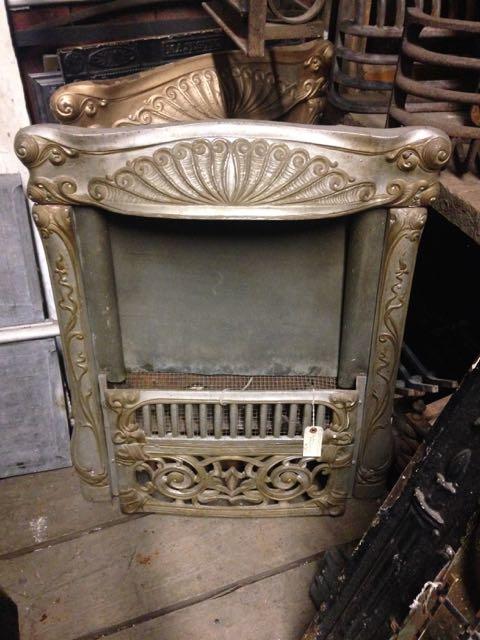
Design Integration and Aesthetic Impact
Integrating my vintage electric insert with my existing home décor required some thoughtful planning, but the results exceeded my expectations. The key was choosing a model that complemented rather than competed with my original mantelpiece and hearth materials. The aged brass and cast iron finish I selected blends seamlessly with my home’s authentic period details.
I enhanced the vintage look by adding period-appropriate accessories like antique fireplace tools and a decorative screen for when the unit isn’t in use. Small touches like vintage bellows and old fire-starting tools displayed on the hearth help sell the authentic atmosphere. I even found reproduction vintage fireplace matches that add to the overall aesthetic.
The lighting effects have transformed my living room’s ambiance completely. During dinner parties, I keep the flames on low without heat for mood lighting. The warm glow creates an inviting focal point that draws people together, just like traditional fireplaces have done for centuries. Guests consistently comment on how cozy and authentic the space feels.
How realistic do the flames look compared to a real fire?
Modern LED flame technology has come incredibly far. While you won’t fool anyone into thinking it’s real wood burning, the effect is surprisingly convincing, especially in dim lighting. I’ve had guests do double-takes when they realize it’s electric. The key is choosing a quality unit with good flame effects.
Can I run the fireplace during power outages?
Unfortunately, no. Electric fireplace inserts require electricity to operate both the flames and heating elements. However, I keep battery-powered LED candles nearby for emergencies. Some people install backup generators, but that seems excessive for a fireplace alone.

How much does it cost to operate daily?
Running just the flames costs pennies per hour, maybe 25-50 cents for an entire evening of ambiance. Adding the heater increases costs to roughly $1-2 per hour, depending on your local electricity rates. I find zone heating actually saves money compared to heating my whole house.
Will it work in my existing fireplace opening?
Most standard fireplace openings accommodate electric inserts, but measuring is crucial. You need proper clearances for ventilation and safety. I recommend measuring width, height, and depth before shopping. Some units include trim kits to help with fitting odd-sized openings.

How long do these units typically last?
Quality electric fireplace inserts should last 15-20 years with normal use. The LED components are rated for 50,000+ hours, and the heating elements are quite durable. I’ve had mine for three years with zero issues. Regular dusting and keeping vents clear help maximize lifespan.
Is professional installation required?
Basic installation is often DIY-friendly if you have electrical access nearby. However, I recommend professional installation for electrical work, especially if you need new outlets or dedicated circuits. The peace of mind and warranty protection are worth the extra cost for most homeowners.

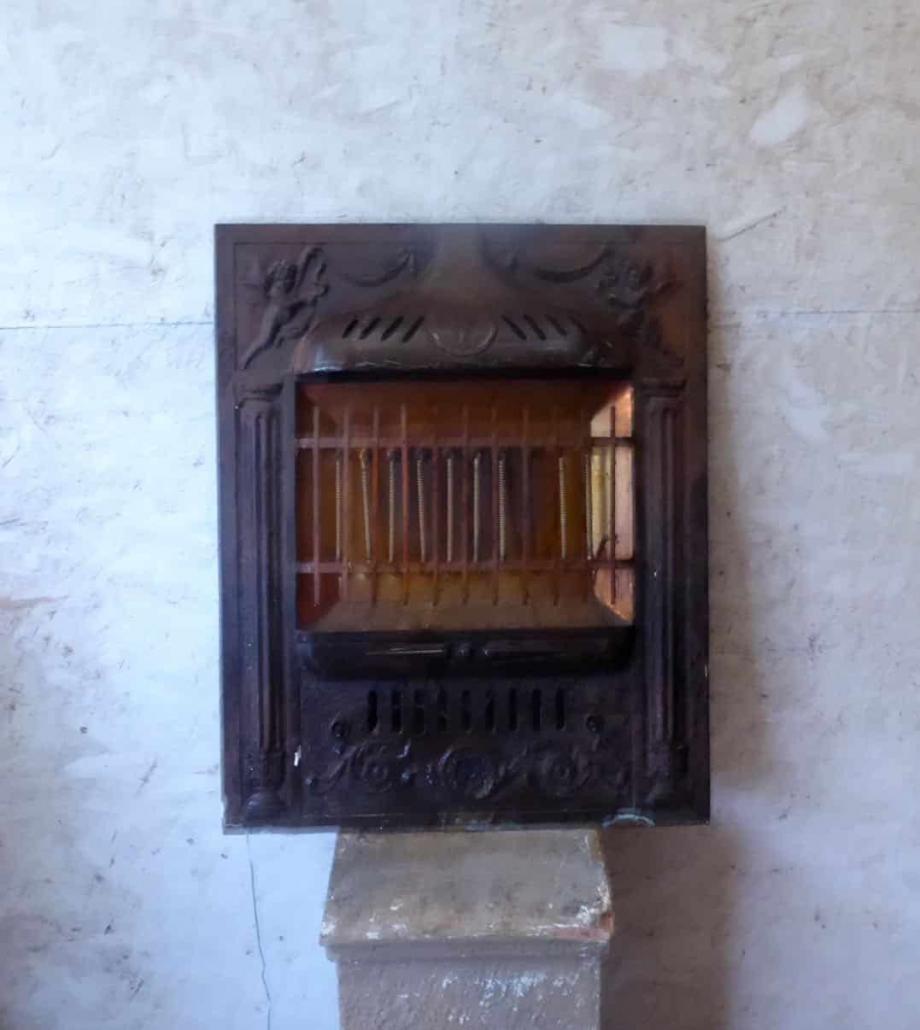
vintage electrical fireplace insert antique appraisal
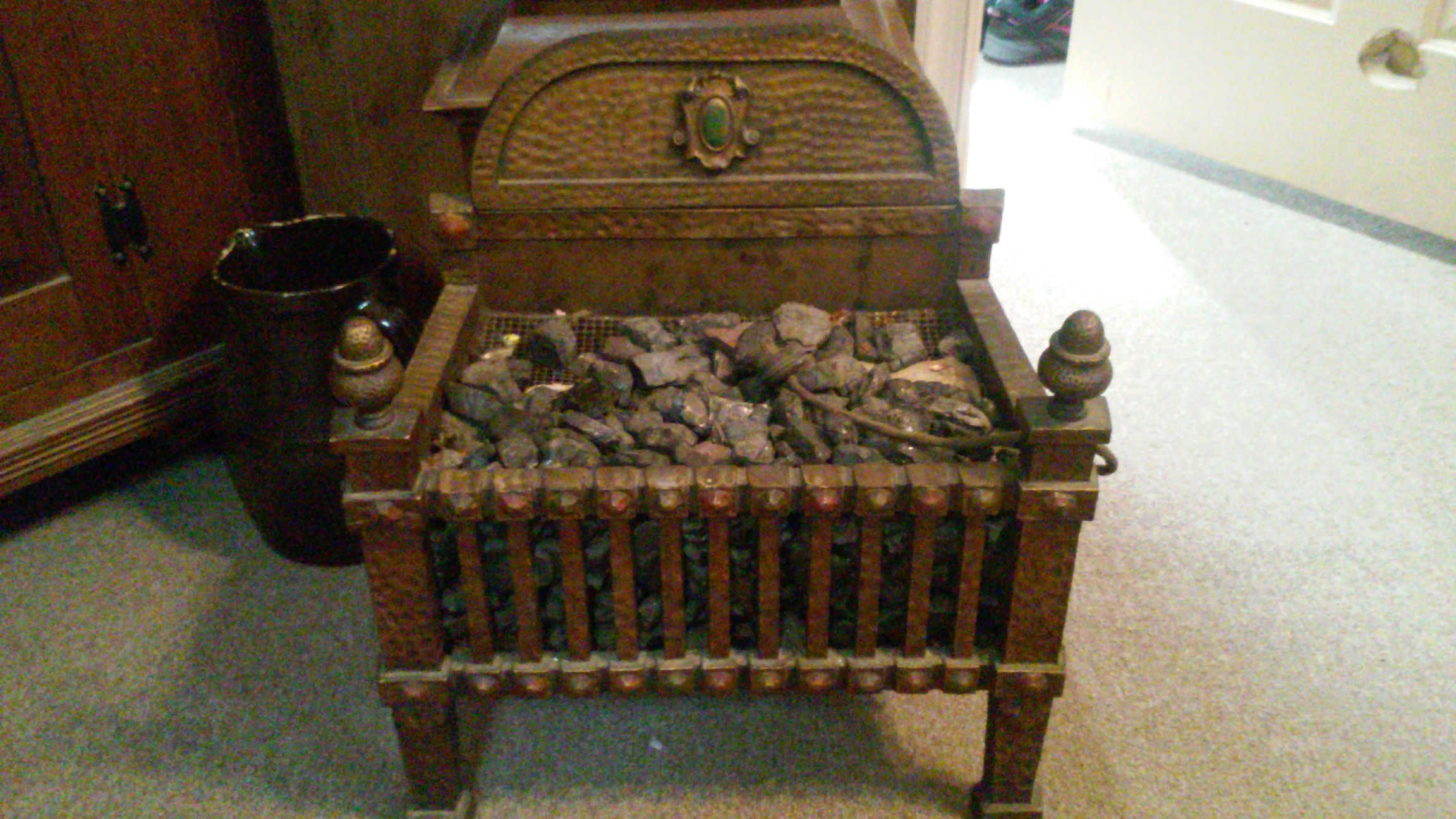
Antique Electric Fireplace Inserts ideas fireplace inserts

Vintage Electric Fireplace Insert
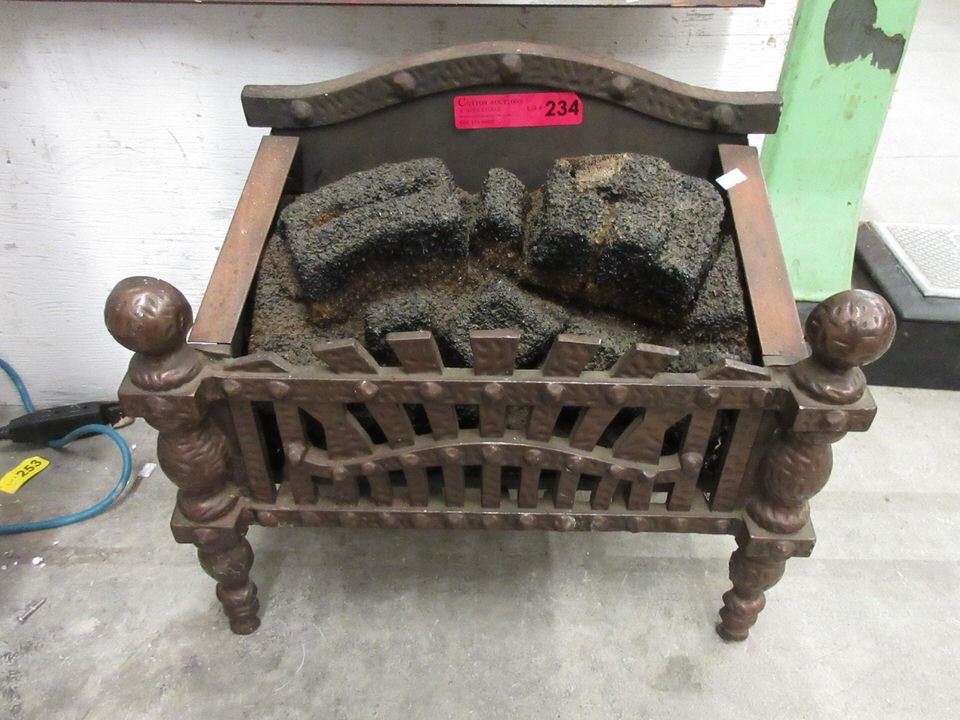
Antique White Electric Fireplace

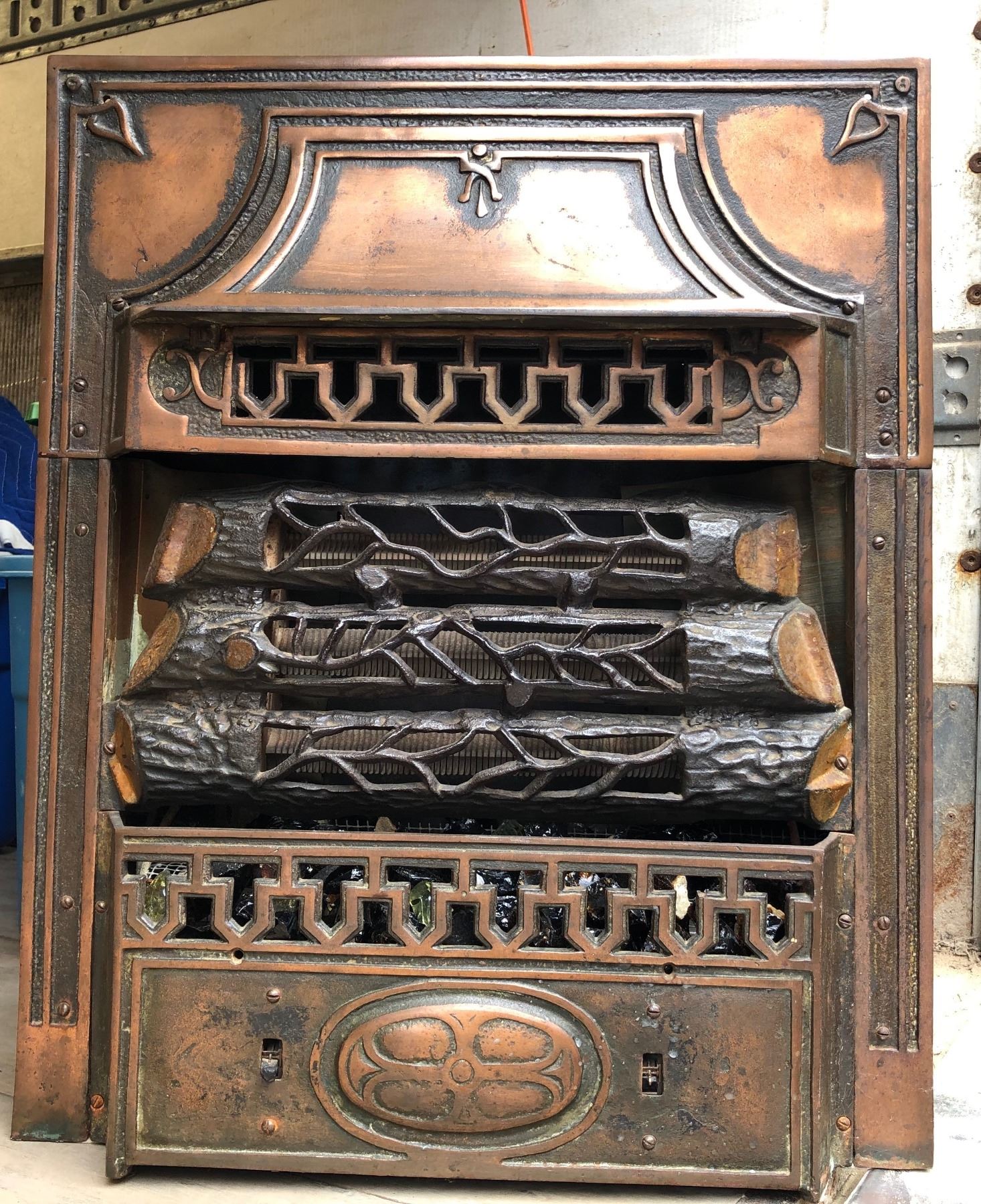
ANTIQUE ELECTRIC COPPER FIREPLACE INSERT
Related Posts: