When I inherited my grandmother’s 1940s farmhouse, the original brick fireplace was beautiful but desperately needed functional doors for safety and efficiency. I spent months researching options, determined to find rustic fireplace doors that would complement the home’s character while providing modern safety features. After installing hand-forged iron doors with antique brass hardware, I’ve gained extensive knowledge about selecting, installing, and maintaining these functional works of art. Let me share my journey and help you find the perfect rustic doors for your fireplace.
Understanding Different Rustic Door Styles and Materials
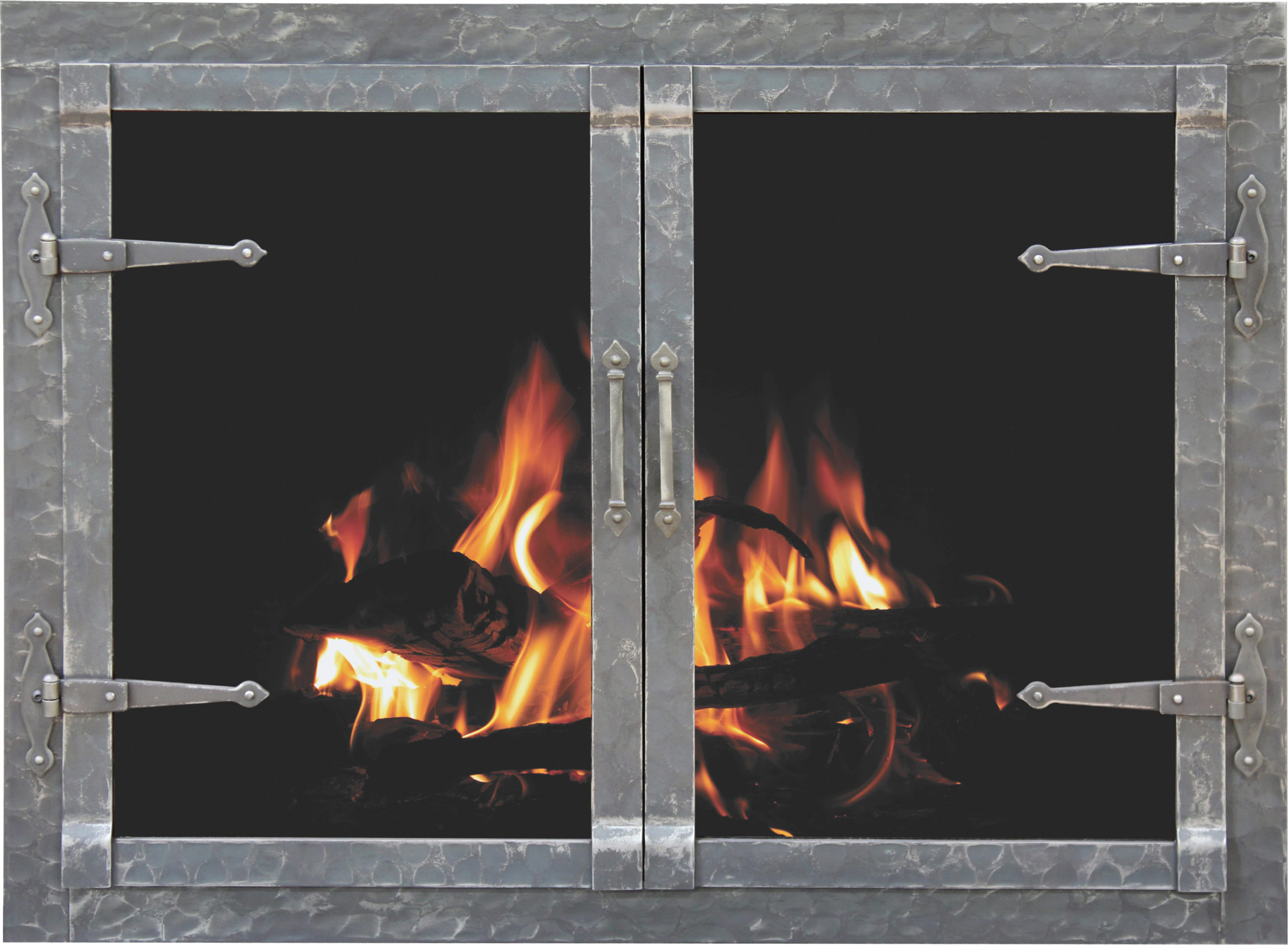
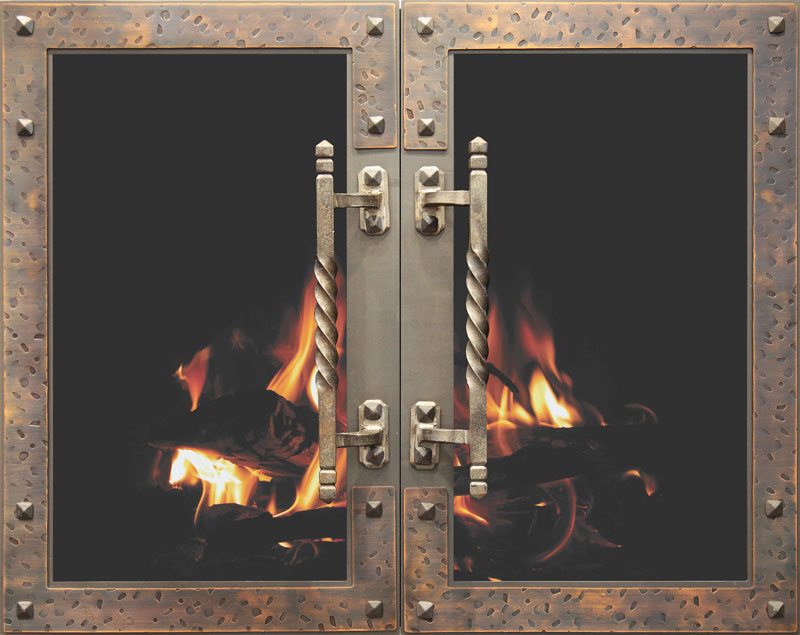
My exploration of rustic fireplace door styles revealed fascinating options that ranged from simple farmhouse designs to elaborate hand-forged creations. Wrought iron became my favorite material for its authentic rustic appeal and incredible durability. The hand-hammered textures and slightly irregular lines of quality wrought iron doors create visual interest while maintaining the handcrafted character essential to rustic design aesthetics.
Cast-iron doors offered a distinct rustic appeal with their substantial weight and ability to accommodate intricate decorative details. I found beautiful examples featuring nature motifs like oak leaves, pine cones, and wildlife scenes that perfectly captured the outdoor spirit of rustic living. The thermal mass of cast iron also helps radiate heat even after fires die down, adding functional benefits to its decorative appeal.
Steel doors with distressed finishes provided budget-friendly alternatives that still achieved authentic rustic looks. Quality manufacturers use various aging techniques, including rust patinas, hammered textures, and weathered paint finishes that mimic decades of use. While not as durable as wrought iron, well-made steel doors offer excellent value for homeowners wanting rustic style without premium pricing.
Choosing Between Bi-Fold and Cabinet Style Doors
Deciding between bi-fold and cabinet-style doors for my rustic fireplace required considering both aesthetics and practical functionality. Bi-fold doors, with their accordion-style opening mechanism, maximize the fireplace opening when folded back, providing unobstructed views of the fire. I loved how these doors completely disappeared to the sides, maintaining the open hearth feeling while offering full closure when needed for safety or efficiency.
Cabinet-style doors, opening like traditional hinged doors, offered classic proportions that felt more authentic to my farmhouse’s historical period. The substantial appearance of these doors when closed created an impressive focal point even when the fireplace wasn’t in use. I appreciated how cabinet doors could swing fully open or partially closed to control airflow and heat output during fires.
My final choice came down to clearance requirements and room layout considerations. Cabinet doors need adequate space to swing open fully, which could interfere with furniture placement in smaller rooms. Bi-fold doors require less clearance but need proper track maintenance to operate smoothly. I ultimately chose cabinet doors because they felt more authentic to the home’s 1940s character, and my living room had sufficient space.
Installation Challenges and Professional vs DIY Considerations
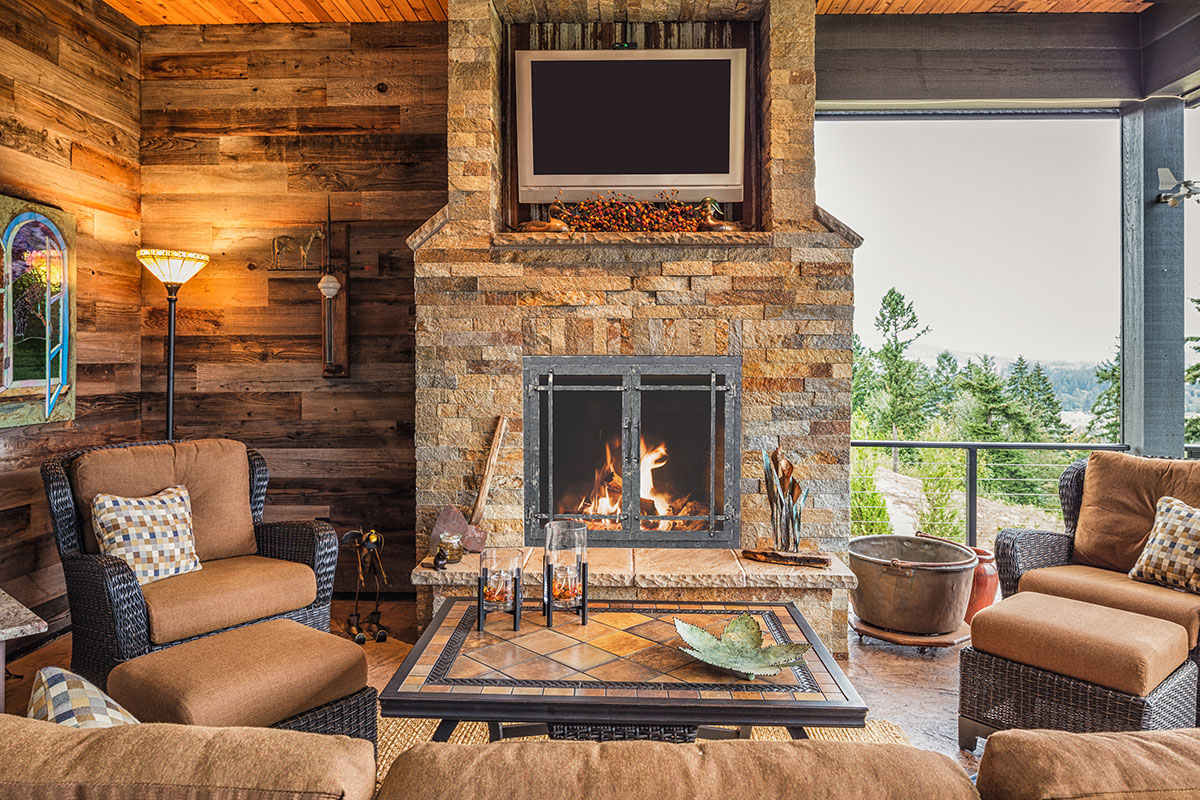
Installing my rustic fireplace doors taught me about the complexities of working with both old fireplaces and heavy iron doors. The first challenge involved measuring the fireplace opening accurately, accounting for any irregularities in the old masonry work. I discovered that hand-laid brick fireplaces rarely have perfectly square openings, requiring custom adjustments or shimming during installation to ensure proper fit and operation.
The weight of quality rustic doors demanded careful attention to mounting systems and structural support. My wrought iron doors weighed nearly 80 pounds, requiring robust hinges and anchoring systems rated for the load. I learned that mounting into old brick and mortar requires specialized masonry bits and anchors designed for heavy-duty applications. Poor anchoring could result in sagging doors or masonry damage over time.
Professional installation became worthwhile for ensuring both safety and proper function. While I’m reasonably handy, the combination of precise measurements, heavy materials, and old masonry convinced me to hire experienced installers. They had specialized tools and expertise for working with vintage fireplaces, ensuring my doors operated smoothly and sealed properly for optimal efficiency and safety.

Hardware Selection and Finish Coordination
Choosing hardware for my rustic fireplace doors required balancing functionality with aesthetic authenticity. I selected hand-forged hinges that matched the door’s wrought iron construction, ensuring cohesive styling throughout the installation. The slightly irregular surfaces and visible hammer marks on handcrafted hardware reinforced the rustic character while providing the strength needed for heavy door operation over many years.
Latch mechanisms are needed to provide secure closure while complementing the rustic aesthetic. I chose a simple slide bolt system with antique brass finish that operated smoothly and looked appropriately vintage for my 1940s farmhouse. The brass patina developed naturally over time, adding authentic aging that enhanced rather than detracted from the overall rustic appearance.
Handle selection became crucial for both safety and style, requiring heat-resistant materials that remained cool during fireplace operation. I opted for wrought iron handles with wooden inserts that stayed comfortable to touch even during fires. The combination of metal and wood felt authentic to the rustic theme while providing practical functionality for safe door operation throughout the heating season.

Safety Features and Modern Code Compliance
Ensuring my rustic fireplace doors met current safety standards required careful attention to modern building codes while maintaining authentic styling. Tempered glass became non-negotiable for safety, providing clear fire views while containing sparks and embers that could escape open fireplaces. I learned that safety glass must meet specific thickness requirements and impact resistance standards for fireplace applications.
Screen systems behind the glass doors provided additional spark protection when doors were opened during fires. I chose a traditional mesh screen with a heavy-duty frame that could handle high temperatures while maintaining the rustic aesthetic. The screen rolls up discreetly when not needed, preserving clear fire views while providing essential safety backup when doors are open.
Ventilation considerations became important for both safety and efficiency. Modern codes require specific clearances and airflow provisions to prevent carbon monoxide buildup and ensure complete combustion. My installer added adjustable air intake vents at the bottom of the door frame, designed to blend seamlessly with the rustic styling while meeting safety requirements for proper fireplace operation.

Maintenance and Care for Longevity
Maintaining my rustic fireplace doors has proven straightforward with proper techniques and regular attention. Monthly cleaning with specialized glass cleaners removes soot and ash buildup that can obscure fire views and create permanent staining if left untreated. I learned to clean glass while cool, using newspaper and a vinegar solution for streak-free results that commercial cleaners sometimes can’t achieve.
The wrought iron components require periodic treatment to prevent rust and maintain their appearance. I apply a thin coat of high-temperature wax annually, protecting the metal while enhancing the natural patina development that adds character over time. Areas showing rust spots get treated immediately with wire brushes and touch-up paint to prevent spreading and structural damage.
Hinge and latch mechanisms need regular lubrication with high-temperature lubricants designed for fireplace applications. Standard oils and greases can burn off or gum up when exposed to fireplace heat, causing operational problems and potential safety issues. I lubricate all moving parts at the beginning of each heating season and check operation regularly to catch problems before they become serious.

How much should I expect to spend on quality rustic fireplace doors?
I paid $1,200 for custom wrought iron doors with tempered glass and professional installation. Basic steel doors start around $400-600, while premium hand-forged iron can cost $2,000-3,000. Quality doors are worthwhile investments that improve safety, efficiency, and home value while lasting decades with proper maintenance.
Can I install rustic fireplace doors myself, or do I need professionals?
While basic installation is possible for experienced DIYers, I recommend professional installation for safety and proper function. The combination of heavy doors, precise measurements, and old masonry requires specialized tools and expertise. Professional installation typically costs $200-400 but ensures code compliance and optimal performance.
Do rustic fireplace doors improve heating efficiency significantly?
Yes, my doors dramatically improved heating efficiency by controlling airflow and preventing heat loss up the chimney when fires burn down. I estimate 20-30% better heat retention compared to open fireplace operation. The glass doors also radiate heat into the room while containing sparks and reducing heat loss overnight.
How do I choose the right size doors for my fireplace opening?
Measure your fireplace opening width and height at multiple points, as older fireplaces often have irregular dimensions. I needed custom sizing due to my 1940s brickwork irregularities. Most manufacturers offer standard sizes, but custom options ensure a perfect fit for optimal safety and appearance in vintage fireplaces.

Are rustic fireplace doors safe for homes with children and pets?
Quality doors with tempered glass and proper installation provide excellent safety for families. The glass stays much cooler than open fires, and secure latches prevent accidental opening. I added decorative guards around the hearth for extra protection when my grandchildren visit. Proper installation and maintenance ensure years of safe operation.
How long do rustic fireplace doors typically last with regular use?
Quality wrought iron doors should last 20-30 years with proper maintenance. I’ve had mine for five years with no significant wear or operation issues. The heavy construction and quality materials justify the initial investment through decades of reliable service. Regular cleaning and lubrication extend lifespan considerably compared to neglected installations.

Blacksmith Rustic Fireplace Doors By Stoll Industries – Bassemiers
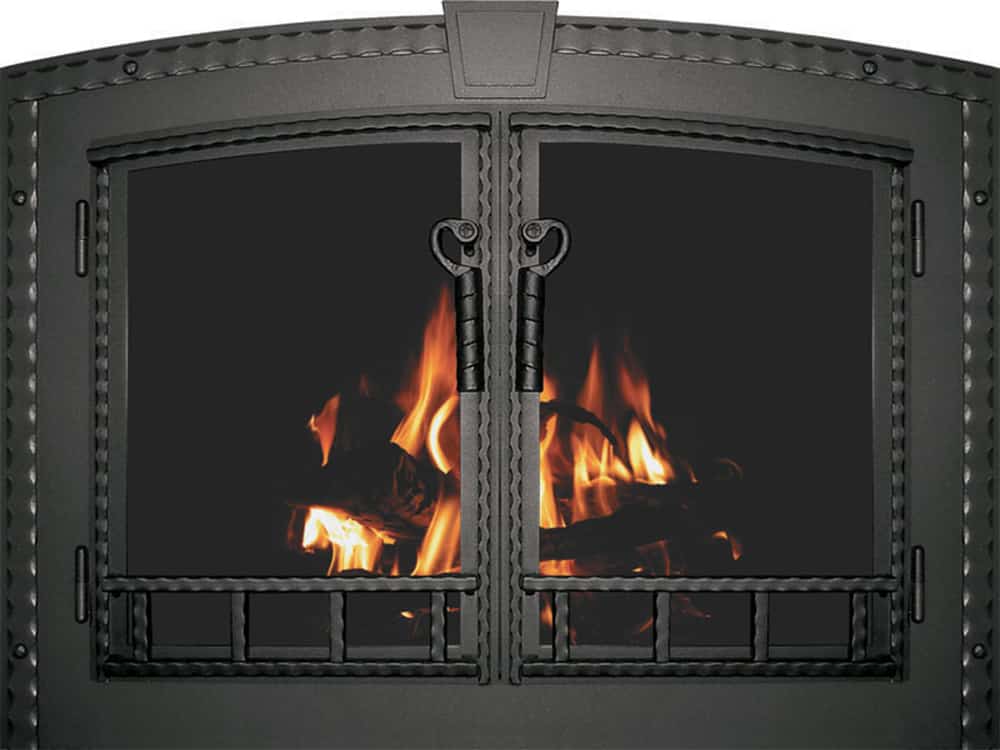
Fireplace Doors and Mantel Straps – Rustic – Living Room – Other
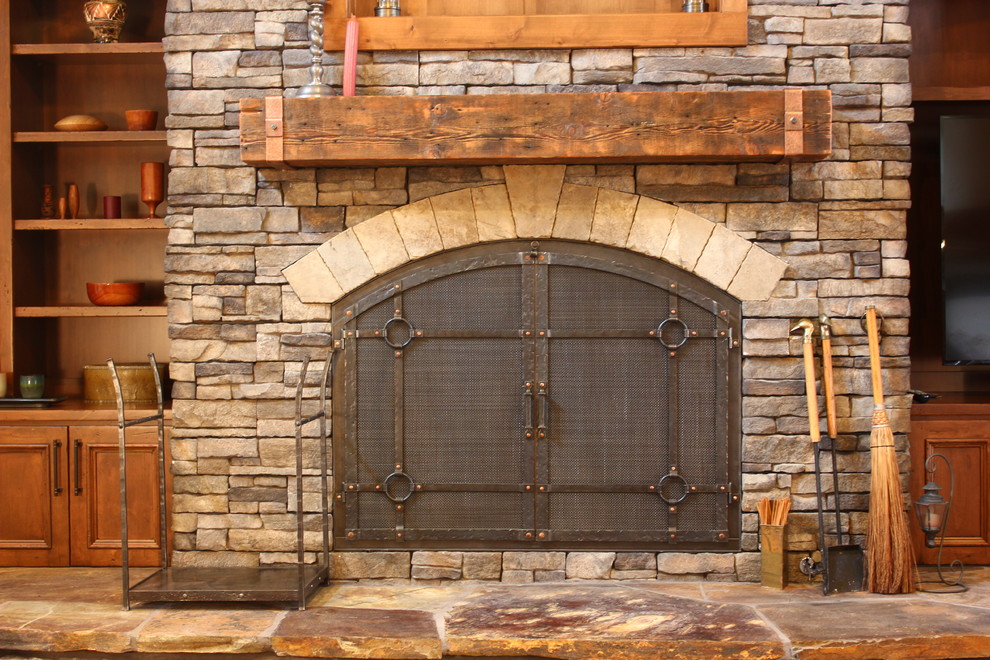
Brilliant fireplace glass doors kitchener on your favourite meals

Glass Fireplace Doors Stoll Industries Browse by Fireplace
Related Posts: