When I moved into my century-old apartment, I desperately missed the cozy fireplace from my childhood home. The lack of a chimney meant traditional fireplaces were impossible, but I refused to give up on creating that warm, inviting atmosphere I craved. After months of research and testing different options, I discovered vintage-style electric fireplaces and fell completely in love. Let me share everything I learned about choosing, installing, and enjoying these charming alternatives that brought the romance of a classic fireplace into my modern life.
Understanding Different Vintage Electric Fireplace Styles
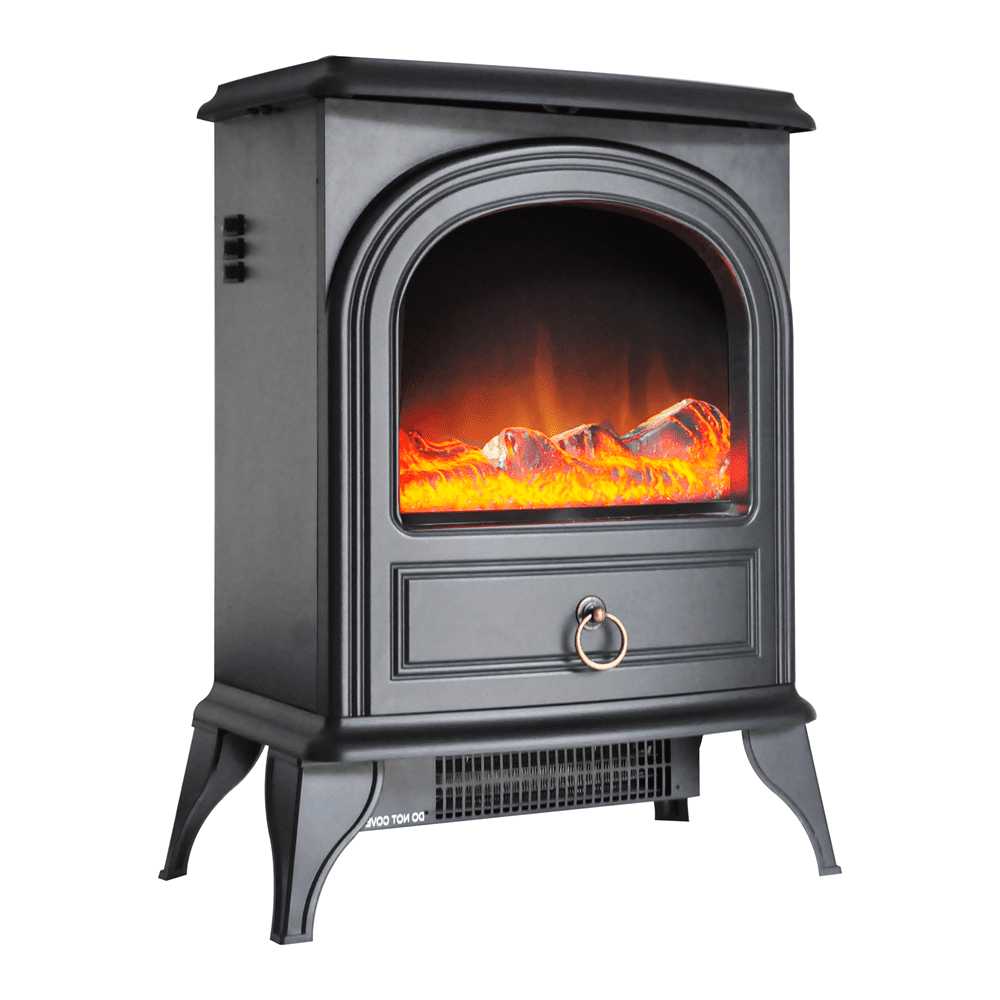
My exploration of vintage electric fireplace styles revealed an amazing variety of designs that captured different historical periods beautifully. Victorian-inspired models caught my attention first with their ornate cast-iron styling, decorative scrollwork, and rich finishes that mimicked antique coal stoves. These pieces brought immediate character to any room while providing the authentic vintage look I was seeking without requiring actual antique restoration.
Art Deco electric fireplaces offered a completely different aesthetic that appealed to my love of 1920s and 1930s design. The geometric patterns, sleek lines, and metallic finishes created sophisticated focal points that felt both vintage and surprisingly contemporary. I particularly loved models with stepped designs and sunburst motifs that captured the glamour and optimism of the Jazz Age perfectly.
Colonial and farmhouse styles provided rustic charm with their distressed finishes, simple lines, and traditional proportions. These models often featured realistic wood grain textures and weathered paint effects that made them look like genuine antique pieces. The authentic aging techniques used by quality manufacturers created convincing vintage patina that fooled even antique-loving friends who examined them closely.
Selecting the Right Size and Heat Output
Choosing the proper size for my vintage electric fireplace required balancing heating needs with visual proportions and available space. I learned that electric fireplaces are rated by square footage coverage, and my 400-square-foot living room needed a unit rated for at least that much space. However, I also discovered that oversized units can overwhelm smaller rooms, while undersized ones look lost in large spaces.
Heat output measurements in BTUs became crucial for understanding actual warming capacity. Most electric fireplaces produce between 4,000-5,000 BTUs, sufficient for supplemental heating but not primary heat sources in cold climates. I chose a unit with adjustable heat settings and a thermostat, allowing me to customize comfort levels and energy usage based on weather conditions and personal preferences.
The physical dimensions required careful measurement of my intended location, considering both floor space and ceiling height. I measured my room carefully and used painter’s tape to outline the fireplace footprint on the floor, helping me visualize how the unit would fit with existing furniture arrangements. This preparation prevented the disappointment of ordering something too large or small for my space.

Installation Options and Setup Considerations
Installing my vintage electric fireplace proved much simpler than I had anticipated, especially compared to traditional fireplace installation requirements. Most units simply plug into standard household outlets, though I learned that higher-wattage models may require dedicated 20-amp circuits for optimal performance. I had an electrician evaluate my existing wiring to ensure safe operation at full capacity.
Placement flexibility became one of my favorite advantages of electric fireplaces. Unlike gas or wood-burning units, I could position mine anywhere with adequate clearance from combustible materials. I experimented with different locations using cardboard mockups before settling on a spot that provided optimal heat distribution while creating the best visual impact in my room layout.
Ventilation requirements were refreshingly minimal compared to traditional fireplaces. I simply ensured adequate air circulation around the unit, keeping the recommended clearances from walls and furniture. The absence of chimney requirements, gas lines, or complex venting systems made installation a weekend project rather than a major renovation requiring multiple contractors and permits.

Flame Effects and Realistic Features
The quality of flame effects became the make-or-break factor in achieving a convincing vintage fireplace ambiance. I tested several models before finding one with LED technology that created realistic dancing flames with natural color variations. The best units offered multiple flame settings, allowing me to adjust intensity and patterns to match different moods and lighting conditions throughout the day.
Sound effects added unexpected authenticity to my vintage electric fireplace experience. Many quality models include crackling log sounds that enhance the cozy atmosphere significantly. I initially thought this feature might be gimmicky, but the subtle audio component really completed the sensory experience of having a real fireplace without any of the maintenance headaches or safety concerns.
The log sets and ember beds in vintage models showed impressive attention to detail and craftsmanship. Hand-painted ceramic logs with realistic bark textures and natural aging created convincing displays that looked authentic from normal viewing distances. Some models even featured glowing ember effects that simulated the deep red coals of a dying fire, adding another layer of realism to the overall presentation.

Energy Efficiency and Operating Costs
Understanding the energy consumption of my vintage electric fireplace helped me budget for operating costs and use it efficiently. Most units consume about 1,500 watts on the highest heat setting, similar to a space heater, costing roughly 15-20 cents per hour to operate based on average electricity rates. The ability to use flame effects without heat allowed me to enjoy ambiance year-round without energy costs.
Comparing operating expenses with other heating methods revealed electric fireplaces as reasonable supplemental heat sources. While not as efficient as natural gas for primary heating, they proved cost-effective for zone heating specific rooms. I saved money on my overall heating bills by warming only occupied spaces rather than heating my entire apartment when relaxing in the living room.
The thermostat controls and programmable timers on quality vintage models helped optimize energy usage automatically. I programmed mine to maintain comfortable temperatures during evening hours when I used the living room most, then automatically reduce output during sleeping hours. These smart features prevented energy waste while ensuring comfort when needed most.
Maintenance and Care for Longevity
Maintaining my vintage electric fireplace has proven remarkably simple compared to traditional fireplaces requiring chimney cleaning, ash removal, and regular inspections. Monthly dusting of the exterior and occasional cleaning of the glass front keep mine looking beautiful and operating efficiently. The absence of real combustion means no creosote buildup, smoke damage, or safety hazards associated with traditional fireplaces.
Filter maintenance became the most important regular task for optimal performance and longevity. I check and clean the intake filter monthly, removing dust and debris that could restrict airflow and reduce heating efficiency. The washable filters in quality units make this maintenance task simple and inexpensive, requiring only water and mild detergent for cleaning.
Annual professional inspections aren’t necessary for electric fireplaces, but I do examine electrical connections and test all functions at the beginning of each heating season. This simple check ensures everything operates safely and efficiently when I need it most. The solid-state construction and lack of moving parts in quality units mean minimal maintenance requirements compared to traditional heating appliances.

How much do quality vintage style electric fireplaces cost?
I paid $800 for my mid-range vintage model with realistic flame effects and good heating capacity. Basic units start around $300-400, while premium models with advanced features can cost $1,200-1,500. The investment pays off in convenience, safety, and the ability to enjoy fireplace ambiance anywhere without installation costs.
Can electric fireplaces provide enough heat for primary home heating?
Electric fireplaces work best as supplemental heat sources for specific rooms. Mine heats my 400-square-foot living room comfortably but wouldn’t handle whole-house heating efficiently. They’re perfect for zone heating, warming occupied spaces while reducing overall heating bills by not heating unused areas of your home.
Are vintage electric fireplaces safe to leave running unattended?
Quality units with safety features like automatic shutoff and overheat protection can run safely for extended periods. I often leave mine running while sleeping or away briefly, though I always turn it off when leaving home for extended periods. The lack of real flames eliminates many safety concerns associated with traditional fireplaces.
Do electric fireplaces look realistic enough to fool guests?
Modern LED flame technology in quality vintage units looks surprisingly convincing from normal viewing distances. Mine has fooled several visitors initially, though close examination reveals the artificial nature. The ambiance and warmth feel authentic even when you know it’s electric, providing the cozy atmosphere I wanted.

Can I use the flame effects without heat during summer months?
Absolutely! This became one of my favorite features. I enjoy the cozy ambiance of flickering flames year-round without adding unwanted heat during warm weather. The flame effects typically use minimal electricity, making summer operation very economical while maintaining the room’s focal point and atmosphere.
How long do vintage electric fireplaces typically last with regular use?
Quality units should last 10-15 years with proper maintenance. My two-year-old fireplace shows no signs of wear with daily use during heating season. The solid-state construction and lack of combustion mean fewer components to fail compared to traditional fireplaces. LED flame effects have much longer lifespans than older technologies.

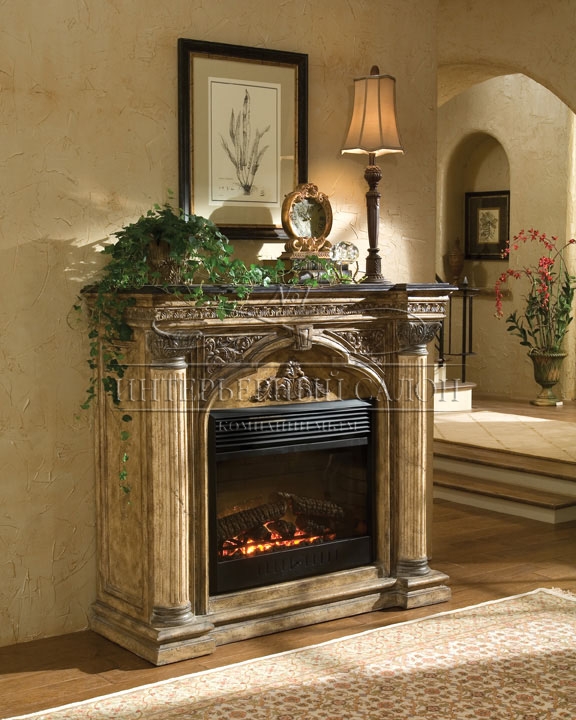
Windsor electric fireplace or insert

Ponca W Electric Stove
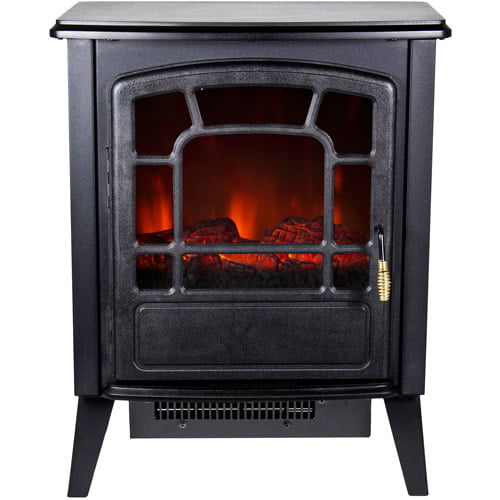
Warm House RSF-10324 Bern Retro-Style Floor Standing Electric Fireplace
Windsor electric fireplace or insert Electric fireplace

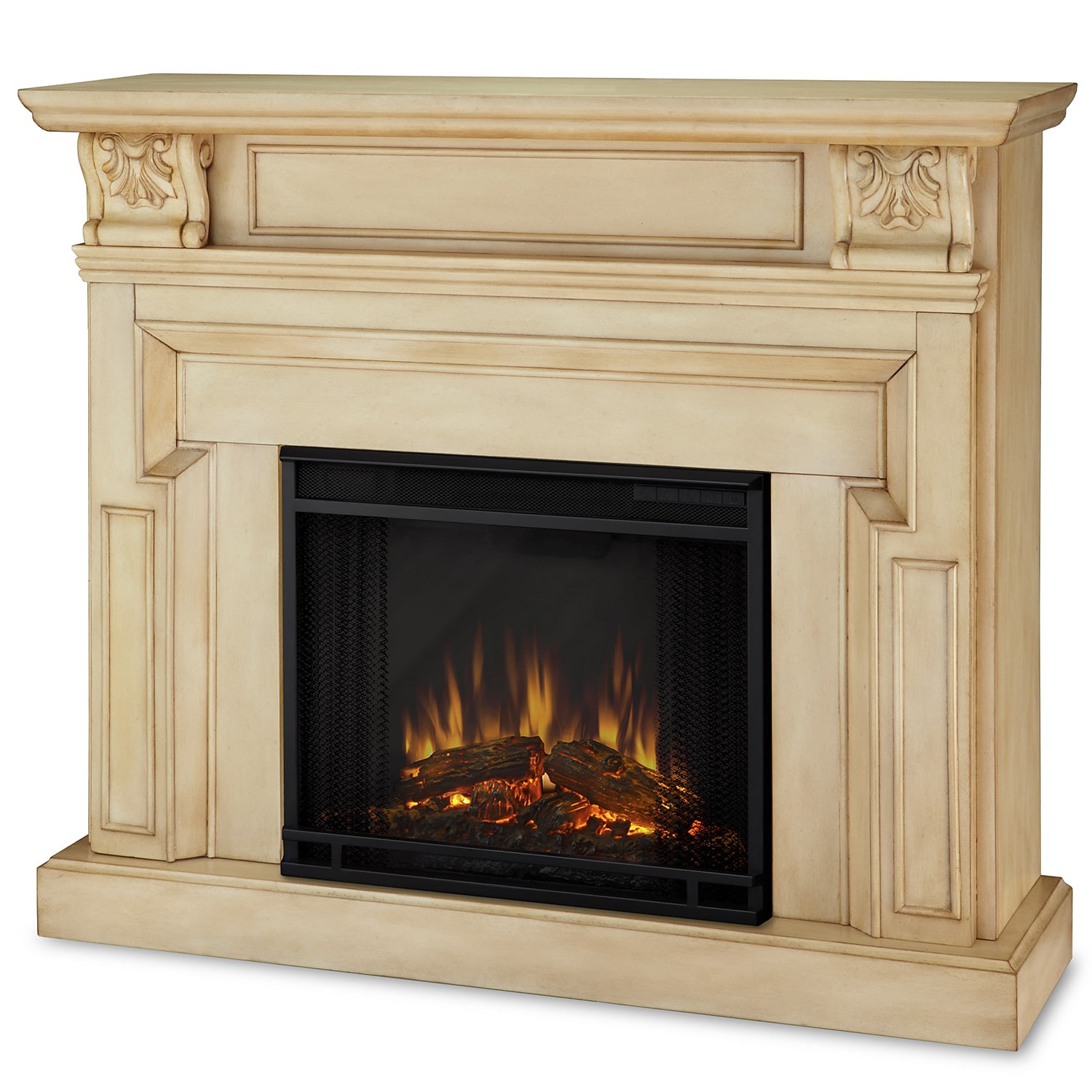
Antique White Electric Fireplace

Real Flame Kristine White Antique Electric Fireplace – Overstock
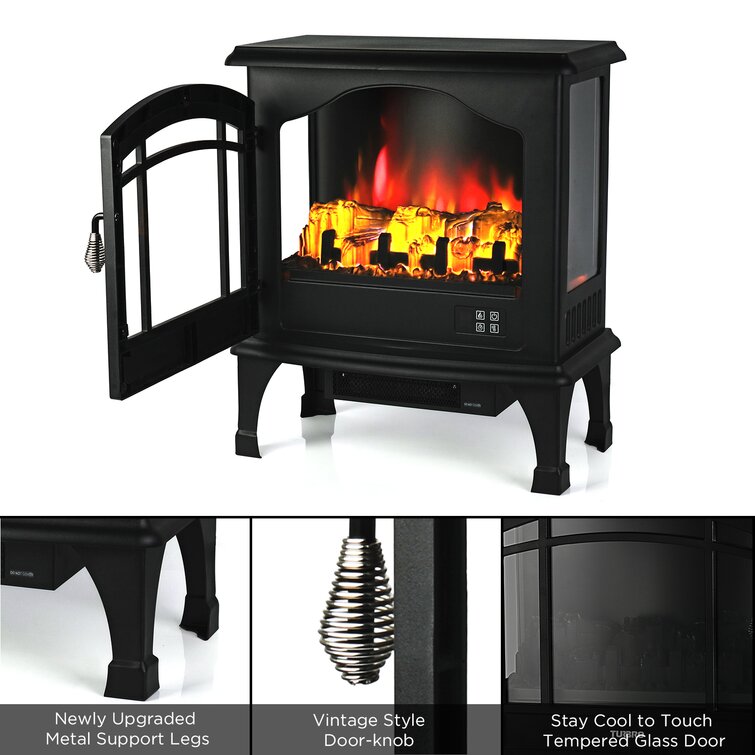
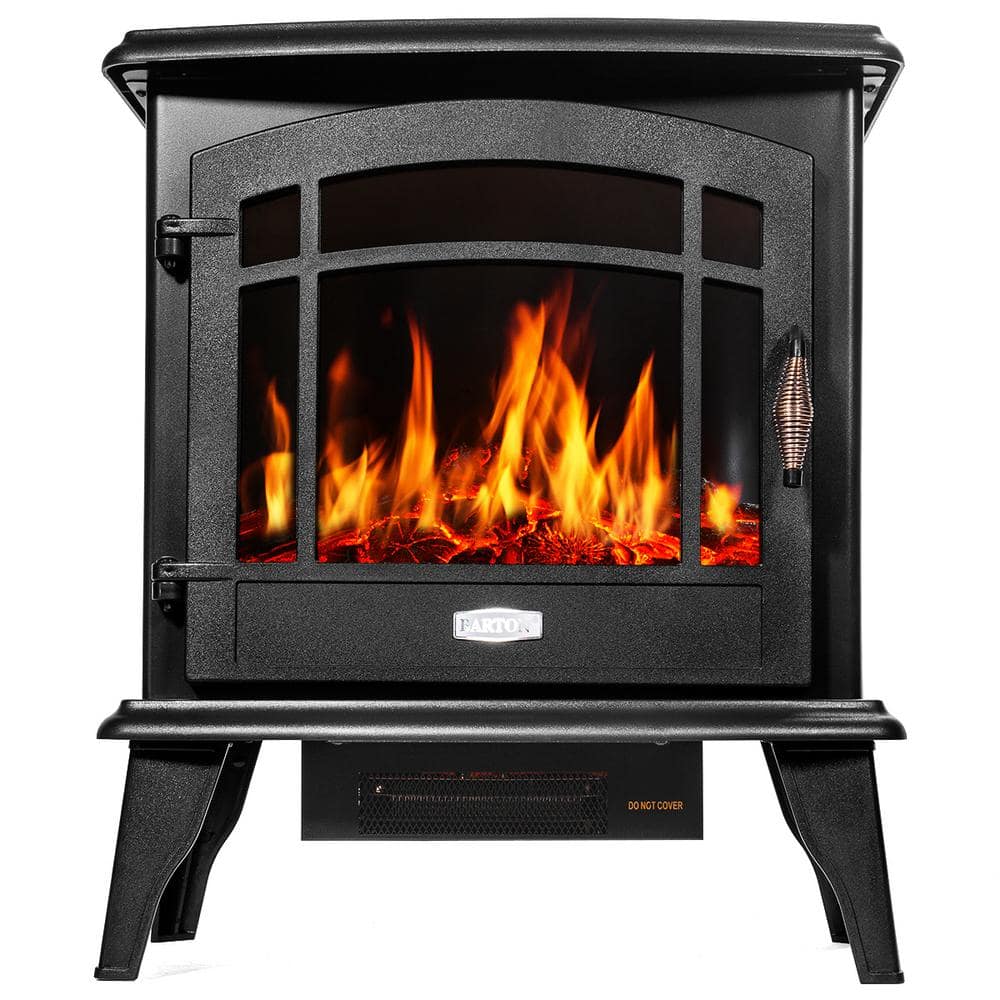
Barton 20 in. 1500-Watt Freestanding Compact Electric Infrared Quartz Fireplace Heater w/3-Sided Glass Panels in Vintage Black 95153
Related Posts:
- Rustic Electric Fireplace
- Vintage Style Electric Fireplace
- Electric Fireplace Mantel DIY
- Stone Wall Electric Fireplace
- Small Free Standing Electric Fireplace
- Electric Fireplaces White Finish
- Limestone Electric Fireplace
- Electric Fireplace Surround DIY
- Electric Fireplace With TV
- The Most Realistic Electric Fireplace