When I bought my 1930s colonial home, the living room felt incomplete despite its beautiful hardwood floors and tall windows. The fireplace was there, functional and lovely, but something was missing. That something turned out to be a vintage fireplace mantel shelf. What started as a simple weekend project evolved into a transformative experience that taught me about craftsmanship, history, and the profound impact a single piece can have on an entire room’s character and warmth.
Hunting for the Perfect Vintage Mantel Shelf
My search for the perfect vintage mantel shelf spanned numerous antique shops, estate sales, and online marketplaces over several months. I quickly learned that not all vintage mantels are created equal, and patience became my greatest ally. The key was understanding the difference between authentic period pieces and reproduction items, which required studying construction techniques, wood types, and hardware styles from different eras.
I discovered that architectural salvage yards were goldmines for authentic pieces with real character and history. These places often had mantels removed from demolished homes, complete with the patina and wear that only decades of use can create. The stories behind each piece fascinated me, from Victorian-era carved oak specimens to simple Depression-era pine shelves that spoke of modest elegance and practical beauty.
The measuring process became crucial as I learned that vintage mantels come in wildly different proportions compared to modern standards. My fireplace opening was 42 inches wide, but I found mantels ranging from 48 to 72 inches in length. I had to consider not just the fit, but how the proportions would look in my room. A too-small mantel would look lost, while an oversized one might overwhelm the space. I eventually found a 1920s chestnut piece that felt just right.
Installation Challenges and Creative Solutions
Installing my vintage mantel shelf presented unexpected challenges that tested both my DIY skills and patience. The biggest hurdle was dealing with walls that weren’t perfectly straight or level, a common issue in older homes. My beautiful 1920s mantel required shimming and creative mounting solutions to sit properly against the wall while maintaining its authentic appearance and structural integrity.
The weight of solid wood vintage mantels surprised me, requiring much more substantial mounting hardware than I initially anticipated. My chestnut shelf weighed nearly 60 pounds, demanding heavy-duty brackets and proper wall stud attachment. I learned that drywall anchors, even heavy-duty ones, simply wouldn’t suffice for this kind of load. Finding the studs and creating a secure mounting system became a weekend project in itself.
Working with aged wood presented its own set of challenges and learning opportunities. The decades-old finish needed careful restoration, and I discovered several loose joints that required wood glue and careful clamping. The patina was part of its charm, but I had to balance preservation with structural soundness. I ended up consulting with a local woodworker who specialized in antique restoration, and his guidance proved invaluable for maintaining authenticity while ensuring safety.

Restoration Process and Preserving Character
Restoring my vintage mantel shelf became an unexpectedly rewarding journey into the craftsmanship of bygone eras. The first step involved careful cleaning to remove decades of dust, smoke residue, and accumulated grime while preserving the original finish underneath. I used gentle wood cleaners and soft brushes, working in small sections to avoid damaging the aged patina that gave the piece its authentic character.
The refinishing process required a delicate balance between restoration and preservation. Some areas needed minor sanding to smooth rough spots and water stains, but I was careful to maintain the hand-tooled marks and slight imperfections that told the story of its age. I discovered that the original finish was shellac, common in pieces from the 1920s, which required specific restoration techniques to blend seamlessly with the existing surface.
Hardware restoration became another fascinating aspect of the project. The original wrought iron brackets and decorative elements had developed a beautiful rust patina over the decades. Rather than stripping them completely, I stabilized the rust with appropriate treatments and applied a protective coating that maintained their aged appearance. This approach preserved the authentic look while ensuring the hardware would continue to function properly for years to come.
Styling and Decorating My Vintage Mantel
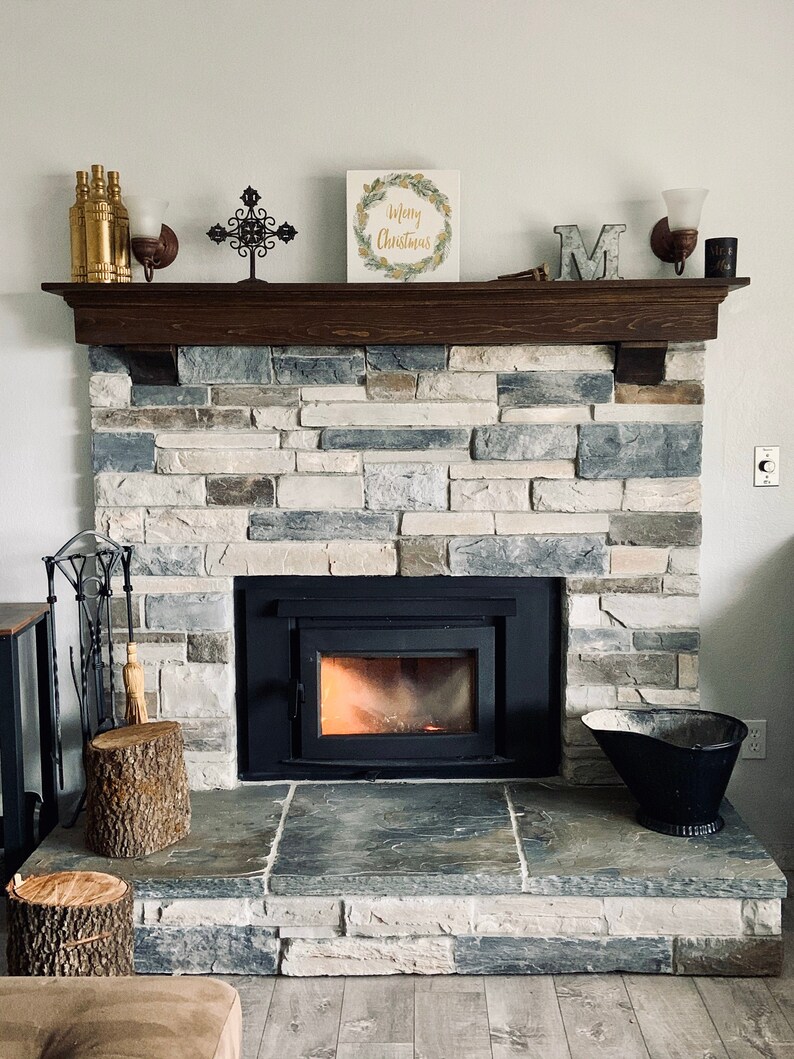
Decorating my newly installed vintage mantel shelf required learning about proportion, balance, and respecting the piece’s historical character while making it work in my contemporary lifestyle. I started by studying period-appropriate styling from the 1920s, looking at old photographs and magazine spreads to understand how people of that era arranged their mantelpieces for both functionality and visual appeal.
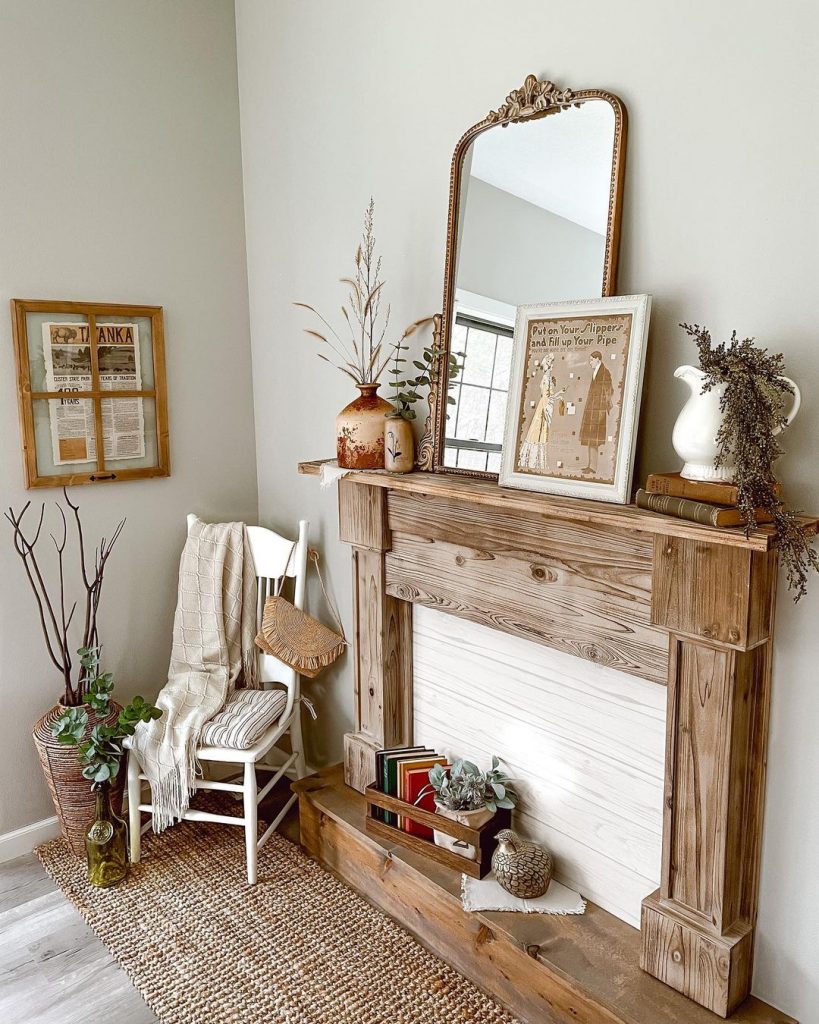
The layering technique became my go-to approach for creating visual interest without overwhelming the shelf’s natural beauty. I learned to mix heights and textures, combining tall candlesticks with shorter decorative objects, incorporating both matte and reflective surfaces to catch and play with light from the fireplace below. Family photographs in vintage frames became anchor pieces, while seasonal elements could be easily swapped to keep the display fresh and relevant.
Color coordination proved crucial for creating a cohesive look that honored the mantel’s vintage character while fitting my room’s overall design scheme. I discovered that the warm tones of the aged chestnut worked beautifully with brass accents, deep greens, and rich burgundies. White and cream elements provided contrast and prevented the display from becoming too heavy or dark. Fresh greenery and flowers added life and connected the vintage piece to my contemporary living space.
Maintenance and Long-Term Care
Maintaining my vintage mantel shelf has taught me valuable lessons about caring for antique wood furniture in a working fireplace environment. The combination of heat, humidity changes, and everyday dust requires consistent but gentle maintenance routines. I’ve learned to dust weekly with microfiber cloths and apply appropriate wood conditioner twice yearly to prevent cracking and maintain the wood’s natural flexibility.
Temperature fluctuations from fireplace use initially worried me, but I discovered that quality vintage mantels were designed to withstand these conditions. The key is gradual temperature changes and proper ventilation. I installed a small thermometer on the shelf to monitor heat levels and learned to adjust my fireplace use accordingly. Sudden extreme heat can cause cracking, so I always allow gradual warm-up periods.
The seasonal maintenance routine I’ve developed includes thorough cleaning before and after heavy fireplace use periods. This involves removing all decorative items, cleaning both the shelf and objects individually, and checking for any signs of damage or wear. I also rotate decorative items occasionally to prevent uneven fading or wear patterns. This systematic approach has kept my mantel looking beautiful and functioning perfectly for over five years now.
Impact on Home Value and Room Transformation
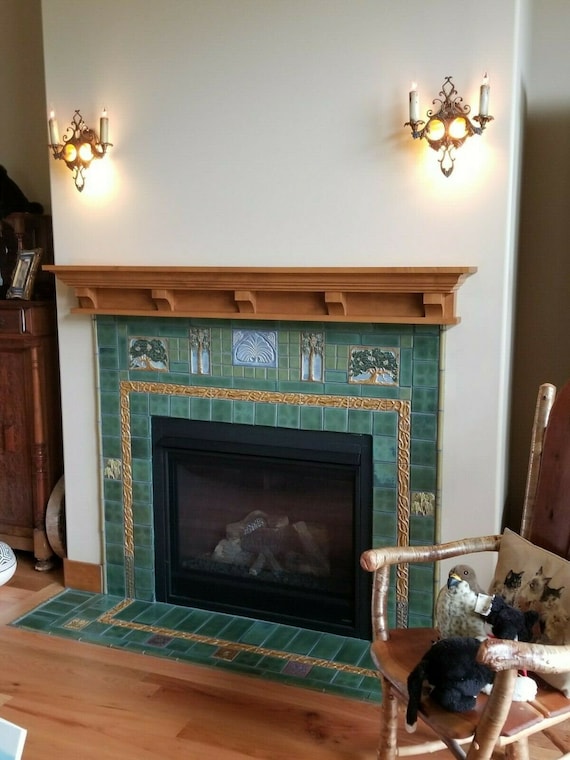
The transformation my vintage mantel shelf brought to my living room exceeded all expectations and has been one of the most impactful home improvements I’ve ever made. The room immediately felt more complete and sophisticated, with the mantel serving as a natural focal point that draws the eye and anchors the entire space. Guests consistently comment on its character and the warmth it brings to the room’s overall atmosphere.
From a practical standpoint, the mantel provided much-needed display space and storage for items I use regularly but want easily accessible. Holiday decorations, family photos, candles, and seasonal displays all have a proper home now. The functional aspects combined with its aesthetic appeal make it feel like a piece that truly earns its place in my home rather than just occupying space.
The impact on my home’s value became apparent when I had it appraised for refinancing purposes. The appraiser specifically mentioned the authentic period mantel as adding character and value that reproduction pieces simply cannot match. While I didn’t install it primarily for resale value, knowing that this beautiful, functional piece also represents a sound investment makes me appreciate it even more. The craftsmanship and history it brings to my home feel priceless.

How do I know if a vintage mantel is authentic or a reproduction?
Look for construction details like hand-cut joints, tool marks, and aged patina that develops naturally over decades. Reproductions often have machine-perfect cuts and artificially aged finishes. Check hardware for appropriate wear patterns and materials used in different eras. Trust your instincts about the piece’s overall character.
What’s a reasonable budget for a quality vintage mantel shelf?
I spent around $800 for my 1920s chestnut piece, including restoration materials. Prices vary widely based on age, condition, and rarity. Simple Depression-era mantels might cost $200-400, while elaborate Victorian pieces can reach $2000+. Factor in restoration costs and installation expenses when budgeting.

Can vintage mantels handle modern fireplace heat safely?
Yes, quality vintage mantels were designed for fireplace use, but proper installation and clearances are crucial. I maintain at least 6 inches above my fireplace opening and monitor temperatures during use. Gradual temperature changes prevent cracking. Consult local building codes for specific requirements in your area.
How do I determine the right size mantel for my fireplace?
Measure your fireplace opening width and add 6-12 inches on each side for proper proportion. Consider ceiling height and room scale. My 42-inch opening works perfectly with a 60-inch mantel. Too small looks lost, too large overwhelms. Visit showrooms to see different proportions in person before deciding.

What’s the best way to clean and maintain vintage wood mantels?
Dust weekly with microfiber cloths, avoiding harsh chemicals that can damage aged finishes. I use gentle wood cleaners twice yearly and apply appropriate conditioner to prevent cracking. Remove decorative items regularly for thorough cleaning. Avoid excessive moisture and sudden temperature changes.
Should I refinish my vintage mantel or preserve the original finish?
Preserve original finishes whenever possible, as they add authenticity and value. Clean gently first and assess actual damage versus surface dirt. Minor scratches and wear add character. Only refinish if the structure is compromised or damage is extensive. Consult restoration professionals for valuable pieces.

Hand Hewn Fireplace Mantel 8×8
Mantels Direct Bellamy 48″ Decorative Wood Fireplace Mantel Shelf in Vintage Ash

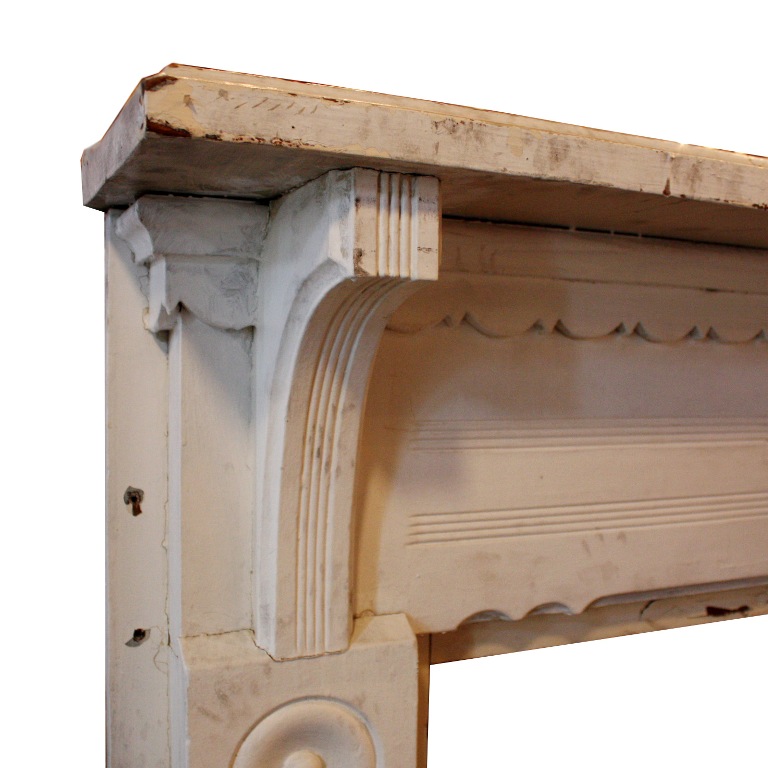
Antique Fireplace Mantels Salvaged from Nashville Home, c. 1890
Mantels Direct Colton 60″ Floating Wood Fireplace Mantel Shelf in

Related Posts: